Entertainment
Detroit’s Rose Estate Restored After Years of Neglect, New Owners Invest Over $2 Million
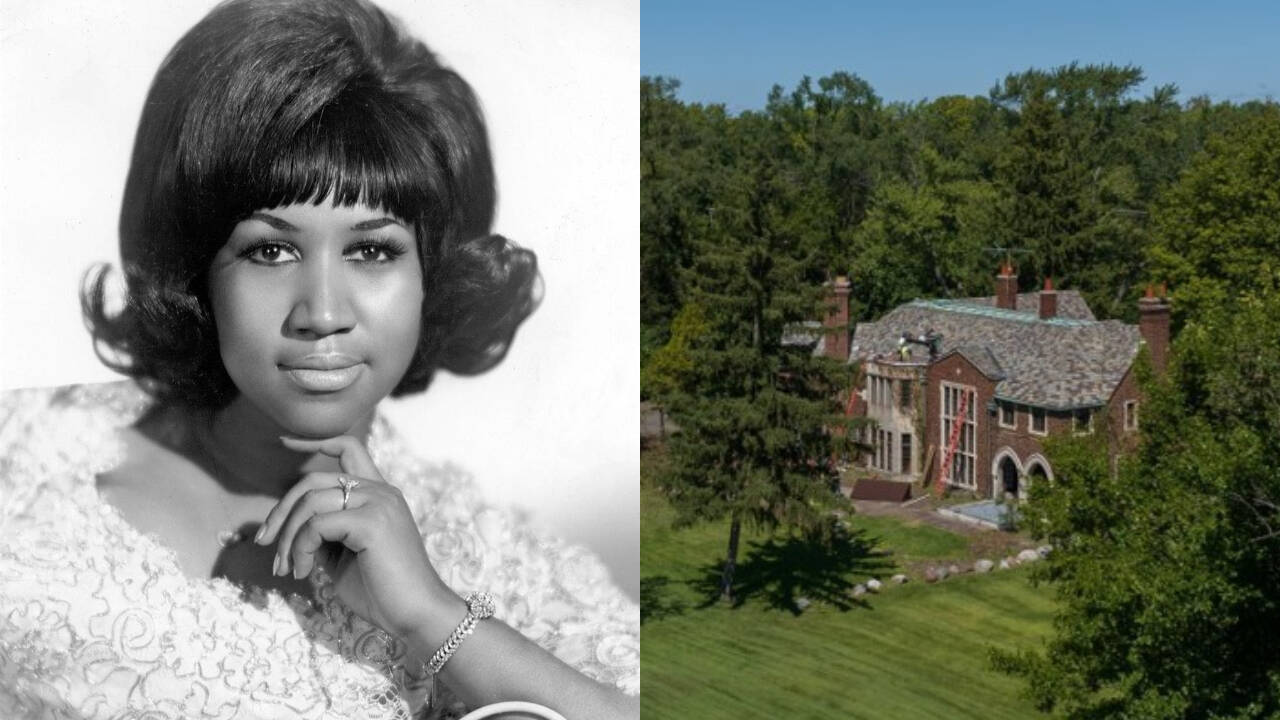
The Rose Estate, a 5,623‑square‑foot Tudor‑style mansion built in 1927 and located in Detroit’s Palmer Woods neighborhood overlooking the ninth hole of the Detroit Golf Club, has been revived by new owners Trevor Thomas and Brandon Lynum. The couple acquired the property in June 2023 and have spent more than $2 million on a restoration that began with preserving original features such as limestone‑framed windows, hardwood floors, decorative plasterwork and Detroit‑made Pewabic tiles. The project, involving nearly 50 contractors, craftsmen and workers, is planned to continue over the next five years, with additional work on the slate roof, third floor and basement.
The house was purchased by Aretha Franklin in March 1994, after it had been owned by portrait artist and feminist advocate Patricia Hill Burnett. Franklin used the home as a second residence and venue for entertaining, adding personal touches like gold sconces, a purple‑tinted chandelier and a red acrylic bathtub. As Franklin’s health declined, the property fell into disrepair; windows were boarded, water damage accumulated, and wildlife caused further damage. After Franklin’s death in 2018, her estate sold the house for $300,000 to a Michigan developer.
Thomas and Lynum researched the estate’s history through newspaper clippings, archival material at the University of Michigan and documents found in a concealed compartment in the library. They have also created displays honoring former residents, including photographs, a signed Andy Warhol print, outfits from the biopic *Respect* and a gold‑record plaque for Franklin’s 1998 album *A Rose Is Still a Rose*.
The restored Rose Estate now hosts nonprofit events, school groups and visitors drawn by Franklin’s legacy, offering a space that reflects her music, civil‑rights activism and commitment to women’s empowerment.
Frequently asked questions
Who currently owns the Rose Estate?
Trevor Thomas and Brandon Lynum
How much was invested in the restoration?
Over $2 million
What original features were preserved during the restoration?
Limestone‑framed windows, hardwood floors, decorative plasterwork and Pewabic tiles