World
Trump’s Deal‑Making Claims Tested by Iran, Ukraine, and Trade Conflicts
By Bhanu Pratap
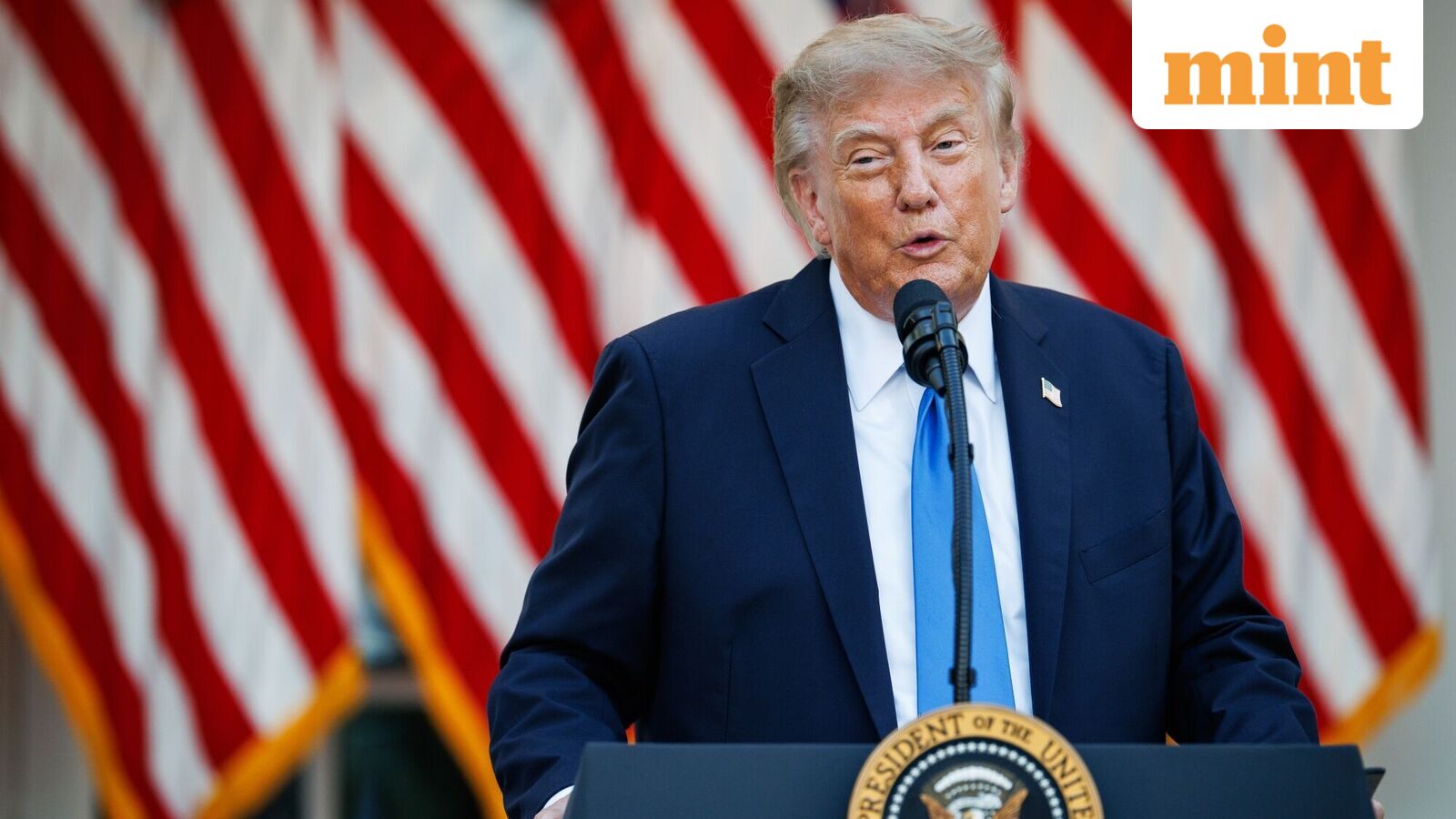
President Donald Trump built his political brand on the promise that he could strike deals that other politicians could not. He has repeatedly claimed he could end wars and reshape global trade through tariff threats, presenting himself as a negotiator who turns pressure into results. His reputation as a dealmaker dates back to before his political career. In 1982, shortly after Trump Tower opened, the then‑38‑year‑old developer said he could negotiate arms‑control agreements with the Soviet Union better than President Ronald Reagan. His 1987 book, *The Art of the Deal*, cemented that image, and the persona has remained central to his presidency.
The conflicts involving Iran and Russia, along with trade disputes triggered by his tariff policies, have highlighted the limits of that approach. Christopher Preble, a senior fellow at the Stimson Center, told the Associated Press that Trump is “not as good at this as he thinks he is.” Trump promised to end Russia’s war in Ukraine within a day, but the conflict continues. His handling of Iran has also drawn scrutiny. After projecting confidence in a swift outcome, he announced what he called a “great” ceasefire, which quickly faltered. His repeated assertions that Tehran was eager to negotiate have not consistently produced the outcomes he described.
Trade policy has presented another test. Trump argued that tariffs would give Washington leverage to secure favorable agreements. However, unilateral duties have fueled trade tensions, including with Canada, while raising costs for American businesses and consumers.
Trump’s negotiating style was shaped during decades in real estate, where aggressive bargaining and high‑risk ventures helped build his public profile. His business career also featured financial setbacks, bankruptcies, and legal disputes involving contractors, business partners, and creditors. Marty Latz, a negotiation expert and author of *The Real Trump Deal*, told the AP that Trump had secured some successful agreements but also experienced major failures. Barbara Res, a former Trump Organization executive responsible for construction, argued that Trump’s personal pride could complicate negotiations. “He could be a better negotiator if his ego didn’t get in the way,” Res said, according to the AP.
Trump’s preference for presenting negotiations as contests with winners and losers can project resolve, but diplomacy often requires compromise, sustained engagement, and confidence that commitments will be honored—conditions that can be difficult to establish through threats alone.
The 2004 debut of *The Apprentice* gave Trump’s business persona a fresh platform. The reality television show portrayed him as a decisive executive who evaluated contestants and controlled the boardroom, reinforcing an image that later became central to his presidential campaigns. Tim O’Brien, author of *TrumpNation: The Art of Being The Donald*, told the AP that unpredictability was central to Trump’s negotiating style. “If he’s the one causing the chaos, he’s often the only one who can end it,” O’Brien said. Trump outlined his approach in *The Art of the Deal*: “I aim very high, and then I just keep pushing and pushing and pushing to get what I’m after.” Such tactics can create leverage, but they can also harden opposition when counterparts refuse to yield.
The White House has defended Trump’s record, citing trade agreements and investment commitments as evidence of his negotiating abilities. Trump’s supporters also point to the Abraham Accords, negotiated during his first term, as a significant diplomatic achievement. His business career involved extensive litigation. Latz has argued that legal disputes could serve as bargaining tools to pressure counterparties or reduce financial liabilities, according to the AP.
Bhanu Pratap is a journalist who reports and writes on foreign affairs, India’s foreign policy, geopolitics and strategic affairs. He closely follows diplomatic developments in New Delhi and has a keen interest in defense and national security. Bhanu also focuses on in‑depth, interview‑based reports and regularly speaks with experts and policymakers to bring perspectives and context to major developments around the world. He is interested in stories with strong humanitarian angles. One such report examined the cases of Indian nationals who were allegedly recruited and forced into Russia’s war against Ukraine. While reporting the story, Bhanu spoke to the families of those affected and documented their experiences. The report was later taken into account by the United Nations in its findings on human rights violations linked to the war in Ukraine.
For Bhanu, the zeal to produce meaningful and impactful journalism remains at the heart of his work. He has previously worked with Firstpost, NDTV, Newslaundry and Republic. Bhanu studied at the Delhi School of Journalism, University of Delhi. He initially chose science with plans to pursue engineering, influenced by conventional expectations, but fate led him to journalism. Beyond the newsroom, Bhanu enjoys exploring culture and history and often spends his days off on heritage walks. He is also passionate about traveling, biking and listening to folk music. For tips, reviews and suggestions, you can reach him at bhanu.pratap@htdigital.in.
Frequently asked questions
What did Trump claim about negotiating arms‑control agreements with the Soviet Union?
In 1982, Trump said he could negotiate arms‑control agreements with the Soviet Union better than President Ronald Reagan.
What was Trump’s promise regarding Russia’s war in Ukraine?
Trump promised to end Russia’s war in Ukraine within a day, but the conflict continues.
How did Trump’s tariff policies affect trade with Canada?
Unilateral duties fueled trade tensions with Canada, raising costs for American businesses and consumers.