World
Falkland Islands Face New Economic Pressure from Argentina After 44 Years
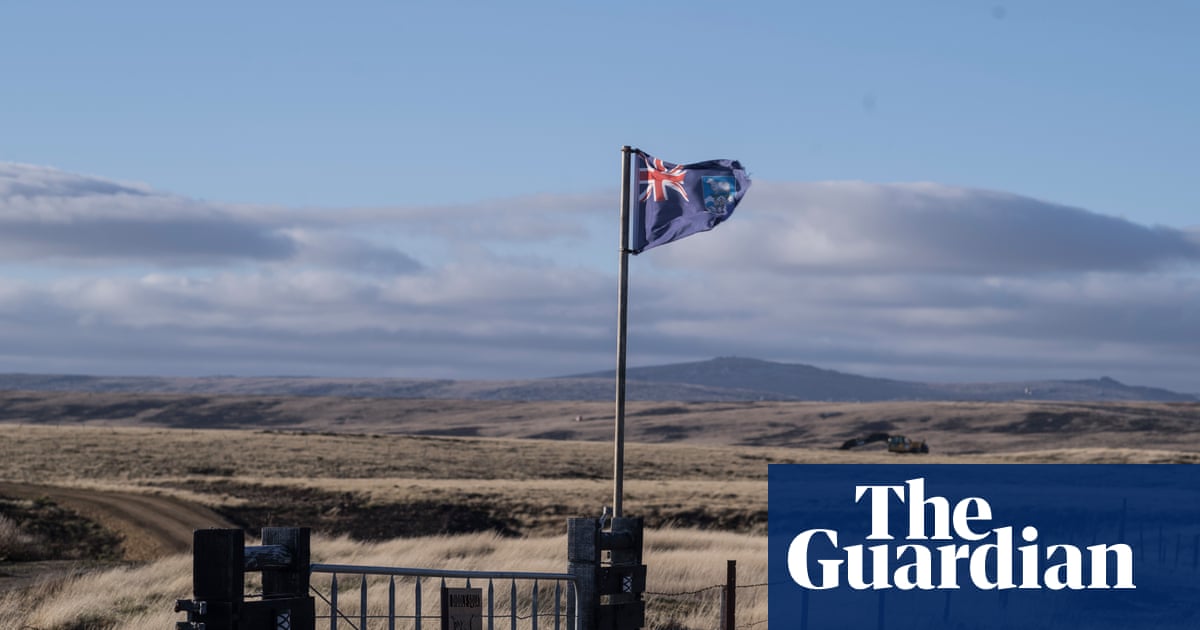
In a session of the Falkland Islands Legislative Assembly, a dozen local residents and a uniformed military police officer took seats at the back of the wood‑panelled courtroom. The meeting, held in Stanley harbour, began with the assembly’s eight members—five men and one woman—waiting at desks and microphones while a young man in headphones transmitted the session to the islands’ 778 residents. The governor, Rex Hunt, had warned 44 years ago that the islands could not turn back from an Argentine invasion.
Assembly member Lewis Clifton announced that Argentina was waging an unprecedented economic war against the Falklands, a community of about 4,000 people. He said the Argentine threat now feels more belligerent than it did in 1982, potentially threatening the islands’ economic development. Argentina’s president, Javier Milei, has criminalised companies and individuals involved in the Falklands’ nascent oil industry and has suggested that the fisheries sector could be next.
The UK’s military presence at Mount Pleasant airbase—1,800 personnel, four Typhoon jets, a ground‑based air defence system, and HMS Medway patrolling the waters—makes a direct military threat from Argentina largely hypothetical. However, Buenos Aires has launched a full‑spectrum economic attack. In response, UK officials, including Andy Burnham and Foreign Secretary Ed Miliband, reaffirmed the UK’s solidarity with the islands’ desire to remain British and promised legislation to protect against financial damage from Argentine sanctions. Interpol received a request from the UK Foreign Office to reject an Argentine request for arrests related to the dispute.
The Falklands have grown from a 1,800‑person, wool‑centric economy in 1982 to a self‑reliant community of about 70 nationalities, attracted by a 26 % top tax rate and good pay. The islands’ gross domestic product per capita rose from about £2,000 in 1982 to £85,000 in 2025, placing the Falklands sixth in the world league table, just behind Norway. The fishing industry, especially squid, has been transformational, with licences sold to fleets of Spanish, Korean and Taiwanese vessels. The tourism sector also contributes, with 75,000 or more cruise‑ship passengers arriving each year.
Chief executive James Wallace of Fortuna, the largest fishing company, noted that squid catches are variable and declining, prompting in‑shore research. Another key resource is offshore oil. The Sea Lion project, led by Israeli firm Navitas and British partner Rockhopper Exploration, could triple the islands’ GDP and create a sovereign wealth fund. Two major contractors recently withdrew from the project.
Falkland government chief executive Andrea Clausen, who was 10 at the time of the 1982 invasion, expressed frustration with Argentine actions. She recalled the trauma of the invasion and the ongoing impact on the islands’ residents. Clausen said the islands have become financially independent since 1982, save for defence, and that oil could provide further security.
The islands’ population of 4,000 people has historically been resilient. Assembly member Dot Gould described the islands as “minding our own business” and noted the presence of Argentine fighter jet remains and graves of airmen. The islands rely on a narrow range of freight links from the UK and South America for fresh produce, and shortages have occurred in the past.
Education is largely provided by the UK; children from age 16 can complete secondary and university education in the UK. The islands’ director of education, Sarah Stannard, said that if oil money becomes available, primary schools could be rebuilt.
The Falklands’ identity is described as “British with a twist,” with residents valuing resourcefulness and resilience. The islands continue to face the psychological impact of the 1982 war, with some residents expressing fear of another invasion. The UK remains committed to supporting the Falklands against Argentine economic pressure.
Frequently asked questions
What economic sectors are threatened by Argentina's actions?
Argentina has criminalised companies and individuals involved in the Falklands' nascent oil industry and has suggested that the fisheries sector could be next.
How has the Falklands' GDP per capita changed since 1982?
It rose from about £2,000 in 1982 to £85,000 in 2025, placing the Falklands sixth in the world league table.
What measures has the UK taken to support the Falklands against Argentine economic pressure?
UK officials Andy Burnham and Foreign Secretary Ed Miliband reaffirmed solidarity, promised legislation to protect against financial damage from Argentine sanctions, and Interpol received a request from the UK Foreign Office to reject an Argentine request for arrests related to the dispute.