World
Gaza Prices Surge as Israel Halts Commercial Shipments
By Maram Humaid
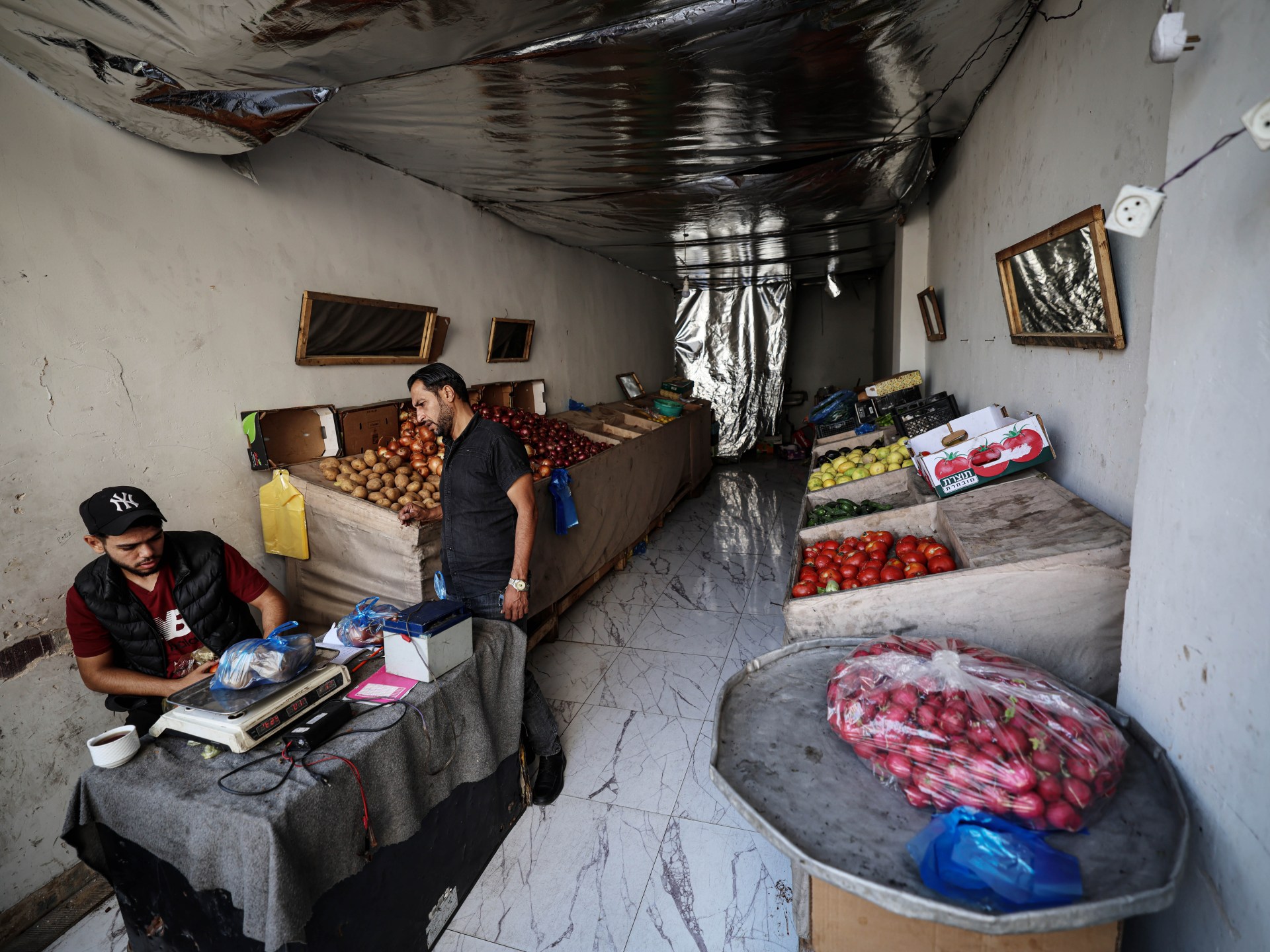
Prices of basic goods in Gaza are rising daily after Israel stopped commercial shipments on Wednesday, the fifth consecutive day of restrictions. Residents in Gaza City and other parts of the enclave are stockpiling items they can still find, fearing further shortages and price hikes if the border remains closed.
The cost of staples such as flour, eggs, onions, and avocados has sharply increased since the halt. Ismail al‑Barawi, 52, from Jabalia, noted that a carton of eggs that once cost 35 shekels ($11.34) now sells for 60–70 shekels ($18–$21). A kilogram of onions rose from 5–6 shekels ($1.50–$1.80) to 8–10 shekels ($2.40–$3), and a kilogram of avocados jumped from 7–8 shekels ($2.10–$2.40) to about 15 shekels ($4.50). Al‑Barawi said these increases occurred in just two or three days and warned that if the crossings stay closed for another 10–15 days, prices could rise even further.
Al‑Barawi, who supplies food for his extended family of 11–12 people, now buys smaller quantities of items. He predicts that a 50‑kg sack of flour could cost 200–300 shekels ($60–$90) if the closures continue. He also highlighted the difficulty of storing perishable goods and the impact of unreliable electricity on meat storage.
The Gaza Government Media Office rejected Israel’s explanation that the suspension was due to taxes or government fees on commercial trucks. The office said the 10,000‑shekel ($3,242) amount cited by Israel was linked to a voluntary community fund for vulnerable families and that a 30‑percent cash‑transaction rate had been introduced with the Chamber of Commerce to address cash liquidity issues. The office accused Israel of using the dispute to impose further restrictions on supplies, calling on mediators and international parties to push for the entry of 600 trucks a day, as per existing agreements.
The United Nations Office for the Coordination of Humanitarian Affairs (OCHA) reported that food prices in Gaza in September 2026 averaged 204 percent above pre‑October 2023 levels, when the war began and restrictions tightened. OCHA’s October 2 situation report documented the wider humanitarian pressures facing residents.
Displaced 50‑year‑old Iman Atallah from Beit Lahiya said the suspension of food deliveries has revived memories of the 2025 man‑made famine. She noted that a sack of flour, once priced at 25–35 shekels ($7.50–$10.50), now costs about 80 shekels ($24). With limited income, her family can only afford rice, lentils, and a small amount of bread, often skipping breakfast or dinner. She said that if the crossings remain closed for 10–15 days, everything will become extremely expensive, and those without money will have to watch.
Both al‑Barawi and Atallah emphasized that many families in Gaza cannot afford to stock up and that continued restrictions would worsen the humanitarian and economic crisis in the enclave.
Frequently asked questions
Which staple goods have seen price increases in Gaza after the shipment halt?
Flour, eggs, onions, and avocados have sharply increased.
How much has the price of a carton of eggs risen?
From 35 shekels ($11.34) to 60–70 shekels ($18–$21) within two or three days.
What is the Gaza Government Media Office's response to Israel's explanation for the shipment suspension?
They rejected Israel's claim, stating the 10,000‑shekel amount was a voluntary community fund and that a 30‑percent cash‑transaction rate was introduced to address liquidity, accusing Israel of using the dispute to impose further restrictions.