World
Paris Faces 1,800 Arrests as Student Protests Turn Violent
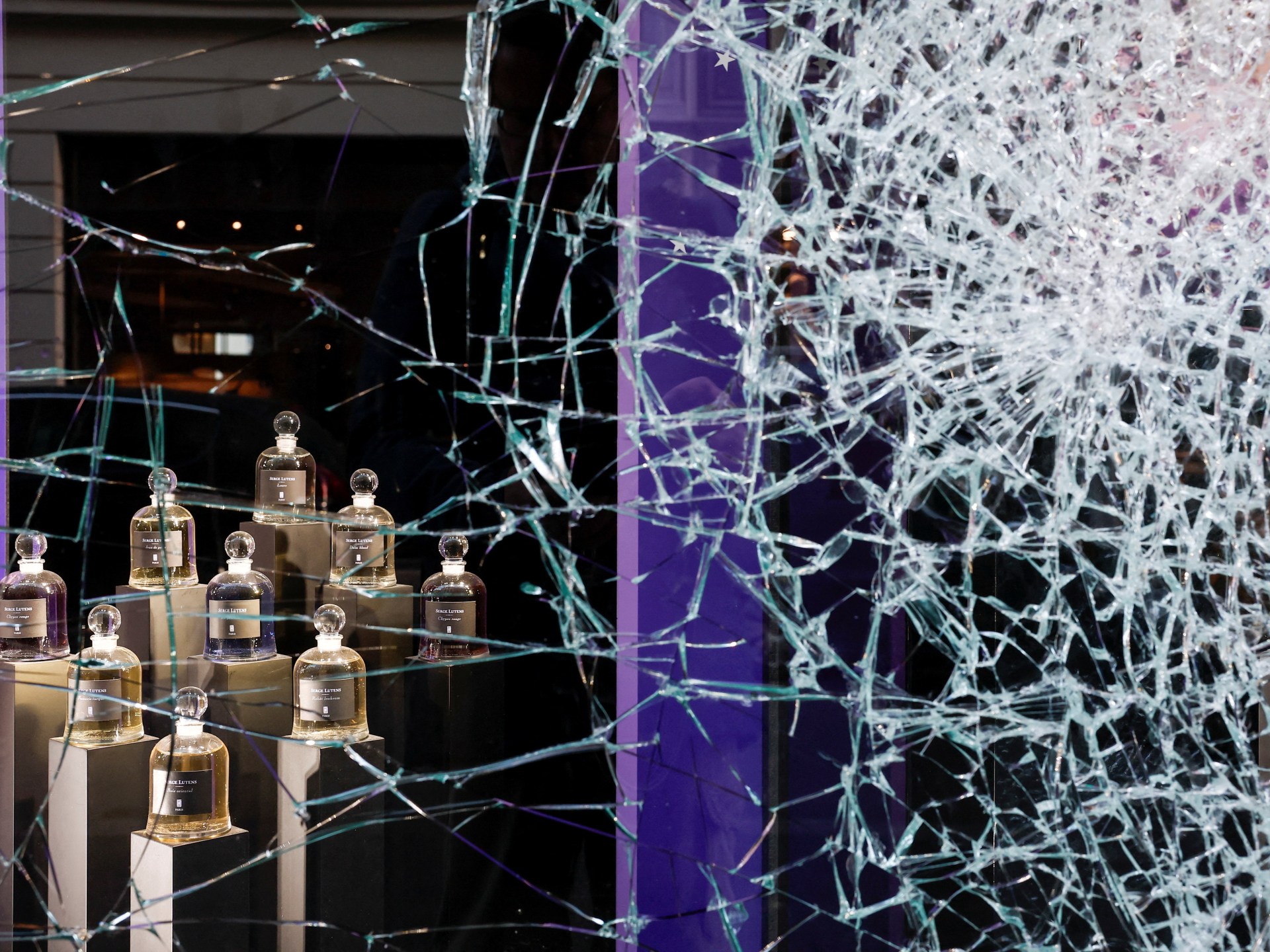
Paris, France – France is assessing the damage after a day of unrest that saw hundreds of thousands of people take to the streets nationwide, the largest mobilisation since protests over education reforms and the cost of living began last month. At Place de la Republique, residents surveyed the destruction from the previous day, noting smashed windows, gutted buildings and looted shops. "I find it unacceptable – absolutely unacceptable," said Rabah, a long‑time Paris resident. "Back in the day, we also demonstrated, but peacefully," he added. 56‑year‑old Claire expressed her anger, saying, "I love Paris so much, and seeing it like this makes me furious. It’s absolutely appalling. I’m actually quite overcome with emotion." The statue of Marianne was covered in graffiti, including the inscription, "Those who sow misery reap anger." The student‑led protests began in mid‑September over grievances such as overcrowded classrooms, teacher shortages, systemic inequality and a lack of opportunity. The movement spread from schoolyards to the streets, tapping into broader social and economic anxieties. Saturday’s mobilisation drew a nationwide turnout of 550,000 people, according to authorities; unions and organisers estimated 800,000. While most demonstrators remained peaceful, violent unrest threatened to eclipse their message. In Paris, police used tear gas and stun grenades, including before the march began, setting a tense tone for the day. "I marched from the 10th arrondissement town hall to Place de Clichy. I was there from start to finish, and it was very peaceful – just all kinds of people, all of them non‑violent," said 23‑year‑old student Stephanie. "But once again, the violence was so spectacular that the actual message – the reasons behind the protesters’ grievances – was never conveyed," she said. French President Emmanuel Macron, whose second and final term ends next year, will address the nation at 18:00 GMT after meeting government ministers. Interior Minister Laurent Nunez said nearly 1,800 people had been arrested – almost half in Paris – and more than 500 police officers, gendarmes and firefighters were injured. "Protesting is a fundamental right. Causing disorder through violence and in a concerted manner is not," he said. Al Jazeera observed groups of black‑clad, masked young men smashing shop windows with golf clubs before fleeing with stolen goods. In Marseille, dozens of shops were looted and a group broke into the city hall before being forced out. "Students and others have real claims they want to air which no one is listening to now because idiots are smashing everything," said Mayor Benoit Payan. In Limoges, footage showed flames engulfing the city hall as the fire spread through the historic building. Public buildings were also damaged in Bordeaux and other cities. France’s police inspectorate, the IGPN, had opened 36 investigations into alleged police violence since the high‑school protests began, according to figures released by the Ministry of the Interior on 13 October. Human rights lawyers described some injuries as comparable to those seen in conflict zones, including a minor who lost a hand, another with a smashed jaw and a third pupil who lost sight in one eye. "There is an increasingly systematic use of crowd‑control measures that would normally be reserved for much more serious situations," said Christophe Calvao, president of the Paris Young Lawyers’ Union. "This only serves to inflame tensions and make people even angrier." The government now faces the challenge of responding to widespread social discontent while trying to pass a budget aimed at bringing France’s public finances under control. Prime Minister Sebastien Lecornu wants to reduce the country’s deficit through spending restraint and tax measures – a move that will likely deepen public anger. Cuts to France’s generous welfare system have traditionally faced strong public resistance. All of this occurs in a highly toxic political environment as parties harden their positions ahead of next year’s presidential election. Jean‑Luc Melenchon, leader of the left‑wing France Unbowed party and potential presidential contender, accused the government of fuelling the unrest. "In Paris, aberrant leadership has opened the door to chaos. Those in charge no longer know what to do; the rank and file are afraid and are running wild," he said. Lecornu responded, "This is YOUR political responsibility," on social media, accusing far‑left groups of orchestrating the violence.
Frequently asked questions
How many arrests were made during the protests?
Nearly 1,800 people were arrested, almost half in Paris.
What was the estimated turnout for the Saturday mobilisation?
Authorities reported 550,000 participants nationwide; unions and organisers estimated 800,000.
What injuries were reported among protest participants?
Human rights lawyers described injuries including a minor who lost a hand, another with a smashed jaw, and a third pupil who lost sight in one eye.