Agriculture
Southern Indiana Farm Reverses Erosion to Protect Rare Salamander Habitat
By Ravi Hari
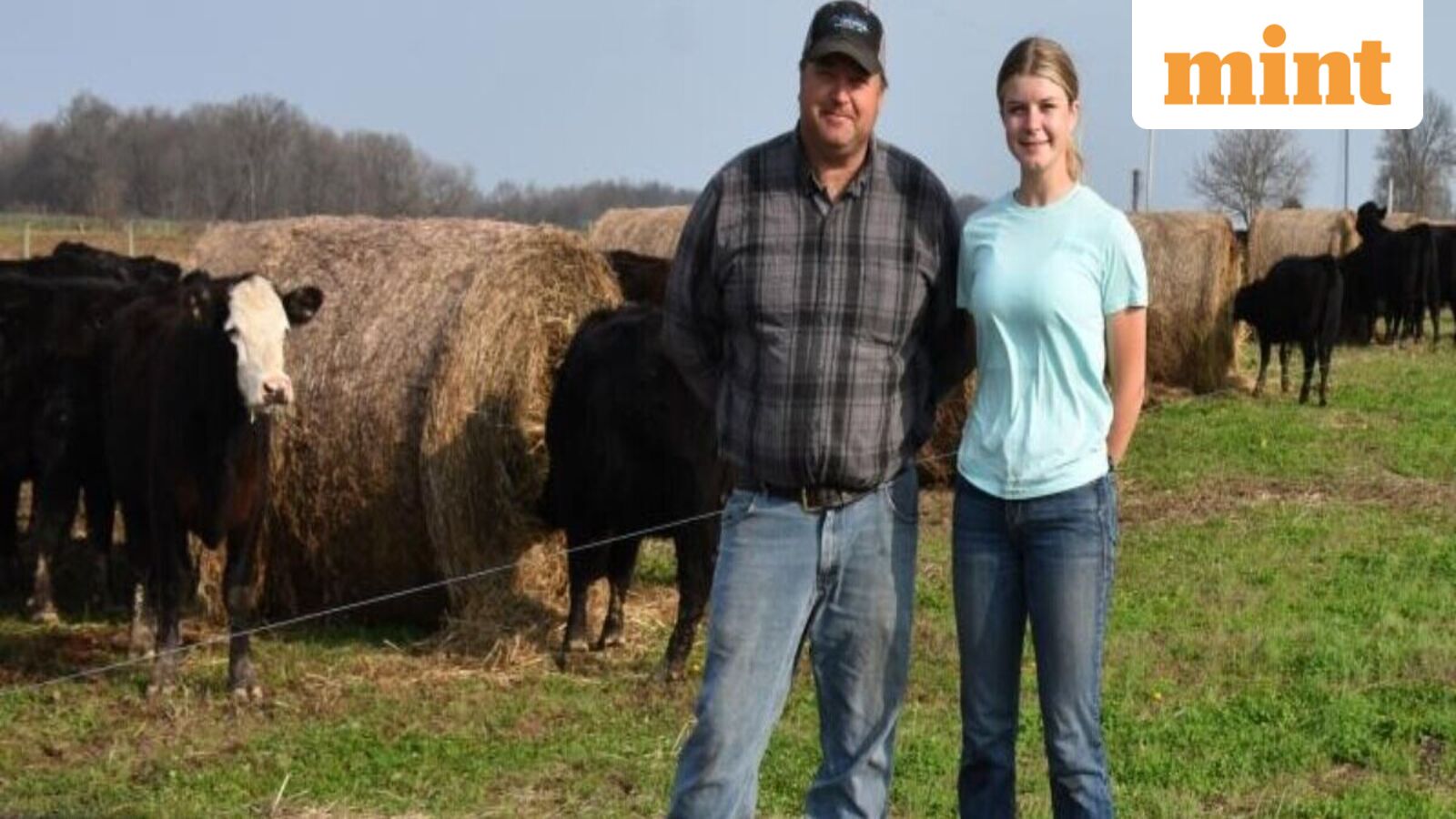
A family farm in southern Indiana is reversing severe erosion through conservation practices that improve soil health, cut agricultural runoff, and protect the habitat of the Eastern Hellbender, an aquatic salamander that requires clean, oxygen‑rich water. The Shireman family’s experience, highlighted by the U.S. Department of Agriculture’s Natural Resources Conservation Service (NRCS), shows how targeted conservation programs can help farmers address long‑standing environmental challenges while supporting wildlife and sustainable agriculture.
The farm, managed by Ben Shireman and his family, had suffered years of severe erosion under continuous row cropping by a previous owner. Deep gullies cut through fields, and depleted soils, low crop yields and high input costs made the operation increasingly difficult to sustain. "We were running a 100‑bushel corn average and not really making anything," Ben said. "We knew we had to do something."
Heavy rainfall washed soil between sinkhole basins across a watershed spanning nearly 800 acres, worsening erosion on the property. The family responded by shifting toward livestock integration and adopting conservation practices aimed at rebuilding soil health rather than relying on fertilizers to compensate for lost topsoil.
The Shiremans worked with NRCS conservation specialists and initially received assistance through the Environmental Quality Incentives Program (EQIP). They later accessed funding through the Farmers Helping Hellbenders Regional Conservation Partnership Program (RCPP) to expand their conservation efforts. The RCPP brings together federal, state and local partners to address resource concerns in targeted areas, including watersheds that influence the Eastern Hellbender’s habitat. By directing assistance toward specific geographic priorities, the program supports conservation measures that might otherwise be financially difficult for farmers to implement.
With the support, the family introduced cover crops, pasture plantings, filter strips and nutrient management measures. Fencing enabled rotational grazing, improving pasture health and preventing livestock from overusing individual areas. The family also adopted bale grazing systems to support soil improvement. For 17‑year‑old Lily Shireman, the changes required tackling the underlying causes of land degradation. "We needed to rip off the Band‑Aid and start treating the actual wound, not just keep it covered," she said.
The benefits extend beyond the farm. Although the property has no visible streams, it lies in an area characterized by karst topography, where water can travel quickly through sinkholes and underground channels before reaching waterways such as the Blue River. According to the conservation program’s coordinator, Eliza Hudson, farming practices can affect water quality even when surface water is not visible on the land. Excess sediment can cover the rocky streambeds needed by Eastern Hellbenders, while nutrient runoff can degrade aquatic ecosystems. By reducing erosion and managing nutrients, the Shiremans’ conservation measures can help protect these habitats. "It may not look like it’s directly tied to water quality because we don’t see the surface waters," Hudson said, explaining that the combined effect of conservation practices contributes to improved water quality.
The family has reported reduced erosion, more resilient pastures and lower reliance on commercial fertilizers as organic matter builds up in the soil. Wildlife has also begun returning, with the family reporting sightings of quail. Lily credited NRCS staff and program partners with providing the technical guidance and financial assistance needed to implement the changes. Ben hopes other farmers will explore similar support, allowing them to improve their land and pass on healthier farms to future generations. "I want somebody else to utilize it, to learn and then we can all grow together," he said.