World
Pakistan Scores 25.5 on 2026 Global Hunger Index, Ranking 106th of 122 Countries
By Swati Gandhi
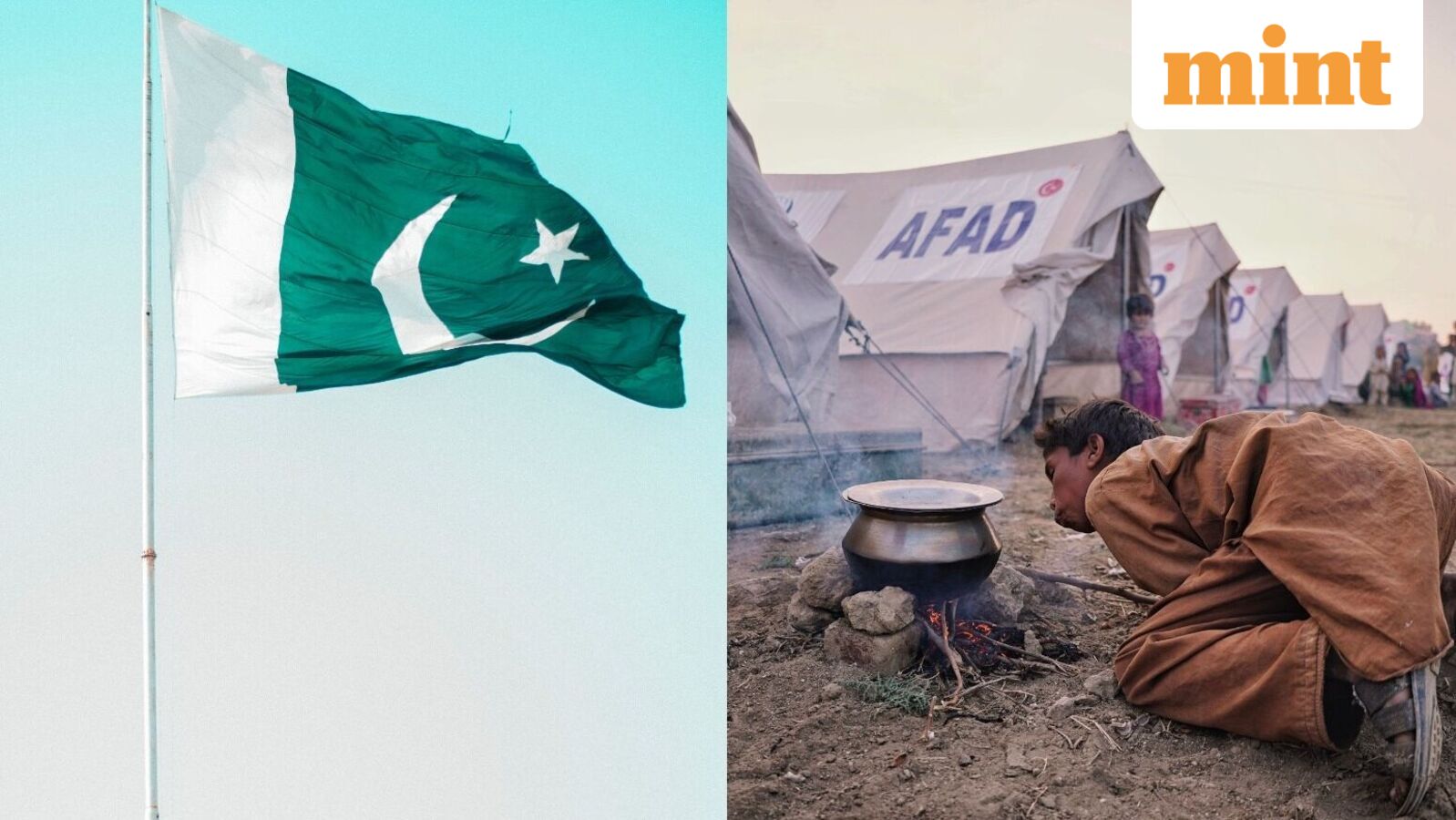
Pakistan ranked 106th out of 122 countries on the 2026 Global Hunger Index (GHI) with a score of 25.5, placing it in the "serious" hunger category. The report, released earlier this week, was published jointly by Welthungerhilfe, the Institute for International Law of Peace and Armed Conflict at Ruhr University Bochum, and the Swiss organisation Helvetas under the theme "No Security Without Food Security." It highlighted a worsening food security crisis driven by economic instability, climate shocks and global conflicts. The report also revealed that progress in South Asia had largely stalled, with conditions in both Pakistan and Afghanistan worsening since 2018. Afghanistan ranked 108th, with a score of 28.6.
The GHI is calculated using four component indicators: 1. Undernourishment – the share of the population whose caloric intake is insufficient. In Pakistan, 16.1% of the population is undernourished. 2. Child stunting – the share of children under five who are too short for their age, reflecting chronic undernutrition. In Pakistan, 33.6% of children in this age group are stunted. 3. Child wasting – the share of children under five who weigh too little for their height, reflecting acute undernutrition. In Pakistan, 9.8% of children in this age group are wasted. 4. Child mortality – the proportion of children who die before their fifth birthday, reflecting, in part, the combined effects of inadequate nutrition and unhealthy environments. Pakistan’s under‑five mortality rate stands at 5.6%.
GHI scores below 10 indicate low hunger, 10–19.9 moderate, 20–34.9 serious, 35–49.9 alarming, and 50 or above extremely alarming. Economic hardship and rising food prices have eroded purchasing power in Pakistan, making adequate nutrition unaffordable for many families. Extreme weather has also disrupted food production across the region. Floods and heavy rains damaged crops in parts of Pakistan and Bangladesh, while Afghanistan’s 2026 cereal‑growing season suffered from low rainfall and unusually high temperatures, potentially extending periods of acute food insecurity.
Pakistan’s hunger classification has improved from "alarming" to "serious" since 2000, but recent trends show setbacks in undernourishment and child wasting. Undernourishment fell from about 20% in 2000 to around 11% in 2018, then rose to roughly 16% in 2026, moving from the low to medium category. Child wasting declined from approximately 14% in 2000 to 7% in 2018, then rose to nearly 10% in the latest report, close to the high‑category threshold. Child stunting decreased from around 40% in 2000 to about 34% in 2026, but remains very high. Under‑five mortality declined steadily from roughly 11% to around 6% over the same period.
South Asia’s regional score of 23.5 places it in the serious hunger category. The region’s score has declined substantially from an alarming 37.5 in 2000, but most of that progress occurred before 2018. The Food and Agriculture Organisation estimates that 218 million people across South Asia, including Iran, faced undernourishment during 2023–2025, accounting for about a third of the worldwide total. Globally, hunger is worsening again after almost two decades of improvement. The global GHI score rose from 17.6 in 2018 to 18.1 in 2026. Since 2018, hunger has worsened in 32 countries, while 57 countries are projected to fall short of reaching even the low‑hunger category by 2030.
Frequently asked questions
What was Pakistan's GHI score in 2026?
Pakistan's score on the 2026 Global Hunger Index was 25.5.
Which hunger category does Pakistan belong to on the 2026 GHI?
Pakistan falls into the serious hunger category on the 2026 GHI.
What percentage of Pakistan's population is undernourished according to the 2026 GHI?
16.1% of Pakistan's population is undernourished.