Politics
Republican $1 billion War Chest Struggles to Shift Midterm Polls
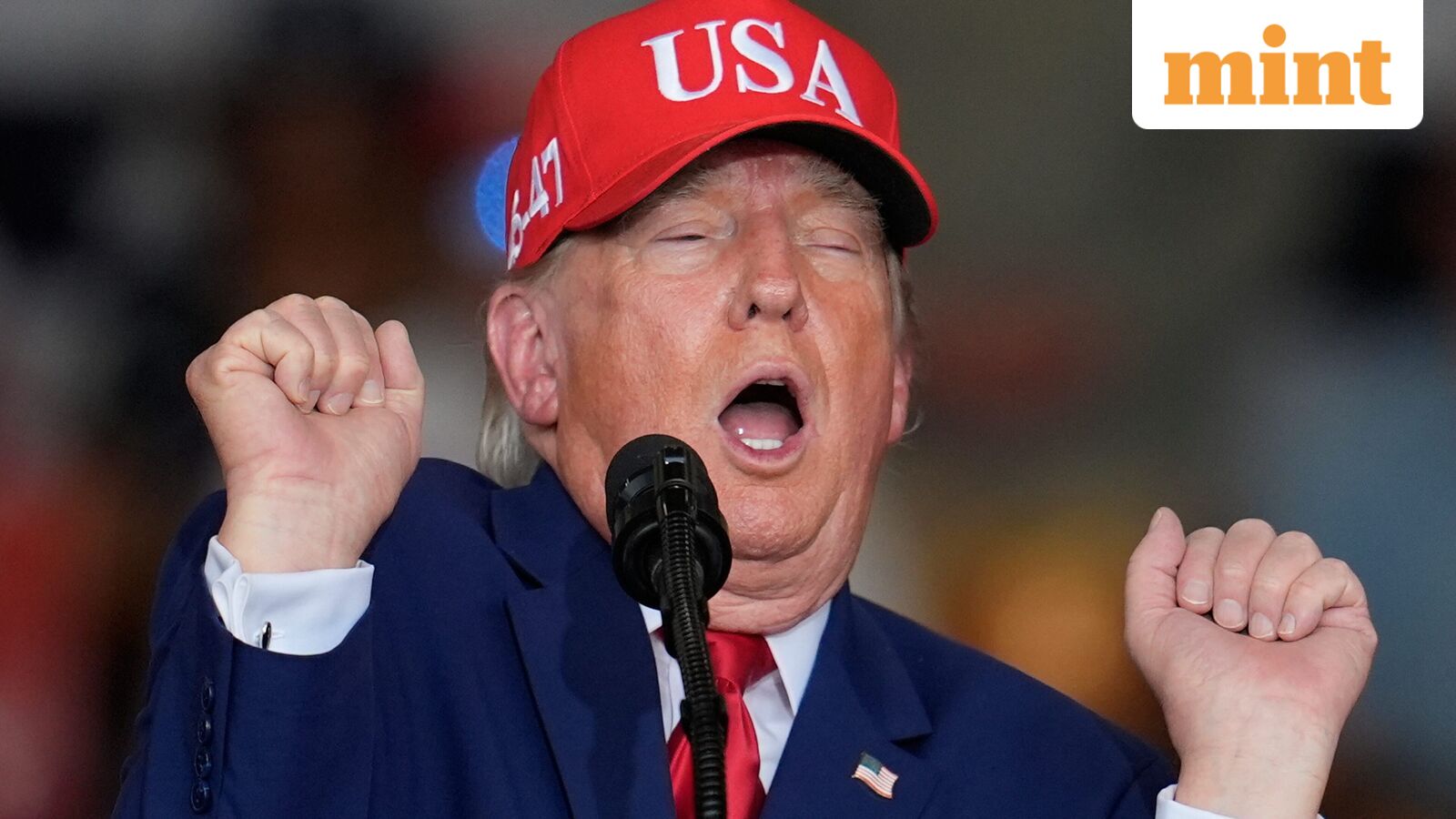
Republican groups poured more than $740 million into congressional races between Labor Day and October 14, with at least $220 million coming from groups linked to former President Donald Trump, according to a CNBC analysis of AdImpact data. Billionaire Elon Musk has donated over $276 million to Republican groups since July, including $158 million to the Senate Leadership Fund super‑PAC and more than $76 million to his America PAC; his total federal political contributions this cycle are roughly $366 million.
The party entered the final stretch with about $1 billion available, compared with $579 million for comparable Democratic groups, per a CNBC review of Federal Election Commission filings. Despite this financial lead, Democrats still lead in several competitive Senate races, and the Cook Political Report, with Amy Walter, favors Democrats in a House flip and a competitive Senate.
Neil Newhouse, partner at Republican polling firm Public Opinion Strategies, said, “Money is an amplifier, not a magic wand. You can buy all the airtime in the world, but if the political climate is blowing 30 miles an hour in your face, ad volume alone isn’t going to turn the weather around.”
Republican spending has not translated into proportionate advertising exposure. Across nine key Senate battlegrounds, Republicans outspent Democrats on broadcast television by 26% through September 30 but secured only 7% more ad airings, CNBC reported. Hilary Braseth, executive director of OpenSecrets, noted the unprecedented concentration and scale of political influence this cycle.
Late spending and higher advertising costs have limited the effectiveness of the Republican cash advantage. Candidates receive broadcasters’ lowest unit rates during the final 60 days before a general election, while outside groups such as super‑PACs do not enjoy the same protection. In Texas, Democrat James Talarico continued to lead Republican Ken Paxton despite more than $113 million in negative advertising targeting Talarico since the primary.
Michael Beckel, money‑in‑politics reform director at Issue One, said repeated exposure may be delivering diminishing returns: “When an undecided voter has already seen 20 negative ads today, the 21st ad doesn’t persuade them. It just gets tuned out.”
Republicans argue that spending has helped prevent vulnerable candidates from falling further behind. In Texas, the party spent $121.5 million on the Senate race in September, compared with just $5.5 million over the previous three months. A Republican operative involved in the Texas Senate race, who requested anonymity, said, “The spending hasn’t put Paxton ahead, but it kept a messy race and flawed candidate from becoming an unwinnable one.”
The clearest indication of Republican difficulties is the shift toward defensive spending. Since September 1, the Senate Leadership Fund and affiliated groups have spent or committed roughly $180 million across three states that Trump carried by double digits in 2024. Beckel said outside groups were “diverting millions into deep‑red territory to build defensive moats, leaving pickup opportunities starved for cash in the final stretch.”
In North Carolina, the Senate Leadership Fund initially pledged $71 million to back Republican Michael Whatley. On October 2, the group pulled most of its remaining ad reservations after spending about $32.8 million, as Democrat Roy Cooper continued to hold a double‑digit lead in FiftyPlusOne’s polling average. The same strategy is unfolding in the House, where the Congressional Leadership Fund has withdrawn support from two vulnerable Republican incumbents and shelved efforts to flip two Democratic‑held seats.
The redirection points to the central problem facing Republicans: a financial advantage that once promised to expand their electoral opportunities is now being used to limit potential losses.
Frequently asked questions
How much did Republican groups spend on congressional races between Labor Day and October 14?
More than $740 million.
How much has Elon Musk donated to Republican groups since July?
Over $276 million, including $158 million to the Senate Leadership Fund super‑PAC and more than $76 million to his America PAC.
By how much did Republicans outspend Democrats on broadcast television through September 30?
Republicans outspent Democrats by 26%.