World
Israeli Raids in Southern Syria Leave Residents in Fear and Uncertainty
By Heidi Pett
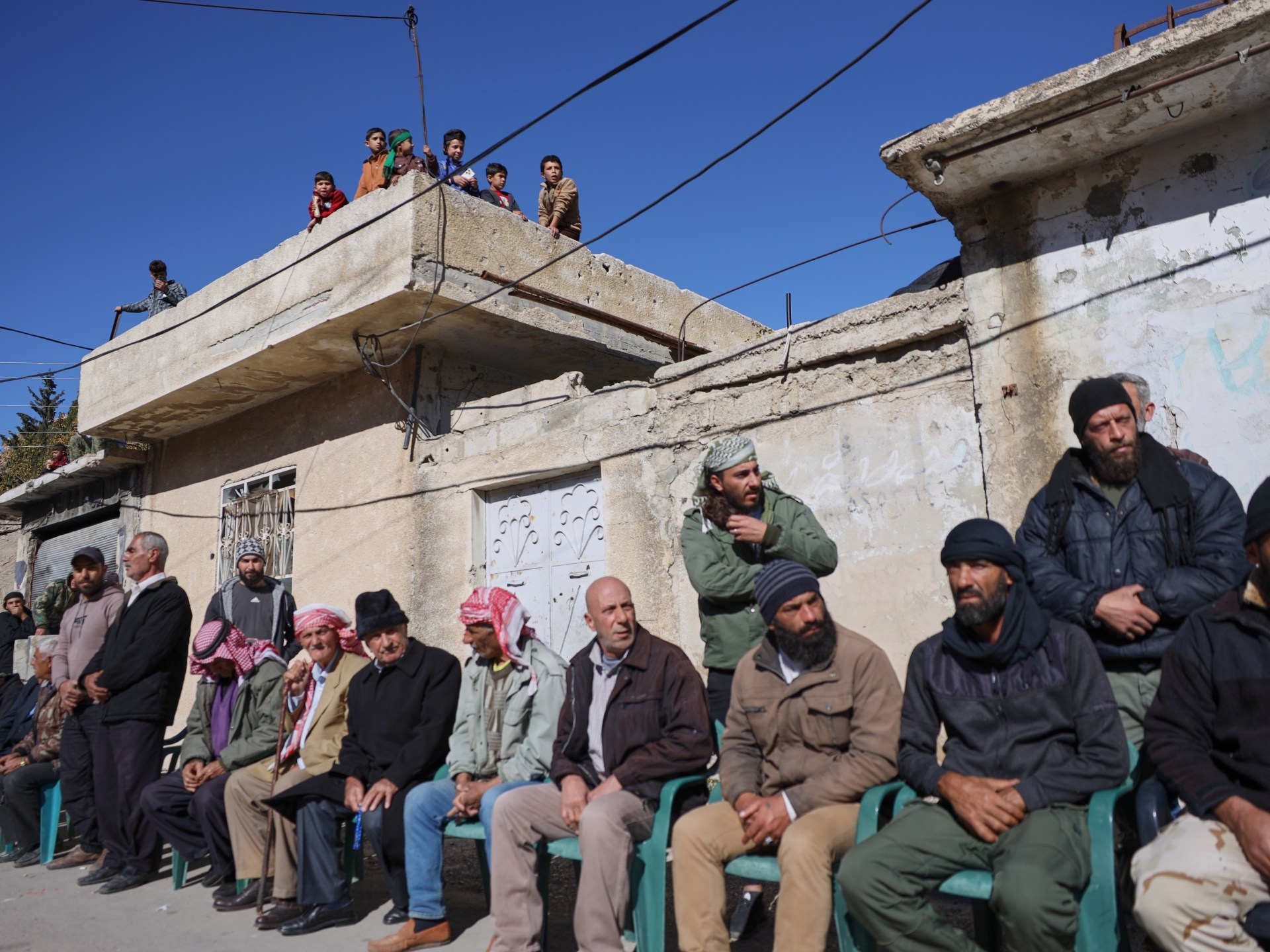
In Qatana, a village in southern Syria, Ahmed recounts being arrested at a checkpoint set up by the Israeli military on his street. He was asked for his name and village, then taken to Israel where he spent more than a year in detention. Ahmed describes being handcuffed for 90 days, thrown to the floor, beaten with sticks while restrained, and having his cuffs tightened until they caused severe swelling and loss of sensation. After his release this month, a crowd gathered outside his home to celebrate and to seek information about other missing relatives. Al Jazeera reports that at least 51 Syrians remain detained in Israel, many in the former Sde Teiman military prison and now in facilities run by the Israel Prison Service, including Ofer, al‑Jalama (Kishon) and Megiddo. A small number have been released.
Mahmoud, a pseudonym, was home for nine days when Al Jazeera interviewed him. He says he feels unstable and sometimes “crazy” at night, and that he cannot believe he is back home. He describes the constant artillery fire that has been occurring since early August, preventing farmers and shepherds from working and causing fear among the population. In September, the Sijil Center documented 280 Israeli violations of the 1974 cease‑fire agreement, including incursions, raids, arrests, artillery and machine‑gun fire.
UN peacekeepers have patrolled the demilitarised zone between the Israeli‑occupied Golan Heights and the rest of Syria since 1974, but Israel has occupied more Syrian land after the fall of the Bashar al‑Assad regime in December 2024. The peacekeepers are limited in their ability to restrain Israeli military activity. In late August, Israeli tanks and armoured vehicles blocked the only access road to the United Nations Disengagement Observer Force (UNDOF) base 37 near Jubata al‑Khashab. A local council worker called the UN base and was told to stay away. UNDOF confirmed that Israeli roadblocks and checkpoints restrict its patrol activities.
Mahmoud was detained at 3:30 am when Israeli troops surrounded his home, calling his name and showing a social media photo. He was held for nine days, during which he was forced to sit in a “disco room” with loud music and was restrained with muzzles that caused bleeding. He was never charged and never had access to a lawyer. The Red Cross has been denied access to detainees in Israeli detention since October 7, 2023.
Israel says its incursions into Syrian territory are necessary for security and to protect the Druze community, a claim rejected by the Syrian government. Ahmed was not questioned for nearly five months and was asked whether he or anyone he knew was a member of various armed groups. Mohammed Seyyed was detained in 2025 after an Israeli incursion destroyed his home and farm. He was taken to an interrogation room, blindfolded, and shown maps of his neighbourhood. An officer admitted he had been detained on false information.
The fallout of Israeli military activity has left residents fearful of leaving their homes. Road closures affect students and people with health conditions. The Syrian government is unable to operate in the south and has been attempting to negotiate a security agreement, which has stalled. Local sheikhs have gathered after Friday prayers to express frustration. Families of detainees feel abandoned, lacking legal or financial assistance, and have formed WhatsApp groups to share news. Some families have taken to releasing people on Wednesdays, creating a day of anticipation.
Hassan Ahmed’s son, then 16, was taken into Israel in April 2025, and Israeli troops destroyed his 400 olive trees. He has become a key organizer of protests and information gathering. He and other parents listen for any news of releases, hoping that a drone’s presence might signal a release. The community remains in a state of grief and uncertainty.