Science
Teen Biotech Student Seeks to Make Tomatoes Taste Like Hamburgers
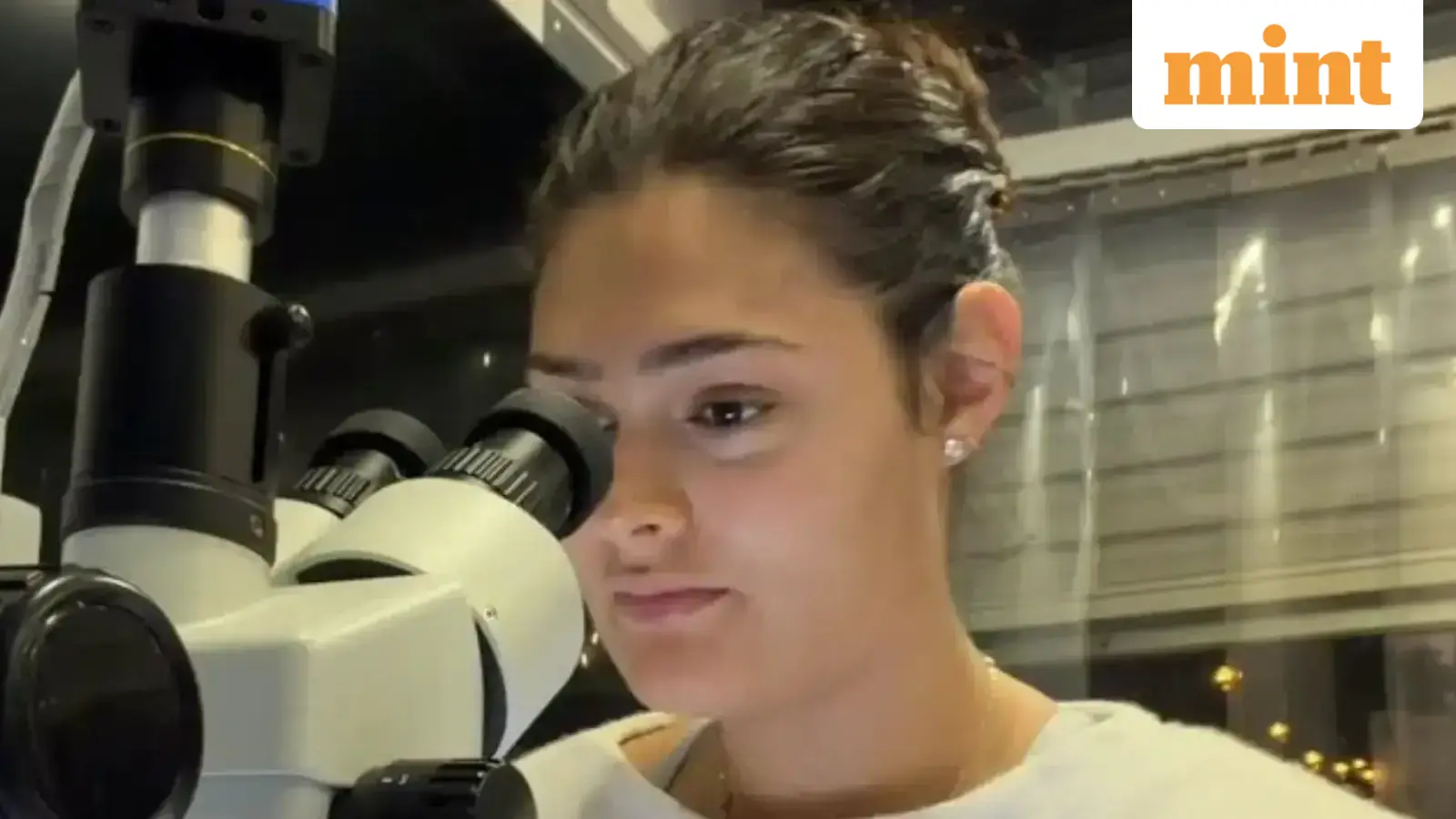
A sandwich made for her father sparked an unusual scientific question for Gabriella Rothberg: could a tomato be engineered to taste like a hamburger? Two years later, the 17‑year‑old senior at Ransom Everglades School in Miami is pursuing that idea through a biotechnology project that could eventually change how certain foods are developed. Rothberg is working on Impossible Vines, a project aimed at genetically engineering tomato plants to produce heme, an iron‑containing molecule associated with the characteristic flavour of meat. She is collaborating with Maddison Marshall, a doctoral candidate at the University of Miami, to develop the technology. According to reports by The Miami New Times and The Times of India, Rothberg and her father, biotechnology entrepreneur Jonathan Rothberg, are named as inventors on a U.S. patent issued in June 2026. The patent, assigned to Impossible Vines Inc, describes methods for engineering vegetables, including tomatoes, to produce heme. Rather than turning vegetables into processed meat substitutes, Rothberg wants to change what the plant itself produces. The approach involves using Agrobacterium, a bacterium commonly employed in plant biotechnology to transfer genetic material into plant cells. The aim is to introduce genetic instructions that enable tomato plants to produce the desired compound. Heme is important to the project because it contributes to the flavour associated with meat and is also used in the development of certain plant‑based meat alternatives. Rothberg has described the intended result as biting into a tomato and experiencing the taste of a hamburger. However, that remains the project's ambition, not a confirmed result. The tomatoes have not undergone reported taste testing or entered commercial production, and their ability to deliver the intended flavour has yet to be established. The research also encountered practical difficulties. The plants failed to develop as expected for several months before Rothberg and Marshall discovered that the vitamin concentration in their growth medium was incorrect. After the formulation was adjusted, growth began to improve. For Rothberg, the idea extends beyond creating a novelty food. She hopes the technology could eventually help make certain nutrients more accessible in communities where meat is expensive or difficult to obtain. She has identified pregnant women in developing countries as one group that could potentially benefit if the technology can deliver meaningful nutritional advantages. Iron deficiency is a significant public health concern, but whether these tomatoes could provide sufficient amounts of absorbable iron remains unproven. The project also reflects Rothberg's interest in using artificial intelligence to support scientific work. She has said AI tools helped her develop genetic constructs, prepare patent materials and build a business plan. Her family background has also shaped her interest in research. Her father helped pioneer next‑generation DNA sequencing, while her mother, Bonnie Gould Rothberg, is a physician and cancer researcher. For now, the patent marks a step toward developing the technology, not proof that a hamburger‑flavoured tomato is ready for consumers. Establishing its flavour, nutritional value, safety and commercial viability will require further work.
Frequently asked questions
What is the main objective of the Impossible Vines project?
To genetically engineer tomato plants to produce the iron‑containing molecule heme, aiming to give tomatoes a hamburger‑like flavor.
Who are listed as inventors on the U.S. patent issued in June 2026?
Gabriella Rothberg and her father Jonathan Rothberg.
Which bacterium is used to transfer genetic material into the tomato plants?
Agrobacterium.