India
PCI Recommends Safety Protocols for Protest Coverage After Delhi Detentions
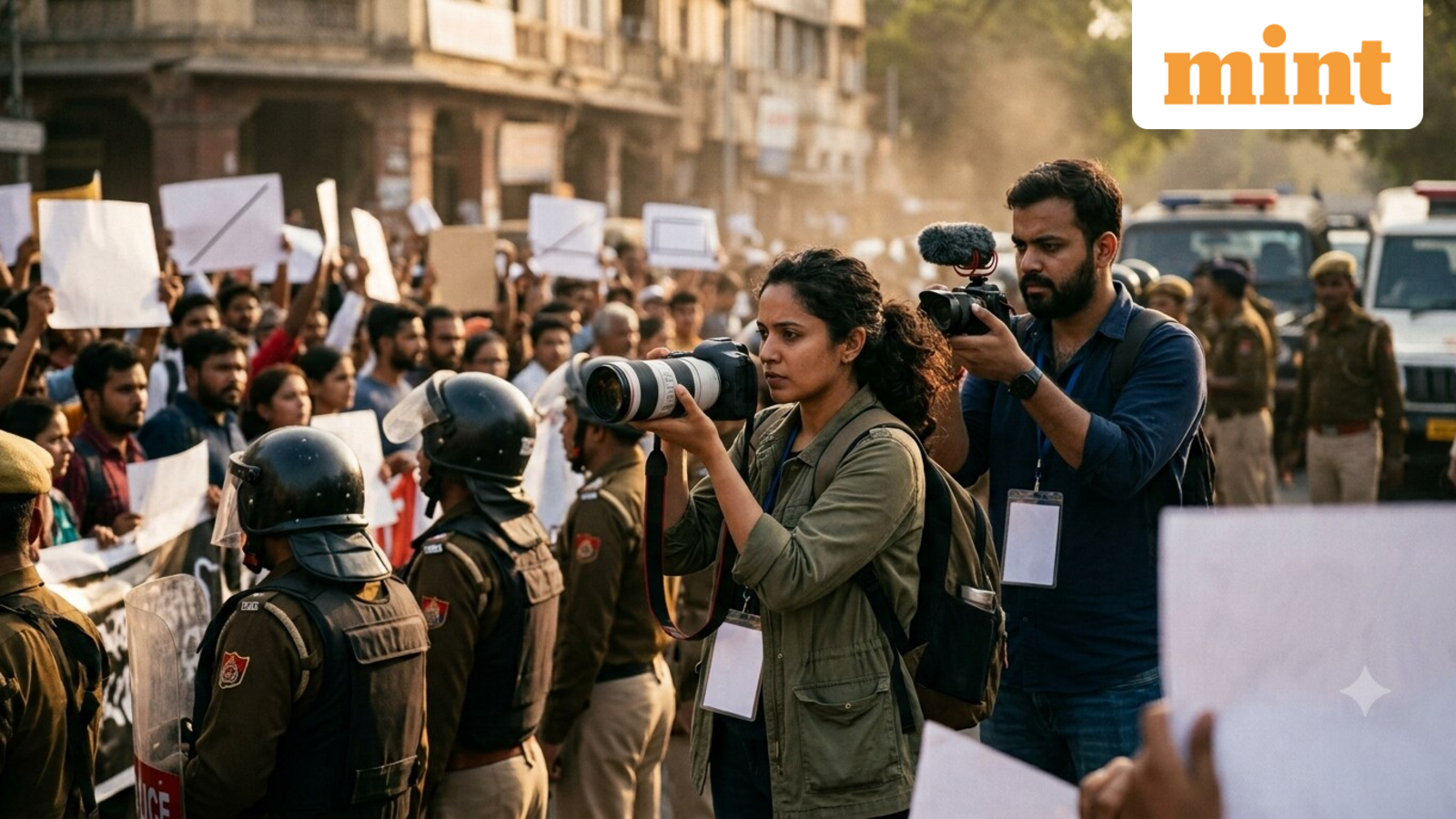
The Press Council of India (PCI) released guidelines for journalists covering protests and demonstrations on October 15, following the detention of several reporters by Delhi Police during the Cockroach Janta Party (CJP) protest. On October 11, more than 200 protesters were detained as they marched toward Jantar Mantar, and many were seen being dragged into police buses. Videos shared on social media showed journalists being taken away even after presenting their press identification cards.
The PCI’s guidelines aim to help reporters fulfill their professional duties while ensuring safety. They advise journalists to carry valid identification issued by their media organisations or PIB/DIP accreditation and to keep it clearly visible. Reporters should secure their lanyards to avoid being caught in crowds, identify themselves calmly to police, maintain impartiality, and follow lawful instructions, especially those intended to ensure safety.
For physical safety, the council recommends staying away from confrontations, remaining alert in crowds, and avoiding attaching cameras or other equipment to police barricades or vehicles in a way that could obstruct movement or cause damage. Journalists should monitor changes in crowd behaviour, identify exit routes in advance, and update escape plans as situations evolve. In areas affected by smoke or tear gas, they should use visible landmarks to find safe routes and avoid moving deeper into the crowd. The council also advises taking short steps in dense gatherings to reduce the risk of falling or being trampled.
The PCI suggests carrying a small emergency kit with first‑aid supplies, water, snacks, a flashlight, a washcloth, and eye protection. Depending on risks, journalists may also consider protective helmets and body armour and should be familiar with basic first‑aid procedures. The guidelines caution against handling tear‑gas canisters, flash‑bang devices, or smoke grenades.
News organisations are encouraged to appoint a designated contact person to track journalists on assignment and coordinate assistance in emergencies. Freelance reporters should inform a trusted editor or contact about their location, coverage plan, and expected return time. For pre‑planned demonstrations, media houses should establish communication with police and public information officers to understand protocols and identify designated press areas.
The PCI stresses accurate, balanced, and impartial reporting, clearly distinguishing verified information from allegations and unconfirmed claims. Journalists should cross‑check information with multiple sources and examine statements from protesters, organisers, police, and government authorities with equal scrutiny, ensuring proper attribution. The guidelines also advise against sharing real‑time police deployment details or escape routes if such information could endanger people. Reporters should describe what they witness rather than speculate on intentions, and exercise sensitivity when recording minors, injured people, or distressed members of the public. The council emphasises that safety should never be compromised for exclusive footage, equipment demands, or live‑broadcast commitments.
Garvit Bhirani, a Deputy Chief Content Producer at LiveMint based in Gurugram, has six years of journalism experience. He has worked with Vaco Binary Semantics for Google, 101reporters, News9, and other media organisations. Bhirani holds bachelor’s and master’s degrees in journalism and mass communication from Guru Gobind Singh Indraprastha University and Gurugram University. He has participated in several fellowships and workshops, including the YES Foundation Media for Social Change Fellowship, the Talking Data to the Fourth Pillar residential workshop, and the VOICE Fellowship in Pune. Bhirani can be reached on LinkedIn or X.