World
UK Keeps Door Open to Chinese EV Tariffs as It Joins EU Made‑in‑Europe Scheme
By Rowena Mason, Lisa O’Carroll, Jasper Jolly
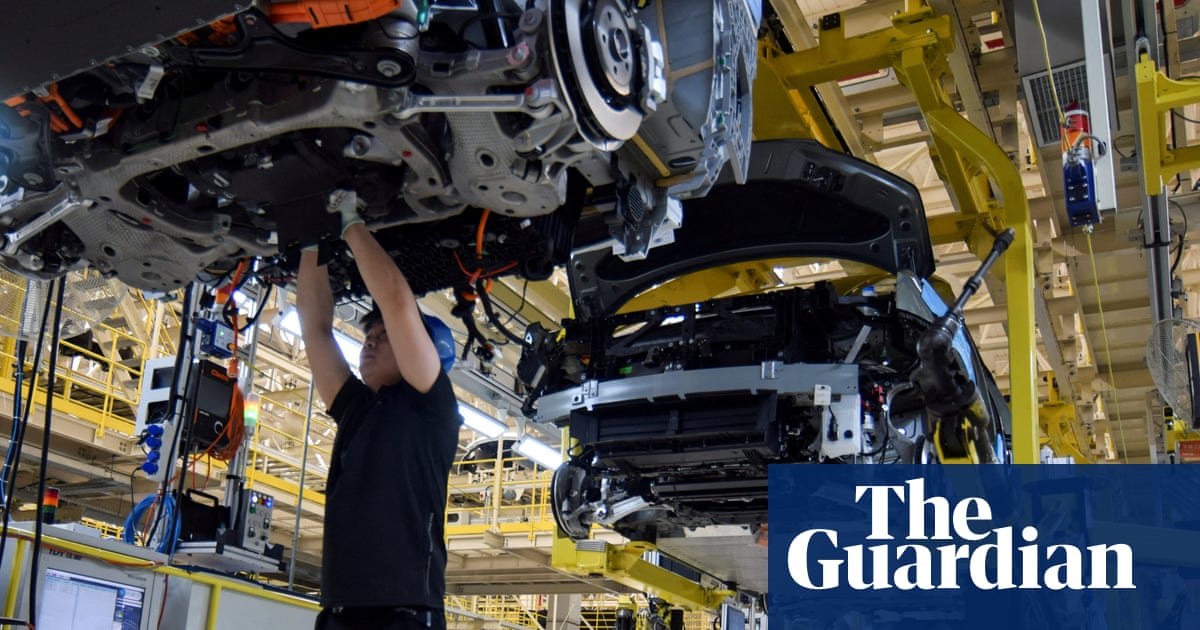
The UK government has signalled that it may impose tariffs on Chinese‑made electric vehicles if it joins the EU’s Made‑in‑Europe package, prompting Beijing to call the move “discriminatory.” Downing Street said it would welcome the UK’s inclusion in the Industrial Accelerator Act after France withdrew its opposition. The Act aims to curb subsidised Chinese imports by giving EU‑made products preferential treatment. The UK, along with Norway, worries about being disadvantaged if excluded. Joining would require the UK to align dynamically with EU trade‑defence measures, including tariffs on Chinese EVs imposed by the bloc in 2024, according to a Franco‑German proposal released Thursday night. The Chinese embassy in London said it was “firmly opposed to any discriminatory practice involving tariff hikes or restrictive measures on Chinese products” and warned that trade protectionism runs counter to WTO rules and market principles. Business Secretary Jonathan Reynolds said he would not be coerced into aligning with the EU’s policy, but the government is keen to be part of the package to avoid losing billions of pounds of trade in the car industry. A No 10 spokesperson said it was premature to speculate on the terms of any deal and that the UK keeps all tariffs under review, working closely with the automotive sector. Chinese EVs are gaining popularity: BYD sales rose 78% year‑on‑year in September, Chery up 660%, and Changan more than 3,000% in market share. EU lawmakers are expected to finalise the Industrial Accelerator Act by the end of the year or early 2027, with MEPs already tabled 5,100 amendments, including one that would allow the UK to join and give Andy Burnham time to secure a deal. Mercedes‑Benz boss Ola Källenius, also president of ACEA, warned that excluding the UK would be a “deliberate choice” to hurt the car industry across the bloc. The Franco‑German proposal includes an opt‑in for European partners that were part of the EU single market as of 1 January 2020, such as the UK and Norway, provided they accept dynamic alignment on EU conditions related to third‑country investments and trade‑defence measures. Tariffs could help UK manufacturers by preventing low‑price Chinese models from flooding the market, but they could also raise consumer prices and harm British manufacturers selling to China amid a potential trade war. About 80% of UK‑made cars are exported, with more than half to the EU and 6% to China. Trade Minister Anas Sarwar hinted that the UK was willing to align on tariffs, saying the UK and EU must “work together and act in lockstep” to tackle China’s dominance in the automotive sector. A car industry source said the EU has shown it can dialogue with China to secure safeguarding without retaliation. China opposes expanding EV tariffs and has threatened a trade war over plans to impose quotas on Chinese hybrid cars. While quotas can be introduced within months under WTO rules, imposing tariffs on Chinese cars could take more than a year, involving notification, evidence gathering, and sharing of alleged harms to the British car industry. Labour chair Liam Byrne said imposing tariffs on Chinese EVs would be “a small price to pay” to save the industry in both the UK and the EU. At a London conference on Thursday night, Byrne said the UK urgently needs a new strategy on China to prevent British and European manufacturing from dying, criticizing the government’s approach as naive and based on false hopes that China will change its export policy.