Business & Finance
RBI Raises Repo Rate to 5.5% Amid Rising Inflation and Global Tightening
By Today News Hours Editorial Desk
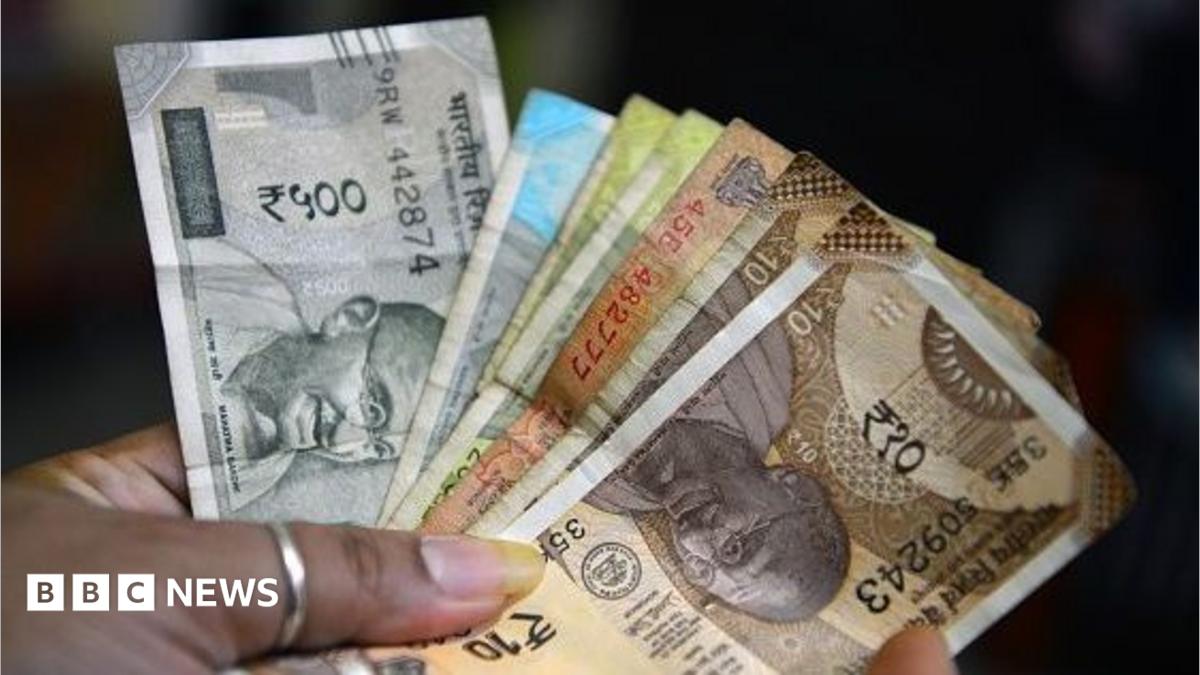
The Reserve Bank of India (RBI) raised its benchmark repo rate by 25 basis points to 5.5%, the first increase since February 2023. The move aims to curb inflation as the country faces energy‑driven price pressures and a weak monsoon. The repo rate is the rate at which the RBI lends to commercial banks, which then pass the higher cost on to consumers.
The decision follows a period of rate cuts in 2025 to support growth, and comes as global central banks tighten policy amid Middle East tensions. Indian equity indices Sensex and Nifty fell as investors weighed the impact of higher borrowing costs on consumption and corporate investment.
In a post‑policy address, RBI Governor Sanjay Malhotra said the hike reflected challenging geopolitical developments but that the economy remained strong. He added that cuts were “off the table for now” and that the RBI would either raise rates further or keep them unchanged to contain inflation.
The RBI now projects Consumer Price Index inflation at 5.2 % for 2026‑27, higher than the earlier estimate of 5 %. The projection accounts for weather disruptions, a weak monsoon and volatility in international oil prices. Crude oil prices are above $100 a barrel, and the rupee has weakened to near all‑time lows against the dollar. India imports about 90 % of its crude oil and 50 % of its gas.
The rate increase aligns with expectations that rising inflation justifies tighter policy, especially as the economy shows resilience. It also mirrors global trends, with the U.S. Federal Reserve raising rates aggressively since 2022, pushing U.S. Treasury yields higher and prompting investors to seek higher returns in dollar assets.
On the same day, the RBI upgraded its growth outlook after the economy outperformed expectations in the first quarter. The gross domestic product growth for the current financial year is now projected at 7.1 %, up 40 basis points from the earlier estimate. Governor Malhotra said the RBI would “strive for price and financial stability as both are essential for sustainable growth in the long run.” The RBI also signalled it would use a mix of liquidity‑management tools to keep liquidity in check while curbing excessive rupee volatility.
Anuj Puri, chairman of real‑estate consulting firm ANAROCK Group, warned that the rate hike could pressure consumer sentiment and discretionary spending. He noted that the festive season is a key period for housing demand and that higher borrowing costs will affect buyer sentiment.
Frequently asked questions
What is the new RBI repo rate?
The RBI set the repo rate at 5.5%, a 25 basis point increase.
Why did the RBI raise the repo rate?
The hike aims to curb inflation driven by energy price pressures and a weak monsoon.
What is the projected CPI inflation for 2026-27?
The RBI projects CPI inflation at 5.2% for 2026‑27.