World
UK Report Criticizes China Policy as Incoherent and Lacking Senior Expertise
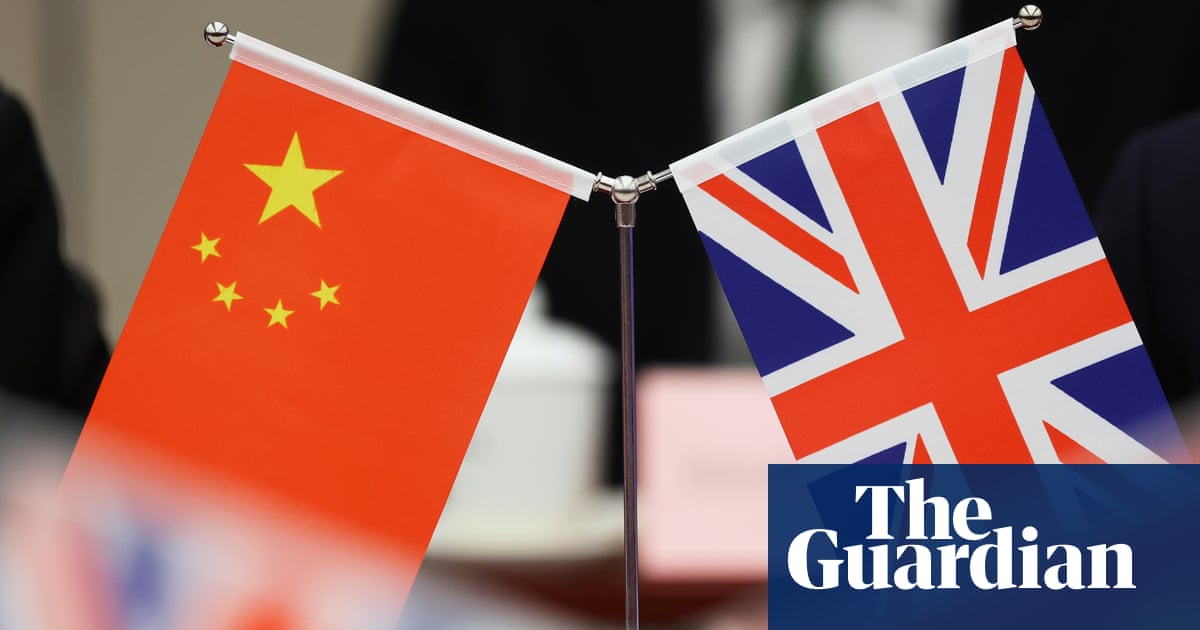
A report by the Inter‑Parliamentary Alliance on China (Ipac) has described the United Kingdom’s approach to China as “beset by incoherence” and lacking senior expertise. The audit, released on Wednesday, warns that past engagement with Beijing has exposed the UK to interference risks without delivering the promised opportunities. It states that successful engagement must be framed by an understanding that the People’s Republic of China is an inherently hostile authoritarian state that does not share UK values.
The report argues that the power imbalance with the world’s second‑largest economy is worsened by muddled policy and weak engagement. It cites an example of a visiting Chinese delegation noting that no senior UK government official who engages with Beijing speaks Mandarin or has significant experience living in China. While British expertise exists, Ipac says it is often siloed and “not translated into capability,” citing budget cuts as an additional problem.
Ipac, which includes almost 50 MPs from Labour, the Conservatives, the Liberal Democrats, the Scottish National Party, the Greens and Reform, calls the report a “clear‑eyed and realistic take on the defining foreign policy problem of this century.” Former security minister Tom Tugendhat said the report fills a gap left by years of policy neglect.
A UK government spokesperson said that while cooperation with China presents opportunities, the government is “clear‑eyed about the threats China poses, and national security is the first duty of government.” They added that the UK will cooperate where possible while meeting challenges head‑on.
The Chinese embassy in London responded by accusing Ipac of manufacturing falsehoods, misleading the public, and undermining China’s relations with other countries. It said the report “distorts the facts” and is “not even worth refuting.”
Although the report acknowledges that disengagement is not an option, it calls for clearly defined red lines on critical infrastructure, frontier technologies and human rights. Recommendations include better institutional coordination, stronger use of national security tools and diversification of supply chains. Emerging technologies such as AI are identified as a potential new front, with concerns about disinformation and surveillance capabilities.
The audit also notes that the climate crisis is a low‑risk area for cooperation, stating that climate targets will not be met without cooperation with China and that medium‑term dependence on China’s supply chains may involve forced labour and unfair trade practices.
The UK government conducted its own audit of the UK‑China relationship in late 2024 but has said it cannot publish most of the detail for fear of damaging national interests. Evan Fowler, author of the Ipac report, said a public audit was important because engagement with China occurs beyond the government level.
Kerry Brown, a former diplomat and director of the Lau China Institute at King’s College London, welcomed the report’s emphasis on better language skills but said the critical issue is lived experience in China. He noted that some Ipac members are keen to promote a security‑oriented view that engagement with China exposes the UK to risks, and that learning important lessons requires daily life experience, which is currently difficult to support.