Politics
ICE Rejects GAO Recommendation for Automatic Body‑Camera Activation
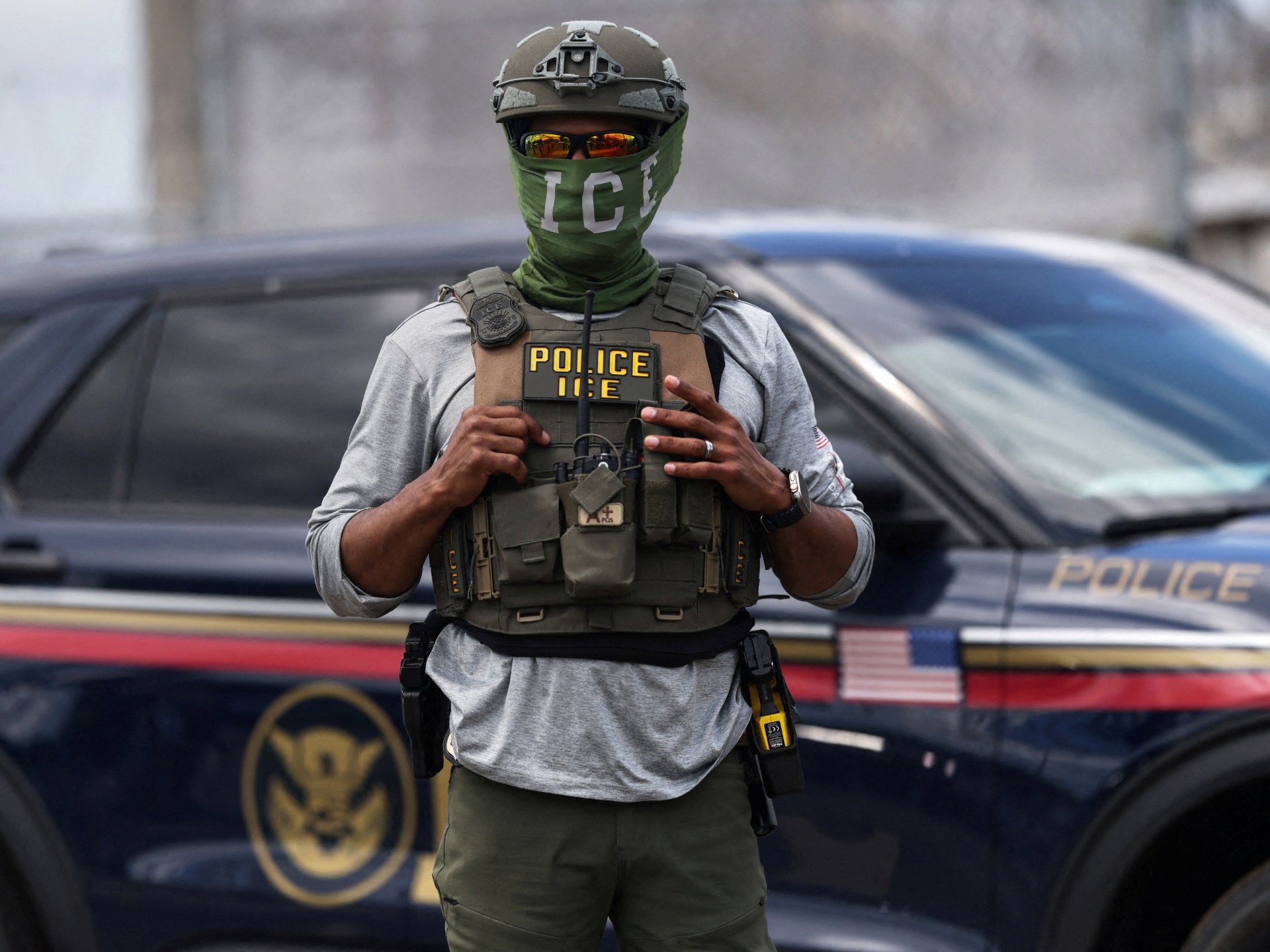
The U.S. immigration agency has declined a Government Accountability Office (GAO) recommendation to equip its agents with body cameras that automatically record. The GAO report, released on Wednesday, urged an update to ICE guidelines, noting that automatic activation could help capture footage during unexpected incidents involving force. The report said that such a feature would address difficulties agents face in manually turning on cameras during enforcement operations. ICE rejected the suggestion, citing privacy concerns. The agency said that automatic recording could lead to the unauthorised recording of sensitive interactions with informants or victims. ICE has stated that all its offices received body cameras as of August 5, but training on their use is still ongoing and will be completed “soon.” The agency’s decision comes amid ongoing criticism of ICE’s use of force. In January, two U.S. citizens—Renee Good and Alex Pretti—were shot to death in separate Minneapolis incidents during immigration operations. The New York Times estimated in July that immigration agents had opened fire on at least 25 people since the start of President Trump’s second term, while a CBS News review updated this week counts at least 30 shootings, with nine people killed and 13 wounded. ICE has often attributed such incidents to aggression against its agents and has argued that its officers fire in self‑defense. However, video footage in several cases has contradicted the agency’s accounts. In Good’s shooting, observers noted that her car appeared to be turning away from agents, not towards them. In another incident, ICE agent Christian Castro was charged with lying about being attacked with a snow shovel and broom before shooting Julio Cesar Sosa‑Celis, a Venezuelan man in Minneapolis; video footage contradicted his statements. Castro pleaded not guilty last month. On October 8, ICE agents shot Oscar Belgal in New York City while his five‑year‑old son was in the backseat. ICE said Belgal appeared to be “going towards officers” when they opened fire. A judge rejected the government’s effort to have Belgal deported. Activists argue that better body‑camera procedures could clarify such incidents, but the Trump administration has largely resisted reforms to ICE protocol. Earlier this year, Democrats in Congress delayed funding for the Department of Homeland Security, which oversees ICE, on the basis that significant changes were needed to reduce excessive‑force incidents.