World
Canada Halts Expansion of Assisted Dying to Those with Mental Illness Alone
By Today News Hours Editorial Desk
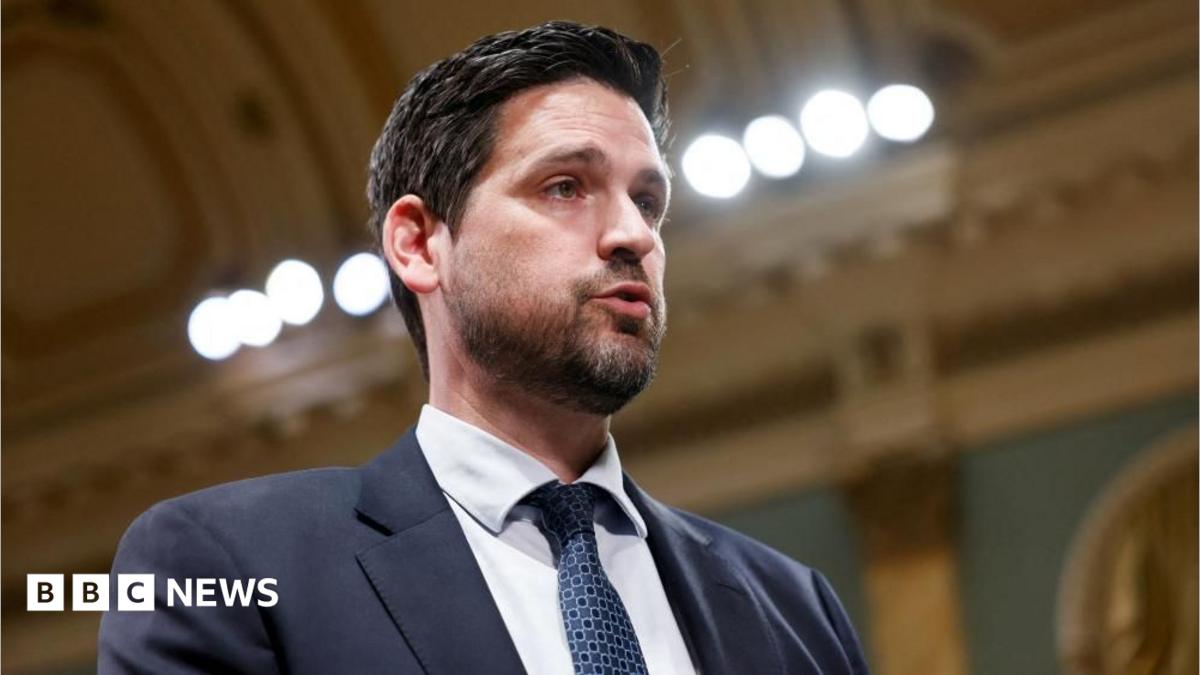
Canada has decided to indefinitely suspend plans to broaden its medically assisted dying law to include people whose sole condition is mental illness. The decision follows a parliamentary panel’s recommendation earlier this year that the expansion should not proceed. Justice Minister Sean Fraser said, “while there is not a perfect consensus on this issue, we believe this is the correct approach at this particular time.” The move means that Canadians with mental illness as their only condition will not be able to access assisted dying by March 2027, as had been previously scheduled. Fraser announced that the government will introduce new legislation in the coming weeks that will suspend the expansion indefinitely and will also allow patients with a progressing incurable illness to consent to assisted dying before their health deteriorates to the point where they are unable to do so. The final decision will remain with individual provinces. Advanced requests are not currently legal under federal law, though they are permitted in Quebec for those with serious and incurable illnesses. Fraser noted that the Supreme Court could weigh on the issue in the future. Medically assisted dying became legal in Canada in 2016 for people with terminal illnesses, and was expanded in 2021 to those with incurable conditions whose death was not imminent. The government had originally planned to extend the law to people whose sole condition was mental illness in 2023, but delayed the change twice to allow time for study. Advocacy group Dying with Dignity called the decision “profoundly disappointing” and said that a very small number of individuals with severe and persistent mental illness would be eligible for assisted dying under the criterion, but their suffering is no less real than those with physical illnesses. Helen Long, the group’s CEO, added that the government’s decision ignores the rights of these patients. Concerns have been raised about whether mental illnesses are currently understood well enough by medicine to determine appropriate eligibility. “When I hear that there is a lack of consensus in the medical community about the irremediable nature of certain mental illnesses, that gives me real cause for concern,” Fraser said. Claire Brosseau, a woman with treatment‑resistant bipolar I disorder who is part of the federal case challenging Canada’s current laws, told the BBC earlier this year that assisted dying would offer her “a safe death.” Her lawyer, Michael Fenrick, told the BBC on Wednesday that he anticipates a lengthy legal battle on the issue and that people will continue to suffer intolerably while the case goes through the courts. Some experts have also warned that Canada’s assisted dying programme may be used to alleviate the suffering of people who would be better served by improved access to affordable housing and healthcare, rather than being an option of last resort. A parliamentary committee report earlier this year noted competing opinions on the issue but recommended that Canada “indefinitely exclude persons whose sole underlying medical condition is a mental illness” from assisted dying and called for increased and more equitable access to adequate mental health services. The conclusions were reached after committee members heard from doctors, advocates and experts from countries that allow assisted dying for people solely with mental illness, such as the Netherlands and Belgium. Not all committee members agreed with the recommendation; some released a dissenting report arguing the process was “fundamentally flawed” and “biased.” Polls suggest that while the majority of Canadians support access to assisted dying in general, support drops when it comes to patients with mental illness alone.
Frequently asked questions
Why has Canada suspended the expansion of assisted dying for people with mental illness alone?
The government followed a parliamentary panel’s recommendation that the expansion should not proceed and Justice Minister Sean Fraser said this is the correct approach at this time.
When will Canadians with mental illness as their sole condition be able to access assisted dying?
They will not be able to access assisted dying by March 2027, as had been previously scheduled.
Are advanced requests for assisted dying legal under federal law?
No, advanced requests are not currently legal under federal law, though they are permitted in Quebec for those with serious and incurable illnesses.