World
Azerbaijan Schools Clash Over Hijab, Prompting Detentions and International Reactions
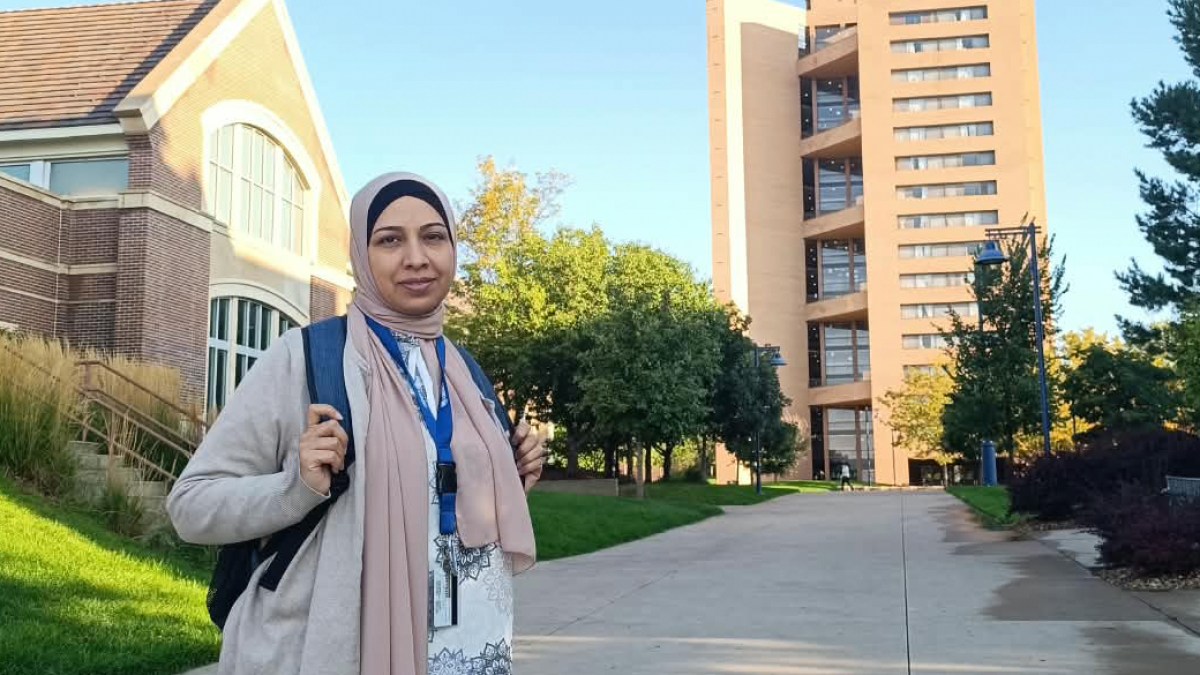
In Baku, teachers and students are facing bans for wearing hijabs in public schools, sparking protests and detentions. English teacher Gulshan Aliyeva, who has taught for 23 years, was denied entry to her school after wearing a headscarf, and her daughter was also prevented from attending school. Aliyeva said she wants to perform her duties without her religious beliefs becoming an obstacle and cited Article 16 of Azerbaijan’s Labour Code, which prohibits employment discrimination. New rules last month banned pupils from wearing clothing that violates the principle of secularism in education, though they did not single out the hijab. The Ministry of Internal Affairs reported that 37 people were detained for disrupting public order while breaking the new rules. Aliyeva plans to continue reporting to work and will take her case to the relevant authorities if necessary. The Baku City Education Department announced that schools will be monitored for compliance.
Sheikh‑ul‑Islam Allahshukur Pashazade, chairman of the Caucasus Muslims Board, said the hijab is an important religious obligation and that citizens can express their views but should not disturb schools. He also claimed the issue is being used for political purposes and urged critics to address relevant ministers.
Some residents, such as Timur Rzayev, believe the controversy is politicised and that the government’s uniform policy should be followed. Rzayev opposes girls under 18 wearing the hijab, arguing that such decisions often reflect parental preferences rather than the children’s wishes. He said Azerbaijan is a secular state that respects the rights of religious people.
Opposition leader Natiq Jafarli said the question of students wearing the hijab warrants further discussion and that teachers, as adults, should not be restricted in how they dress.
The dispute has also strained Azerbaijan’s ties with Turkey. Oktay Saral, an adviser to Turkish President Recep Tayyip Erdogan, called the move “unacceptable” and posted on X that leaving a student who covers her head at the school gate is unjust. The governing Yeni Azerbaijan Party warned that Saral’s comments risked harming relations between the close allies.
Zahid Oruj, chairman of the National Assembly’s human rights committee, said the measure was not religious discrimination or an attack on free expression. He noted that there is no ban on wearing headscarves outside school and that the primary objective is to maintain uniform rules within the educational environment. He added that many Azerbaijanis do not wear the hijab but still regard the Quran as holy and believe in God, suggesting that disagreement about school dress requirements should not be equated with hostility toward religion.
The National NGO Forum of Azerbaijan criticised the politicisation of the debate. Azerbaijan’s constitution declares the country secular (Article 7) and separates religion and state (Article 18), while guaranteeing freedom of conscience (Article 48). These provisions place secular education and religious freedom within the same constitutional framework, raising questions about how the state should reconcile them when regulating clothing in public schools.
Azer Rashidoglu, chairman of the Azerbaijan‑based Tolerance Public Association for Social Research, said the new rules are not in line with the Constitution and urged those whose rights have been violated to seek legal redress through the courts and pursue their cause peacefully and lawfully.