World
Israel’s Occupation Continues to Demolish Southern Lebanese Villages
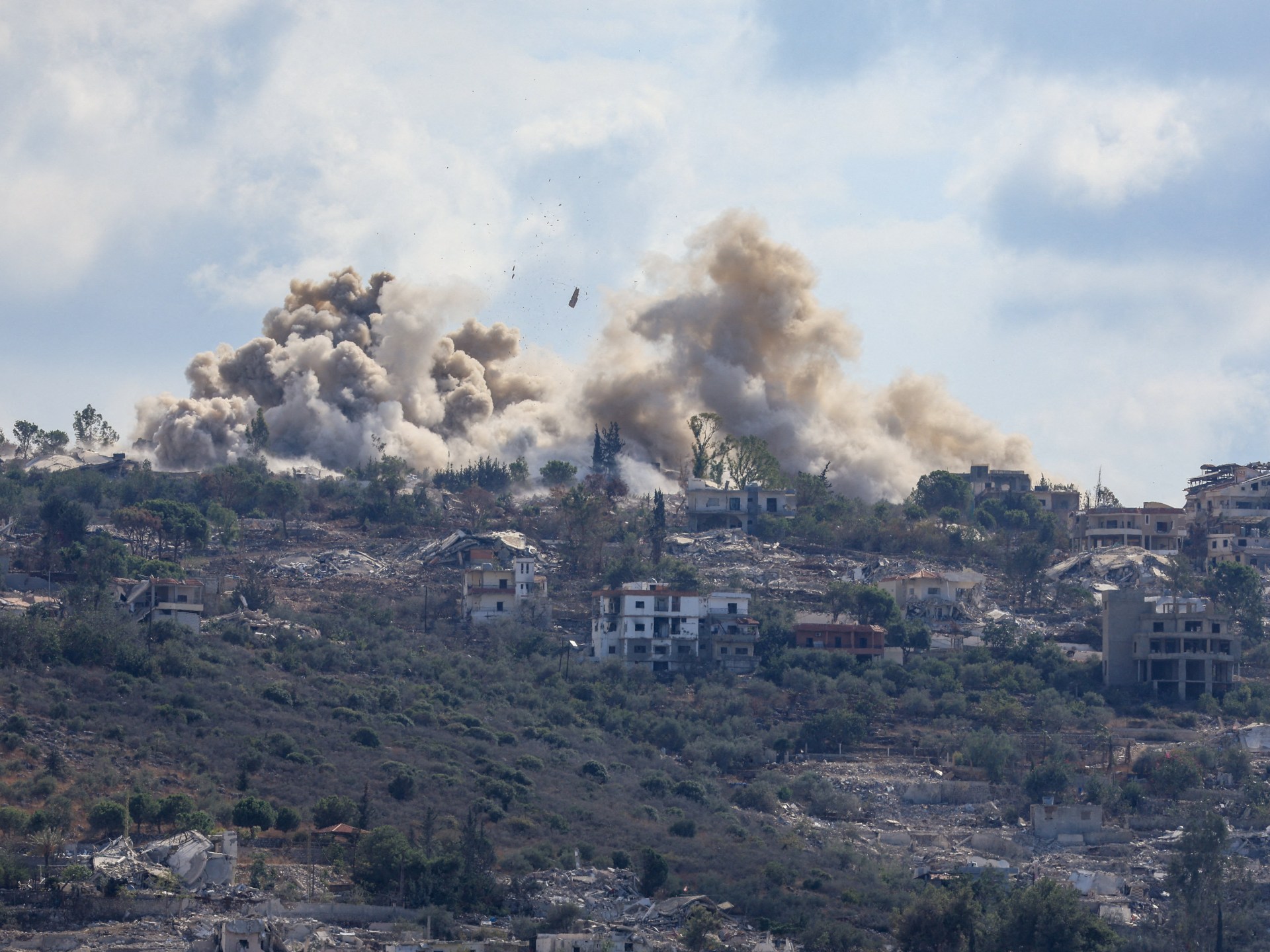
In the months following a framework agreement signed in June between Lebanon and Israel, Israel has maintained a 10‑kilometre occupation zone in southern Lebanon, demolishing homes and infrastructure in dozens of villages. Ali, a resident of Khiam who now lives in Hasbaiyya, says the displacement is a result of “flawed tragedies and failed politics.”
He is one of tens of thousands of Lebanese who have been forced from their homes. The Lebanese Shia group Hezbollah fired rockets at Israel on March 2, the first time in more than a year, citing daily Israeli violations of a November 2024 ceasefire and the assassination of Iran’s Supreme Leader. Israel responded by intensifying attacks on Lebanon, displacing more than 1.2 million people.
The June agreement created “pilot zones” where Israel would withdraw and the Lebanese Armed Forces would replace its troops and disarm Hezbollah. However, Israel still occupies a zone up to 10 kilometres deep, and the “Yellow Line” marks the end of that zone. Despite ceasefires, Israeli forces continue to detonate homes behind the line. Mohamad Bazzi, a New York‑based analyst from Bint Jbeil, told Al Jazeera that Israel’s goal is to empty and depopulate frontline villages, a strategy he likens to the Gaza model.
Around 50 villages, including Khiam and Bint Jbeil, have been destroyed. Ahmad Baydoun, a Lebanese architect in the Netherlands, said the Yellow Line is treated as a hard boundary, with demolition continuing unabated. On the northern side of the line, residents have returned to devastated villages such as Froun, which was destroyed by air and drone strikes but never occupied.
Other coloured lines exist: the Blue Line, established in 2000 after Israel withdrew from southern Lebanon, and a proposed Grey Line that could extend 4 kilometres into Lebanese territory, creating a buffer zone. Bazzi argues that these lines sow confusion and obscure Israel’s actions of depopulation and destruction.
Within the occupied zone, some villagers remain, mainly Christians and Sunnis. Baydoun notes that these communities are not free: municipal workers are abducted, mayors detained, and access to fields is controlled by checkpoints. He describes the situation as a “West Bankification” of those who remain.
Analysts predict that the occupation could last for the foreseeable future. The Lebanese government plans to build prefabricated homes, but providing water, electricity, and sewage services will be difficult where infrastructure has been destroyed. Even if Israel withdrew, many border areas would remain in ruin.
For displaced residents like Ali, the occupation is reshaping southern Lebanon for generations. “Khiam is destroyed, there’s nothing, it’s uninhabitable for the next 10, 15, 20 years,” he said, adding that the return to normal life feels like a return to the Stone Age.
Frequently asked questions
What is the extent of Israel's occupation zone in southern Lebanon after the June framework agreement?
Israel maintains a 10‑kilometre occupation zone up to the Yellow Line.
How many villages have been destroyed in the occupied zone?
Around 50 villages, including Khiam and Bint Jbeil, have been destroyed.
What is the Lebanese government's plan to address displaced residents?
The Lebanese government plans to build prefabricated homes, but providing water, electricity, and sewage services will be difficult where infrastructure has been destroyed.