World
Jamaica Welcomes First U.S. Third-Country Deportation Flight
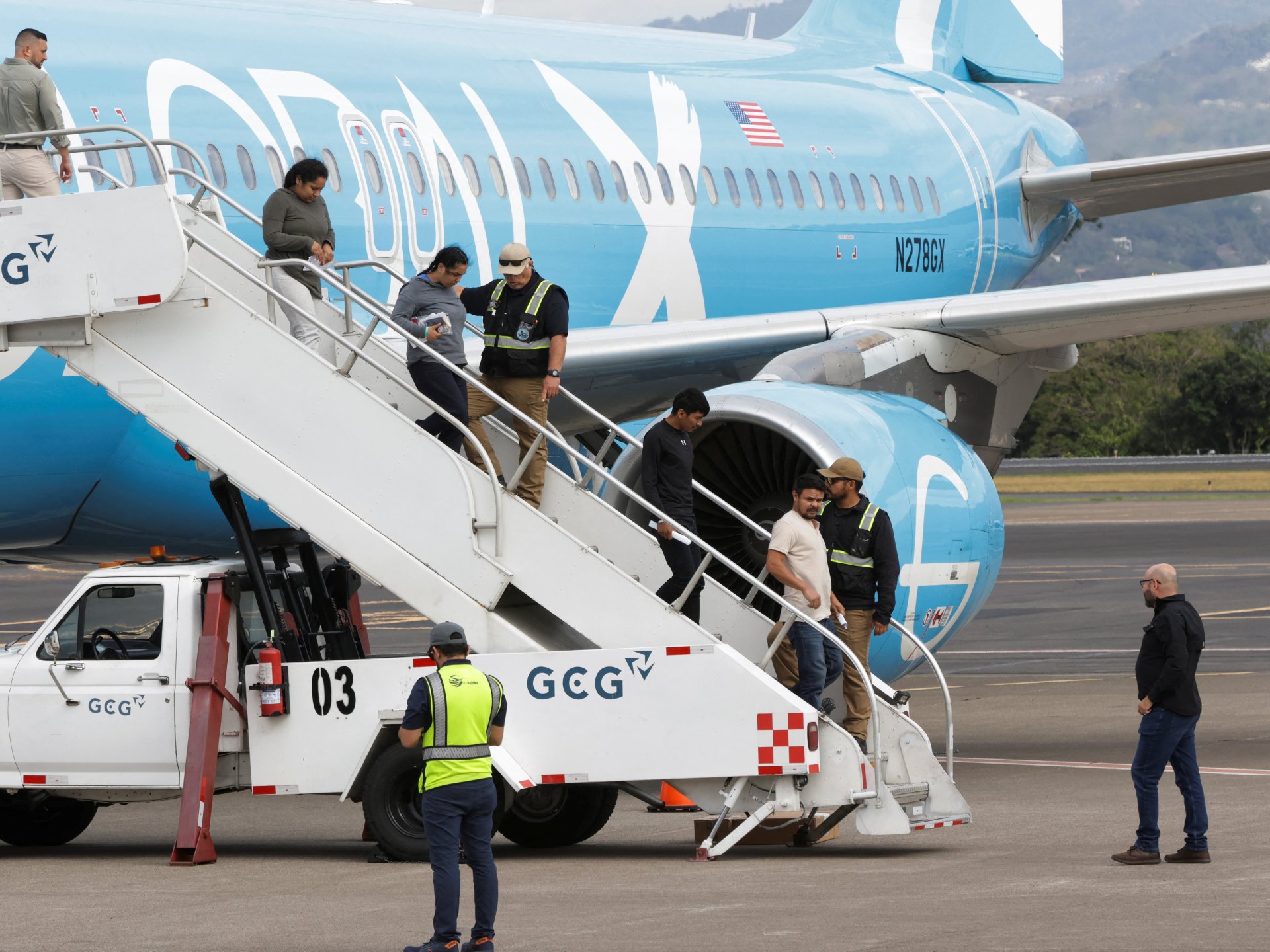
Jamaica accepted a flight of 22 U.S. deportees on Tuesday, 22, at Norman Manley International Airport in Kingston. The arrivals were reportedly transported by bus to an undisclosed location. The deportations are part of President Donald Trump’s broader third‑country deportation program, which has involved at least 35 countries. Jamaica signed a memorandum of understanding in June to receive such deportees and will transfer them to their home countries or other destinations after arrival. The government has pledged not to accept deportees with criminal records and stated that the arrangement is a transit arrangement to facilitate return to the deportees’ countries of origin or other receiving countries. Jamaica’s Ministry of National Security and Peace and its Ministry of Foreign Affairs and Foreign Trade said the International Organization for Migration will support care for the deportees, and that the arrangement will not be funded by the Jamaican government. Opposition leaders have criticized the deal, calling it a threat to the island’s security and questioning why it has not been publicly debated. Fitz Jackson, the opposition spokesperson on national security, said Jamaicans are being asked to trust a secret document that touches their security, communities and public services. Foreign Minister Kamina Johnson Smith responded that all questions about the deal have been answered and noted that the U.S. has not agreed to make the agreement public. Legal challenges are ongoing in the United States, with advocates arguing that deportees are removed without due process and that some third‑country destinations may pose danger. Critics also claim the program circumvents court protection orders that prohibit returning certain immigrants to their home countries. A February report by the U.S. Senate Foreign Relations Committee described the purpose of the far‑flung deportations as instilling fear, with officials saying the administration can threaten people that they will be dropped “in the middle of nowhere.”