World
Foot‑and‑Mouth Outbreak in Namibia Sparks Market Shutdowns and EU Meat Import Suspension
Foot‑and‑mouth disease (FMD) has struck Namibia, prompting market closures, supply disruptions, and a temporary EU ban on certain Namibian meat imports. In Windhoek’s largest open meat market, Single Quarter, vendors like Francisco have had to shut down for several days, citing the need for income before the month’s end. The market, normally bustling with kapana stalls, is now sparsely visited, and vendors are struggling to purchase meat, which has become more expensive. A vendor who wished to remain anonymous warned that a three‑month halt would be devastating.
In Katutura, residents fear a shortage of meat, a staple of the local diet, and rising prices. At a supermarket in Okuryangava, butchery manager Enrico De Azevedo, 23, noted panic buying similar to the COVID‑19 toilet‑paper frenzy, with customers stacking meat beside their supplies. He also warned that the export sector could face serious consequences.
The Namibia Directorate of Veterinary Services (DVS) confirmed an FMD outbreak on a commercial farm in the Karasburg State Veterinary District on 23 September 2026. By 5 October, surveillance teams had recorded 127 positive cases across 15 farms and inspected 29,313 animals on 68 farms. The government deployed 20 surveillance teams and 10 roadblocks in the region. An update on 6 October reported 129 positive samples and 17 confirmed infected farms, with 72 of 81 targeted farms inspected.
A second outbreak was confirmed on 7 October in Kalala Island, Kabbe constituency, Zambezi Region. Twelve samples collected on 5 October tested positive on 6 October. The ministry issued a public notification on 10 October, suspending movement of cloven‑hoofed animals and raw products, canceling movement permits, and halting livestock auctions, informal markets, and slaughter at local abattoirs. Export abattoir slaughter may continue for eligible cattle under a commodity‑based trade system, provided quarantine and traceability requirements are met. Emergency vaccination, roadblocks, and intensive surveillance are underway.
FMD is a highly contagious viral disease affecting cattle, sheep, goats, and pigs, and can disrupt production and trade, especially in disease‑free areas. Following the Karasburg outbreak, Namibian authorities notified the World Organisation for Animal Health and restricted movement and export of cloven‑hoofed animals. The European Union amended its import rules for Namibia’s previously authorised export zone (NA‑1), suspending entry of specified fresh meat products from cattle, sheep, goats, and certain hoofed animals, as well as processed products such as biltong and jerky. The suspension is not a blanket ban; processed products that undergo prescribed risk‑mitigating treatment remain eligible, and fresh‑meat consignments certified before 23 September may enter during a 90‑day transitional period.
The Namibia Agricultural Union’s communications head, Marianne Pretorius, said the restrictions are painful but necessary, and that the impact extends beyond the Karasburg region. She warned that even after domestic trade resumes, prices may stay under pressure until export markets reopen.
Containment efforts include building a veterinary cordon fence along the Orange River in the Karasburg Region, begun in October, to strengthen border controls with South Africa. Additional fencing and containment measures are being pursued in high‑risk areas.
The outbreak also affected the meat‑processing sector. On 12 October, Meat Corporation of Namibia (Meatco) placed about 400 production workers on three‑week special leave with full pay, to be reviewed on 23 October. Meatco paid farmers N$31 million (≈US$1.8 million) for cattle delivered to its Windhoek abattoir between 29 August and 11 September, covering cattle already delivered while future sales remain uncertain.
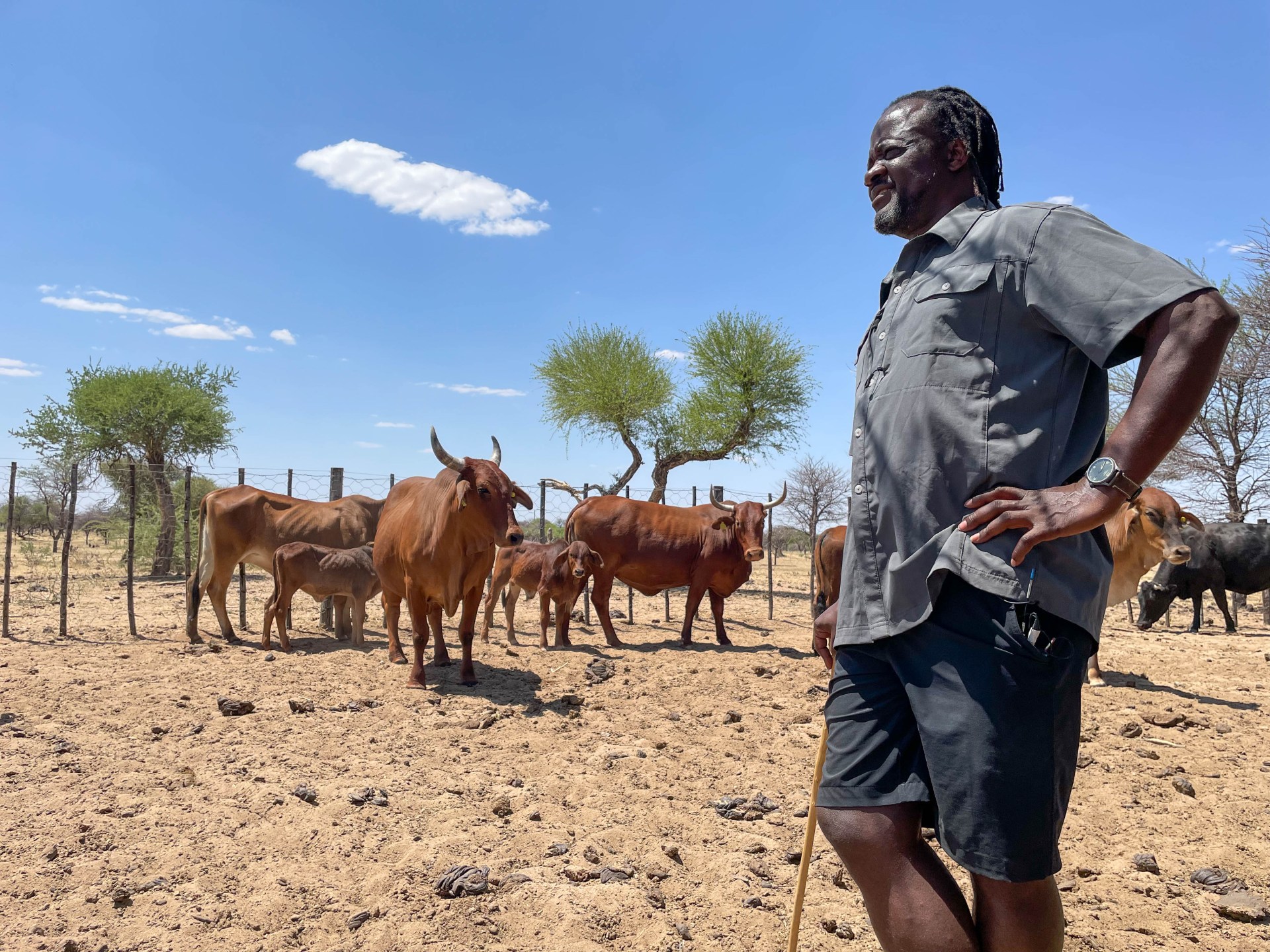
Farmers like 40‑year‑old Gert Engelbrecht of Aranos feel the strain. He said restrictions on moving and selling livestock threaten their livelihood and that restoring disease‑free status is essential. The DVS has intensified surveillance and is tracing livestock movements before the outbreaks were detected. Farmers and meat vendors alike emphasize the need to regain market access to keep operations running.
Frequently asked questions
When was the first FMD outbreak confirmed in Namibia?
The Namibia Directorate of Veterinary Services confirmed an FMD outbreak on a commercial farm in the Karasburg State Veterinary District on 23 September 2026.
What action did the EU take regarding Namibian meat imports?
The European Union amended its import rules for Namibia’s previously authorised export zone (NA‑1), suspending entry of specified fresh meat products from cattle, sheep, goats, and certain hoofed animals, as well as processed products such as biltong and jerky.
What containment measures have Namibian authorities implemented?
Namibian authorities deployed 20 surveillance teams and 10 roadblocks, built a veterinary cordon fence along the Orange River, and are conducting emergency vaccination, roadblocks, and intensive surveillance.