Business & Finance
Sebi Calls for Direct Monitoring Agency Reporting and Fines for IPO Non‑Cooperation
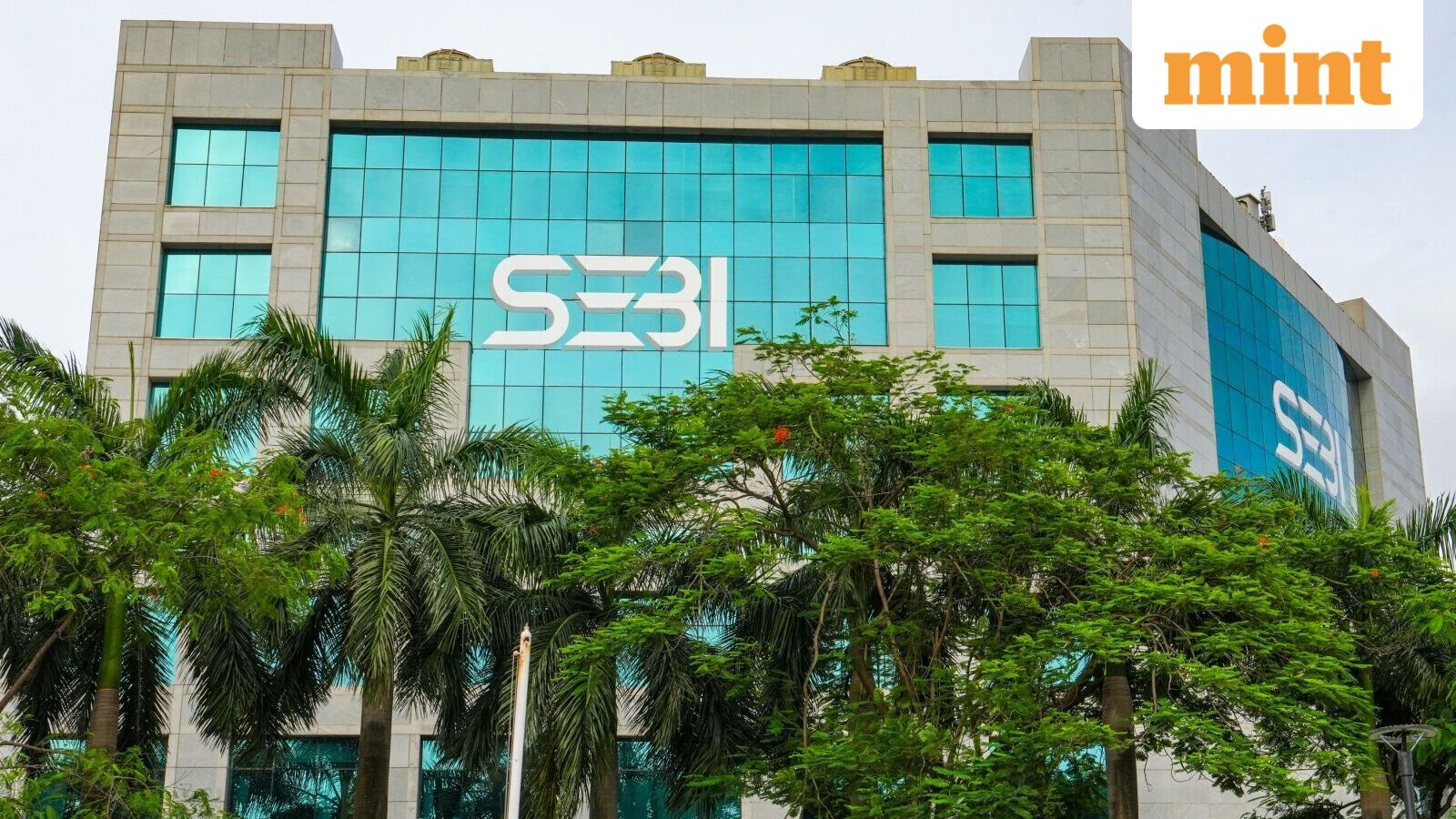
The Securities and Exchange Board of India (Sebi) has issued a consultation paper proposing a review of the framework that monitors how listed companies use funds raised in initial public offerings (IPOs). The proposals, part of a working group’s report on the Listing Obligations and Disclosure Requirements (LODR) Regulations, 2015, seek to streamline the monitoring and disclosure of issue proceeds.
Key recommendations include allowing monitoring agencies to submit their reports directly to stock exchanges within prescribed timelines. If a listed company does not cooperate, the agency must prepare its report based on the best available information and attach a statement of non‑cooperation. Monitoring agencies are independent third‑party entities appointed by companies to track and verify the use of fresh capital. Sebi proposes that stock exchanges display these reports, along with any non‑cooperation statements, prominently on their websites.
Should a company later provide complete information, the monitoring agency must submit a revised report within 15 days, noting that the non‑cooperation has been rectified for the relevant period. The working group also recommends a fine of ₹50,000 for each instance of non‑cooperation reported by a monitoring agency during the applicable reporting period.
Under the enforcement process outlined, stock exchanges would review compliance and issue notices within 30 days of the report’s due date. Failure to rectify the non‑cooperation or pay the fine could lead to notices to promoters and, subsequently, the freezing of their demat accounts in accordance with the prescribed standard operating procedure.
The review also addresses the termination of monitoring agency agreements before full utilisation of issue proceeds. Sebi proposes that where non‑cooperation has been reported, a company should not be permitted to terminate its existing agreement or appoint a new monitoring agency until the issue is rectified and the existing agency can submit a complete report for the relevant period.
Other recommendations include mandatory appointment of monitoring agencies for all issuances, regardless of issue size, excluding offer‑for‑sale amounts; revisions to the monitoring report format; and alignment of the LODR Regulations with the Issue of Capital and Disclosure Requirements Regulations.
Public comments on the proposals are invited until 3 November 2026.
Frequently asked questions
What is the proposed fine for non‑cooperation by a monitoring agency?
₹50,000 for each instance of non‑cooperation reported by a monitoring agency during the applicable reporting period.
How long does a monitoring agency have to submit a revised report if a company later provides complete information?
The monitoring agency must submit a revised report within 15 days, noting that the non‑cooperation has been rectified for the relevant period.
What happens if a company fails to rectify non‑cooperation or pay the fine?
Stock exchanges may issue notices to promoters, and subsequently freeze their demat accounts in accordance with the prescribed standard operating procedure.