World
US and Lebanese Authorities Shield Wanted Syrian General, BBC Investigation Reveals
By Today News Hours Editorial Desk
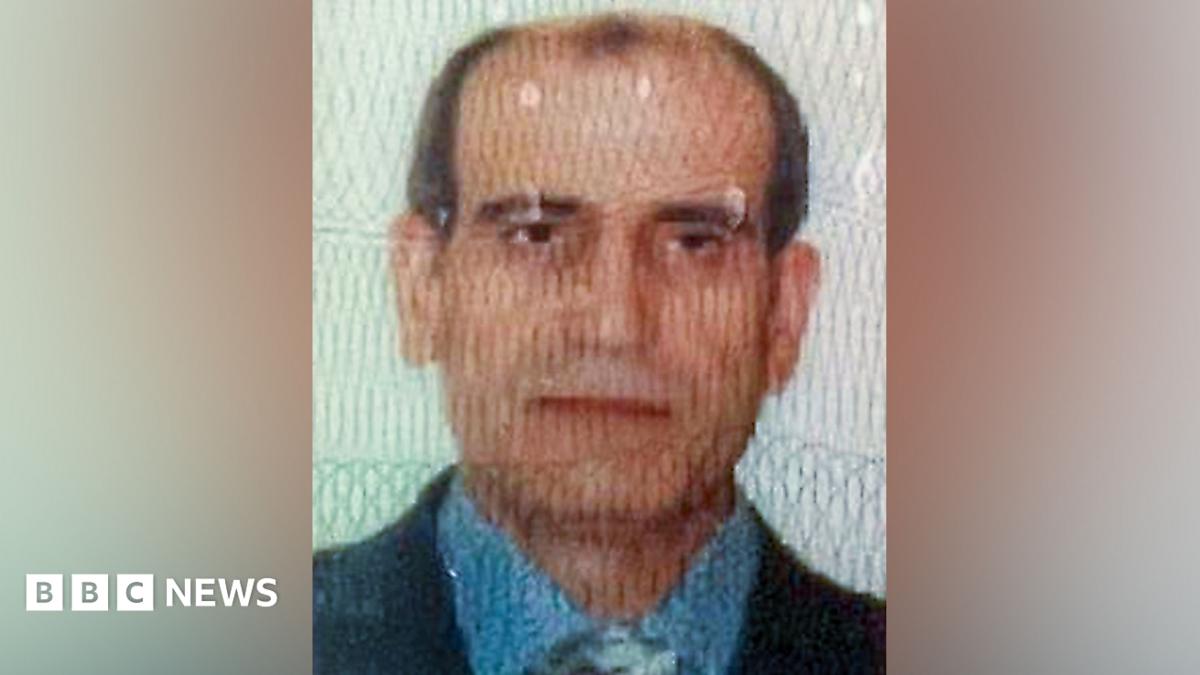
A BBC News investigation has found that Bassam al‑Hassan, a former Syrian general who oversaw the country’s chemical weapons programme and served as a senior adviser to former President Bashar al‑Assad, is being protected and financed by U.S. and Lebanese authorities. Al‑Hassan, who is wanted for crimes against humanity, has been living in Lebanon since the collapse of the Assad regime in December 2024. The BBC and U.S. broadcaster NPR discovered that the FBI, along with other U.S. and Lebanese officials, have allowed him to remain in Lebanon under an arrangement that offers him residency, protection and financial support in exchange for information about the 2012 abduction of American journalist Austin Tice. The U.S. claims the arrangement is intended to secure details about Tice’s disappearance, while Syrian officials from two branches of the new government have stated they want al‑Hassan returned to face trial, noting that U.S. authorities prefer he stay in Lebanon and that Damascus has limited influence over the matter.
The FBI declined to comment on the investigation, instead referring to a previous statement that its focus remains on establishing facts around the Tice case and securing Tice’s return. Phil Elwood, spokesperson for the Tice family, condemned the use of U.S. taxpayer money to support a man linked to chemical weapons use and alleged execution of Tice, calling it “aiding and abetting the escape of a wanted war criminal.”
The BBC podcast series *Where is Austin Tice?* examined a detailed record of a meeting between al‑Hassan, FBI and CIA representatives, and Lebanese security officials. In that meeting, al‑Hassan was offered residency, protection and assistance with living expenses in return for information, primarily about Tice. Sources confirmed that al‑Hassan receives money from U.S. authorities through an intermediary, making the payments difficult to trace. The deal is believed to have been struck in spring 2025.
Al‑Hassan is sanctioned by the U.S. government. While he has provided a potential location for Tice’s remains, a subsequent search found nothing, raising doubts about the accuracy of his information. U.S. authorities reportedly halted the dig before completion, possibly due to security concerns.
Other former regime officials linked to the Tice case have also reportedly found refuge abroad. Mohammad Makhlouf, who reported to al‑Hassan and was connected to Tice’s detention, is believed to be residing in Lebanon. Sakr Rustom, al‑Hassan’s nephew involved in Tice’s abduction, is said to move between the UAE and Lebanon. Ghassan Nassour, a former general in Syria’s Republican Guard who allegedly presided over the jail where Tice was held, is believed to live in the UAE with his family.
Following the fall of the Assad regime, al‑Hassan is thought to have initially fled to Iran. A Syrian businessman with ties to the former regime and Lebanese authorities reported that negotiations involving the U.S., Lebanon, and Iran led to al‑Hassan’s relocation to Lebanon. The businessman, who requested anonymity, said al‑Hassan was valuable not only for his knowledge of Tice but also for his insights into Syria’s chemical weapons programme and its military relationship with Iran—information of interest to U.S. intelligence. Al‑Hassan told U.S. investigators in 2023 that Tice had been executed on orders from former President Assad, though some witnesses question the details of that account.