World
AU Delegation Meets in Kigali Amid Ongoing Eastern DRC Conflict
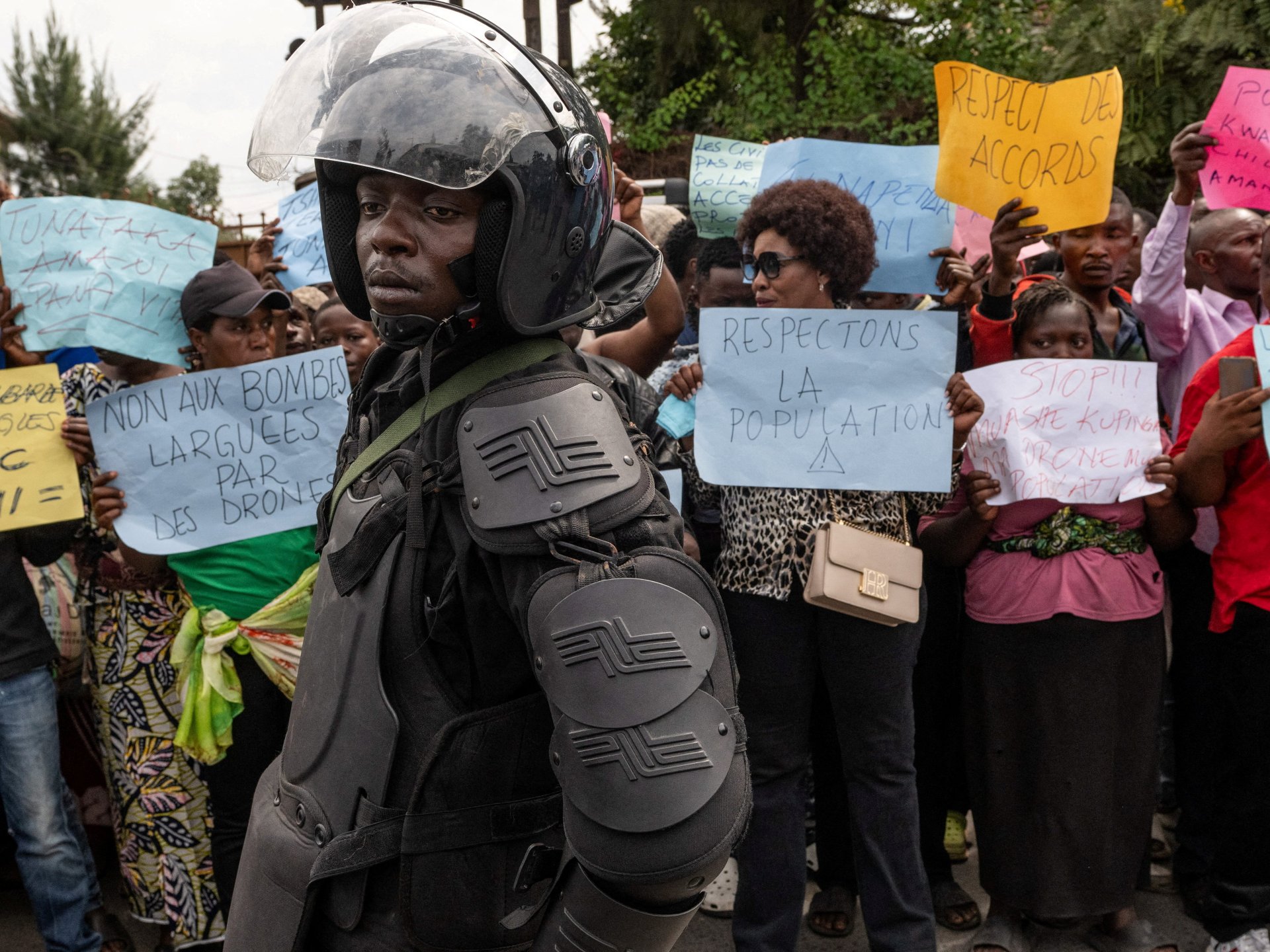
The African Union (AU) held consultations in Kigali, Rwanda, on October 6, 2026, to advance the peace process in eastern Democratic Republic of the Congo (DRC) where fighting continues. The meeting focused on implementing the Washington Peace Agreement, security arrangements, disarmament, demobilisation and reintegration of fighters, refugee protection and regional economic cooperation. The delegation consisted of former Ethiopian President Sahle-Work Zewde, former Kenyan President Uhuru Kenyatta and former Botswana President Mokgweetsi Masisi. Zewde serves as deputy chairperson of the AU Panel of Facilitators for the eastern DRC peace process.
The Kigali consultations followed meetings in Goma, eastern DRC, on October 5. The delegation met with representatives of the United Nations Organization Stabilization Mission in the Democratic Republic of the Congo (MONUSCO), the UN Office for the Coordination of Humanitarian Affairs (OCHA), the International Committee of the Red Cross (ICRC), the Expanded Joint Verification Mechanism Plus (EJVM+) and the Alliance Fleuve Congo/March 23 Movement (AFC/M23). The AU panel urged respect for ceasefire commitments, cooperation with verification mechanisms and restraint from actions that could undermine the peace process. It also stressed protecting civilians, ensuring safe humanitarian access and preventing sexual and gender‑based violence.
In Kigali, the facilitators held separate consultations with Rwandan officials and regional institutions. Discussions covered security commitments, protection of refugees and returnees, and regional economic cooperation, including mineral traceability, cross‑border trade, energy and infrastructure. The facilitators said they would continue engagements in Kinshasa to support dialogue and advance the peace process.
The consultations occur alongside parallel diplomatic efforts. The Washington Peace Agreement, signed by the DRC and Rwanda on June 27, 2025, contains security commitments to address armed groups and the presence of forces in eastern DRC. Implementation remains a central issue. At a Joint Oversight Committee meeting in June 2026, parties expressed concern over escalating fighting and called for full implementation, including commitments concerning the Democratic Forces for the Liberation of Rwanda (FDLR) and the disengagement of forces.
The Washington agreement is separate from the Doha Framework for a Comprehensive Peace Agreement, signed on November 15, 2025, by representatives of the Congolese government and AFC/M23 under Qatar’s mediation. The Doha framework provides a basis for negotiations on outstanding issues, including security arrangements and ceasefire monitoring. Subsequent discussions have focused on implementing existing commitments and negotiating remaining protocols.
The two processes address different aspects of the conflict: the Washington agreement deals with relations and security commitments between the DRC and Rwanda, while the Doha process addresses negotiations between the Congolese government and AFC/M23. Kinshasa accuses Rwanda of supporting AFC/M23, an allegation Rwanda denies. Rwanda accuses the Congolese government of supporting and arming the FDLR, which it considers a threat to its national security. The Washington agreement includes commitments by the DRC to address the FDLR and by Rwanda concerning the disengagement of its forces and the lifting of defensive measures. The parties continue to discuss how those commitments will be implemented and verified.
The continued diplomatic engagement reflects the challenges facing efforts to resolve the conflict, with security commitments and negotiations involving different parties proceeding on separate tracks. The AU’s consultations in Goma and Kigali form part of its wider mediation efforts, and their impact on security will depend on the implementation of commitments by the parties and continued engagement in the respective peace processes.
Frequently asked questions
Which former presidents were part of the AU delegation?
Former Ethiopian President Sahle-Work Zewde, former Kenyan President Uhuru Kenyatta, and former Botswana President Mokgweetsi Masisi.
What was the main focus of the Kigali consultations?
Implementing the Washington Peace Agreement, addressing security arrangements, disarmament, demobilisation, reintegration, refugee protection, and regional economic cooperation.
When did the Washington Peace Agreement get signed?
June 27, 2025.