World
Trump Remains Neutral Ahead of Israel Election
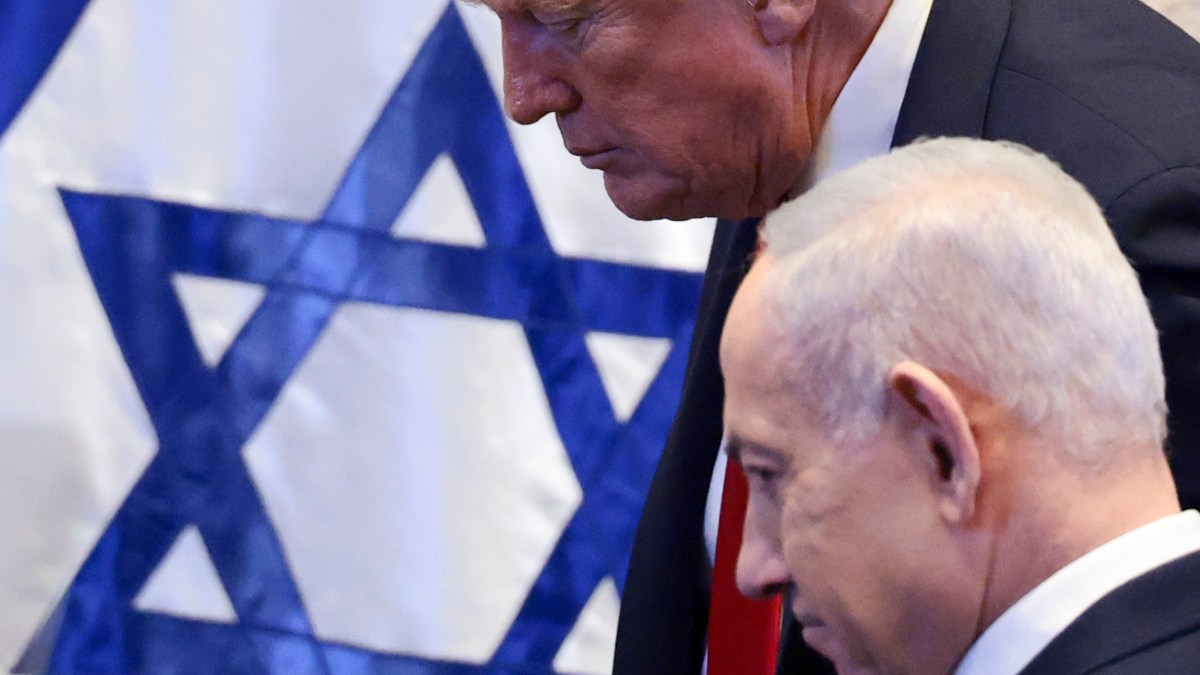
Washington, DC – President Donald Trump has not publicly endorsed Israeli Prime Minister Benjamin Netanyahu as the October 27 election approaches, despite a long history of policy support for the Israeli leader. Trump’s administration has taken actions that have bolstered Netanyahu’s political standing, including moving the U.S. embassy to Jerusalem, recognizing Israel’s annexation of the Golan Heights, withdrawing from the 2015 Iran nuclear deal, and negotiating normalization agreements with Arab states. In his second term, which began in January 2025, Trump has continued to supply advanced U.S. weapons to Israel, intensified pressure on the International Criminal Court, and engaged in a broader conflict with Iran.
During a recent interview with Time magazine, Trump avoided a direct endorsement of Netanyahu, although he defended the prime minister’s leadership following the October 7, 2023, Hamas attack on southern Israel. He also expressed a neutral stance toward Yashar party leader Gadi Eisenkot, saying, “I don’t hear bad things.”
Experts suggest Trump’s ambivalence reflects shifting political dynamics in both the United States and Israel. Yousef Munayyer, head of the Palestine/Israel programme at the Arab Center Washington DC, noted that Trump appears to be distancing himself more than expected, given their past close relationship. Michael Omer‑Man of the DAWN think tank said Trump has not abandoned Netanyahu but remains a realist, observing that his preferred candidates have won and lost elections.
Eisenkot’s platform includes a more moderate approach to settler violence in the West Bank and increased aid to Gaza, but analysts believe these changes would not significantly alter U.S. policy toward Israel. Mairav Zonszein of the International Crisis Group highlighted internal divisions within the Trump administration over Netanyahu’s government, particularly regarding U.S. actions against Iran.
Public opinion polls indicate that support for Israel among Republicans remains high, though it has declined in recent years. An Israeli Democracy Institute poll released in June found that only 44 percent of Jewish Israelis believed Israel’s security was a top consideration for Trump, down from 61 percent in March.
Netanyahu has also shifted his campaign messaging, focusing less on his relationship with Trump and more on Israel’s adversaries, such as Hezbollah, Turkish President Recep Tayyip Erdogan, and New York City Mayor Zohran Mamdani.
The election will see Netanyahu’s Likud party and its far‑right coalition face increasing competition from the Yashar party and an opposition bloc led by Eisenkot. The outcome remains uncertain as both U.S. and Israeli political landscapes continue to evolve.
Frequently asked questions
What actions did Trump's administration take that bolstered Netanyahu's political standing?
The administration moved the U.S. embassy to Jerusalem, recognized Israel’s annexation of the Golan Heights, withdrew from the 2015 Iran nuclear deal, and negotiated normalization agreements with Arab states.
What was Trump's stance on Netanyahu during his recent Time interview?
Trump avoided a direct endorsement of Netanyahu but defended the prime minister’s leadership after the October 7, 2023 Hamas attack on southern Israel.
What does the Israeli Democracy Institute poll say about Jewish Israelis' view of Trump’s support for Israel?
A June poll found that only 44 percent of Jewish Israelis believed Israel’s security was a top consideration for Trump, down from 61 percent in March.