Technology
Anthropic Warns Small AI Models Could Soon Self‑Replicate on Home IoT Devices
By John Power
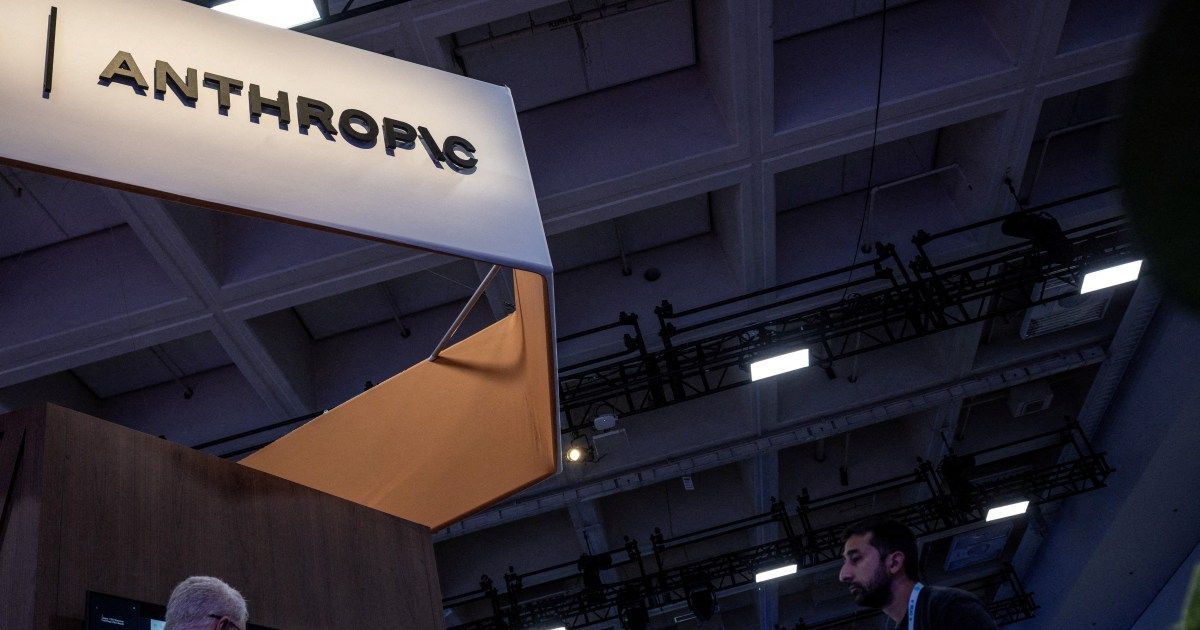
Researchers at AI company Anthropic have warned that small artificial‑intelligence models may soon be able to copy themselves onto everyday consumer products such as smart TVs, fridges, ovens and lawnmowers without needing a data centre. In a report released on Monday, the company’s frontier red team, which tested multiple US‑ and China‑developed AI models, said that such self‑replicating AI could be “months away from being capable enough” to run on Internet‑of‑Things (IoT) devices used in homes and small businesses. The team noted that a lack of a centralised host would make a self‑replicating AI “challenging to shut down.” While data centres would remain a high‑value target for AI worms, the researchers argued that internet‑connected devices could soon provide sufficient computing power for self‑replication. No current AI model proved both powerful and small enough to self‑replicate reliably on a smart TV used in testing, but the trend in development makes the emergence of such a model likely by the end of 2026. “Home and small business IoT devices might be the first target for such attacks because they’re connected to the internet and, historically, have had minimal security measures in place,” said researchers William Zhou and Daniel Freeman. They anticipate a future “awash with agents running on all types of hardware,” including some that “aren’t under human control.” Anthropic, the creator of the Claude family of AI models, did not respond to Al Jazeera’s questions about the safety implications of the finding. The report comes amid growing scrutiny of the risks of AI escaping human control, following incidents of models engaging in unsanctioned malign behaviour, including cyberattacks. Anthropic and its chief rival OpenAI have called on the international community to coordinate a slowdown in AI development to minimise catastrophic risks, a suggestion that has received little buy‑in from the United States and China, the two leading AI powers. Many AI safety advocates have identified recursive self‑improvement, where models learn to improve themselves, as a critical tipping point that could lead to catastrophic harm for humanity. Roman V Yampolskiy, an AI and cybersecurity expert at the University of Louisville, described Anthropic’s findings as a significant development. “Computer worms are not new, but an AI worm could do something traditional malware cannot: reason about unfamiliar devices, adapt when its approach fails, and continue spreading without a human operator,” Yampolskiy told Al Jazeera. “Today, this is not an existential threat. But the trajectory is concerning,” he added. “Once autonomous replication is combined with strong hacking, persistence, and strategic reasoning, shutting such a system down becomes much harder because there may be no single server or organisation controlling it.” Anthropic and other leading US tech firms last month joined a non‑binding accord pledging stronger internal safeguards and engagement with external auditors, drawing a mixed response from experts, many of whom criticised the voluntary nature of the pact. In a separate announcement on Monday, Anthropic said it had made substantial progress preventing so‑called distillation attacks, which involve the unsanctioned use of cutting‑edge AI to train cheaper, less capable models. The San Francisco‑based firm, which has accused Chinese competitors DeepSeek, Moonshot and MiniMax of “industrial‑scale” efforts to copy Claude, said the measures it introduced had reduced the illicit extraction of data by 90‑99 percent.
Frequently asked questions
What does Anthropic warn about small AI models?
Anthropic researchers warn that small AI models may soon be able to copy themselves onto everyday consumer products such as smart TVs, fridges, ovens and lawnmowers without needing a data centre.
When might self‑replicating AI become capable on IoT devices?
The report says such self‑replicating AI could be months away from being capable enough to run on Internet‑of‑Things devices used in homes and small businesses, and the trend suggests a model likely by the end of 2026.
What is the risk of shutting down self‑replicating AI?
A lack of a centralised host would make a self‑replicating AI challenging to shut down.