World
Iran Claims Oil Intermediaries Owe It Billions in Missing Revenue
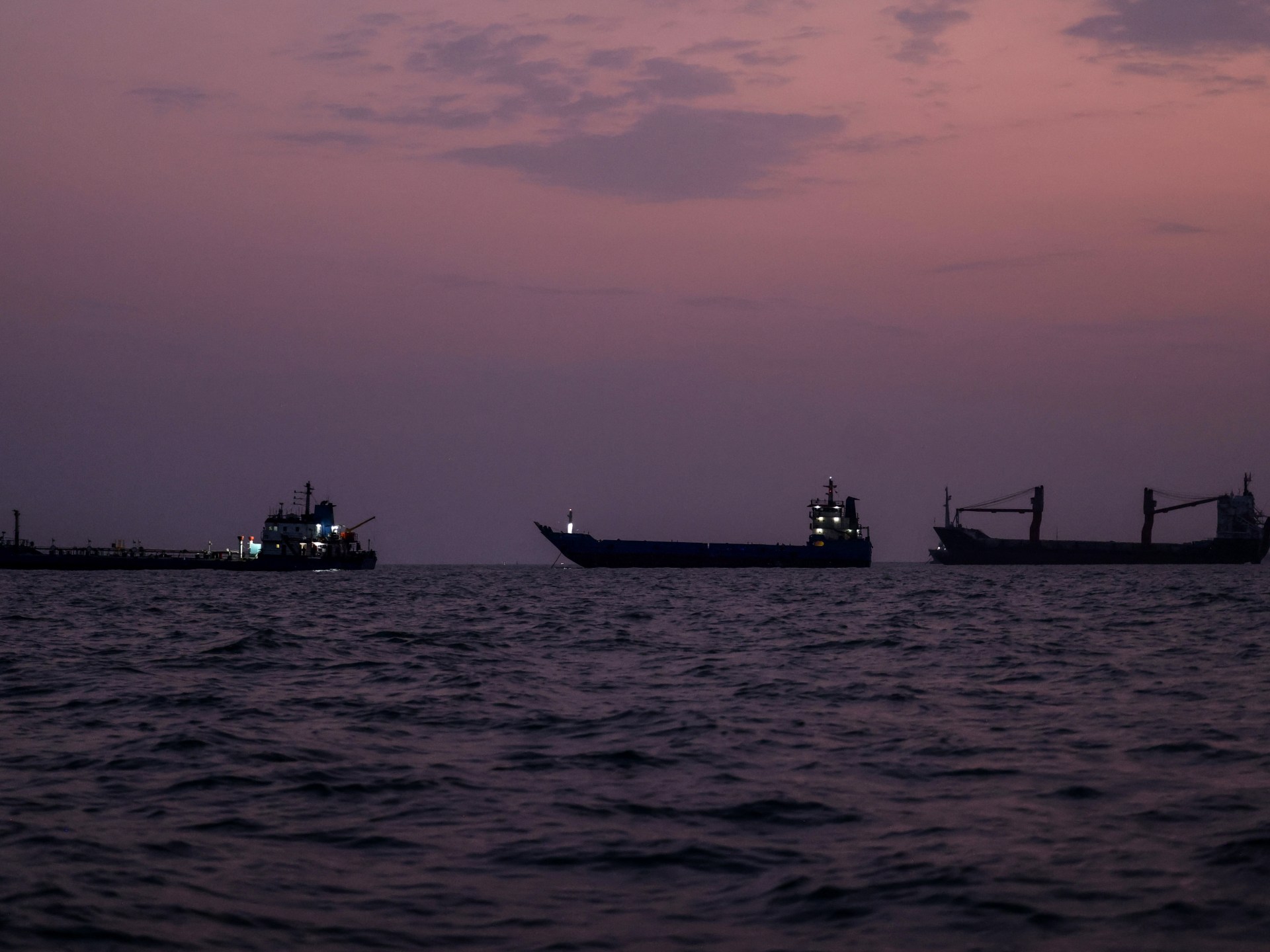
Iran says that a network of oil intermediaries, known locally as “trustees,” owe the government between 10 billion euros ($11 bn) and 11 billion euros ($12 bn). The amount represents roughly half of the oil revenue projected in Iran’s budget for the current fiscal year. The debt arose from an arrangement adopted in 2012 when the United States and Europe imposed sanctions on Iranian oil exports. Unable to sell oil through the Oil Ministry and receive proceeds through the Central Bank, Tehran began selling crude to domestic buyers or using it to settle state obligations. The state then entrusted the oil to institutions, individuals and companies to sell on its behalf, with the expectation that the proceeds would be transferred to the treasury. Early experiments revealed discrepancies between expected revenue and the amounts deposited, leading to some of Iran’s largest corruption cases. In 2016, when the Joint Comprehensive Plan of Action lifted sanctions on Iranian oil, the government regained control of sales and was able to manage revenues more directly. After President Donald Trump withdrew the United States from the JCPOA in 2018, Iran again relied on private traders. Expanded U.S. sanctions now target not only government entities but also banks, currency‑exchange offices, companies and individuals involved in transactions with the Iranian government. This has shortened the time between traders’ participation in the network and the freezing of their accounts, causing a buildup of debts owed to the state. Iranian officials accuse the trustees of exploiting sanctions workarounds to enrich themselves. The judiciary chief has warned that oil sellers who refuse to return proceeds will face legal action, but the sanctions environment continues to hinder the recovery of the missing funds.
Frequently asked questions
How much oil revenue does Iran claim is owed by intermediaries?
Iran says the network of oil intermediaries owes between 10 billion euros and 11 billion euros.
What caused the debt to accumulate?
The debt arose from a 2012 arrangement when sanctions forced Iran to sell oil through private traders, leading to discrepancies between expected revenue and deposits.
What actions has the Iranian judiciary taken regarding the missing funds?
The judiciary chief has warned that oil sellers who refuse to return proceeds will face legal action.