World
Iran Targets US‑UAE Oil Shuttle System Amid Hormuz Blockade
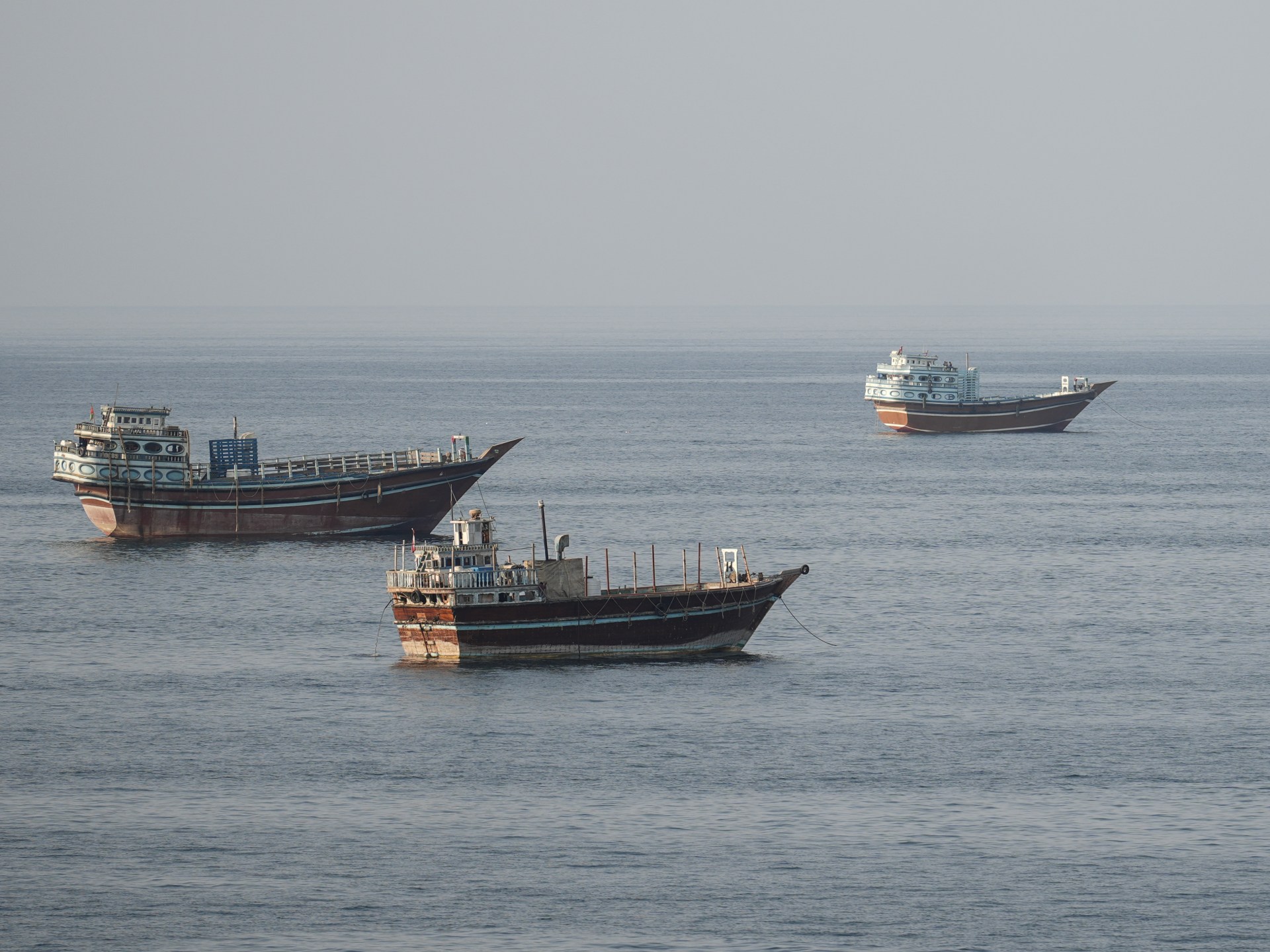
Iranian authorities have announced that they intend to disrupt a shuttle system operated by Arab states and assisted by the United States that moves crude oil beyond the Strait of Hormuz. The move comes as the U.S. Navy has opened a route for Gulf states to export oil amid an energy crisis, while Iran’s southern ports remain under naval blockade and sanctions are tightening.
Security chief Mohsen Rezaei said on Sunday night that the shuttle system is now an explicit target for Tehran. He claimed that the U.S. Central Command, with help from the United Arab Emirates military, was using smaller vessels to transfer oil to larger tankers and that Iran had been striking five or six participating vessels nightly for weeks. Rezaei warned that the strait is under Iranian control and that Iran would respond harshly if its energy and civilian infrastructure were attacked again. He also threatened U.S.-linked cables, data centres and artificial intelligence facilities in the UAE and around the strait, and accused Saudi Arabia of helping the U.S. move oil around Iran’s restrictions.
The shuttle system involves very large crude carriers (VLCCs) and smaller vessels that coordinate with the U.S. military to load crude at Arab ports and use southern corridors near Oman to exit the strait. Vessels often switch off transponders and travel at night to minimise the risk of Iranian attacks. Multiple vessels were targeted overnight Sunday to Monday, including two outbound tankers and one in anchorage near Oman’s port city of Sohar, where ship‑to‑ship transfers are alleged to occur.
The IRGC has also highlighted naval mines planted across the strait since the war began, claiming three tankers suffered major damage over the weekend after being struck by mines and releasing footage of a ship ablaze that is said to have been hit by a mine.
Windward data shows that 31 ships transited the Strait of Hormuz daily in the final week of September, compared with 138 before the war. In the third quarter of 2026, 87 percent of the 45 ships targeted by Iran were tankers, 47 percent belonged to Gulf Arab energy companies’ national shipping fleets, and 93 percent of the strikes occurred in the strait. Most attacks targeted vessels transiting the southern corridor with transponders turned off.
Freight costs have risen sharply, representing 25‑30 percent of Gulf crude’s cost versus 1‑3 percent before the war, according to Windward. National oil companies have offered discounts of up to $35 per barrel below official selling prices. The shortage of tankers willing to make the dangerous crossing has left 15‑20 percent of VLCCs tied up in an inefficient logistics system that relies on shuttle transfers.
"The more effective the route has become in facilitating the transport of oil and gas, the less leverage Iran has over Hormuz, and more attacks we are seeing on vessels that are using that southern corridor," said Michelle Wiese Bockmann, a senior maritime intelligence analyst at Windward. "This is having cascading impacts for all vessel classes on freight and values across the world."
Frequently asked questions
How many ships did Iran target in the third quarter of 2026?
Iran targeted 45 ships in the third quarter of 2026.
What percentage of the ships targeted by Iran were tankers?
87 percent of the 45 ships targeted by Iran were tankers.