Auto
EU Caps Chinese Hybrid EV Imports at 350,000 Units Annually
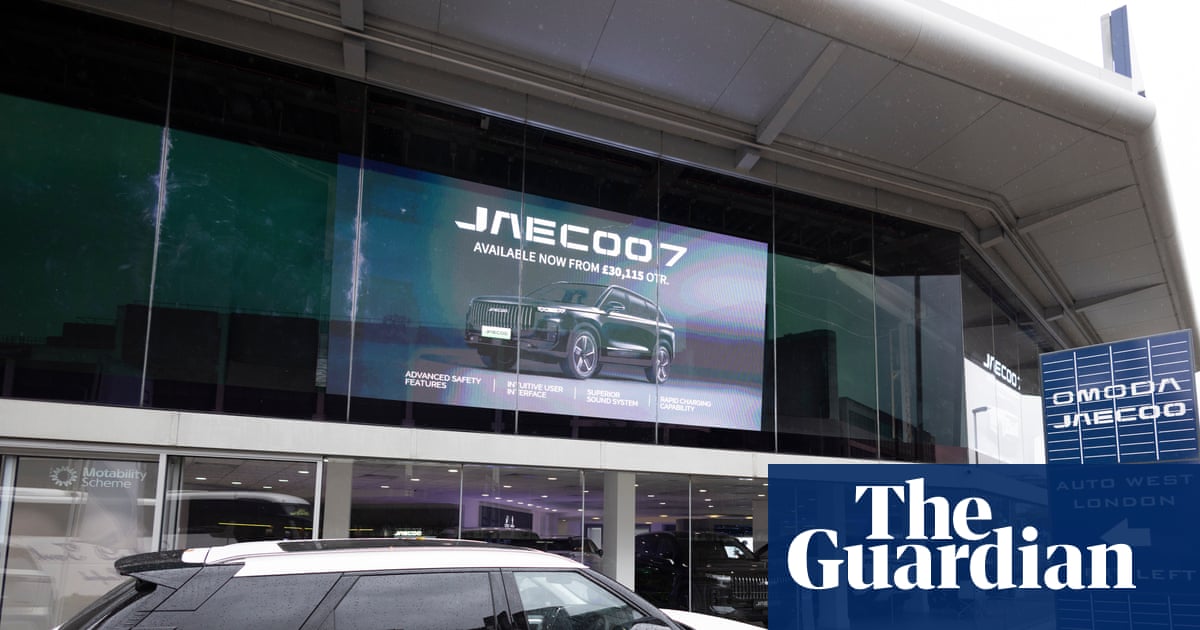
The European Commission has confirmed that it will limit the annual import of hybrid electric vehicles from China to 350,000 cars, a measure that will take effect in December. Imports of battery and plug‑in hybrids have risen sharply over the past two years, with about 800,000 vehicles expected to be sold this year. The quota is expected to reduce China’s market share in the EU from its current 6% to half that level. The limit will be enforced under World Trade Organization safeguard measures, allowing swift implementation without the investigations required for anti‑dumping actions. Vehicles imported above the quota will not face tariffs but will be held at European customs docks. Cars assembled within the EU, such as those produced in Hungary or future Spanish plants, will not be subject to the quota, while EU companies manufacturing cars in China will be. As part of the agreement, China has agreed to reduce tariffs on auto parts and cut duties by half on EU footwear, olive oil, and ice‑cream. Officials said the quota is fully supported by China, and further dialogue on cars and other imports—including chemicals, renewable energy, and furniture—will continue. “We will continue the dialogue on some products … this is by no means the end of the story,” an official said. Last month the EU requested feedback on a rule that could require companies to diversify supply chains, while the Made in Europe legislation would do the same for public procurement. On Thursday, EU leaders will discuss a French‑German proposal for a “kill switch” that would allow Brussels to block access to the single market for certain goods in the event of a harmful event, such as a ban on rare earths vital to tech and automotive industries. The hybrid EV deal comes amid concerns over the EU’s €1.18 billion daily trade deficit with China. Previously, the EU’s strategy to address what it calls an “unsustainable” trade imbalance involved increasing imports to China, but a “paradigm shift” has occurred, with worries about deindustrialisation and job losses prompting a renewed focus on curbing imports rather than boosting exports. “We are closely surveilling our imports. We know what’s coming in. We know where there’s a surge, and we know what hits the hardest in terms of our deindustrialization,” an official said.