Health
NZ Boosts Mental Health Telehealth Services After Review Finds Long Wait Times
By Chris Lynch
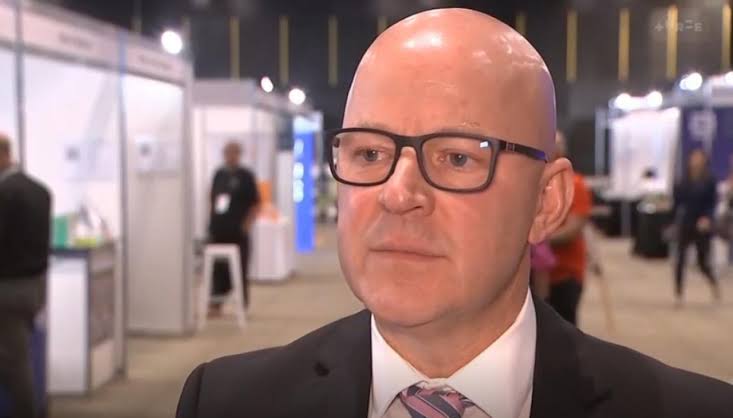
The Government is broadening mental health telehealth services following an independent review that found many people were waiting too long to receive support. Mental Health Minister Matt Doocey announced several changes, including longer peer support hours through the 1737 helpline, a new pilot programme for follow-up calls to people in acute distress, and plans for a dedicated national suicide prevention crisis line operating 24 hours a day. The Government has accepted every recommendation made in the independent review of mental health and addiction telehealth services. According to Doocey, the review confirmed that essential safety measures were functioning well, including triage systems, risk assessments, escalation procedures and clinical oversight. However, he noted that further improvements were required. "Too many people are not getting through quickly enough, and we do not always have enough visibility of what happens after someone is referred or escalated to another service," he said. Under the changes, 1737's peer support service will extend its hours from the current 2pm-to-10pm window to 9am until midnight, seven days a week. Five extra full-time peer support workers will be hired, with the expanded service expected to manage an additional 15,000 to 20,000 contacts annually. Health New Zealand will also commission Whakarongorau to trial a follow-up call programme reaching up to 1,000 people who have experienced acute distress after their first telehealth contact, to assess whether extra contact improves ongoing care and support. The review additionally identified a gap in the system: no clearly defined, round-the-clock national suicide prevention crisis line existed within the commissioned telehealth network. Health New Zealand plans to address this through its upcoming procurement process for national mental health and addiction telehealth services. Doocey has also requested advice from officials on establishing a specific telehealth target to cut waiting times. "We are clear, and there are no exceptions to the rule; when someone reaches out for help, they should be able to access the support they need without waiting too long," he said. These initiatives build on the Government's earlier pledge of more than $10 million in telehealth funding, which is expected to generate roughly 20,000 additional mental health and addiction contacts through phone, text and digital platforms. Lifeline, Youthline and Whakarongorau are among the services receiving funding from that investment. Doocey attributed recent delays to rising call volumes, increasingly complex cases, and periods of peak demand, which have made it harder for some people to connect with services. "Telehealth services are often the first place people turn when they need support. When someone reaches out, they deserve to know they will be heard, supported and connected to the right help," he said. He encouraged anyone needing mental health or addiction support to continue seeking help while the system undergoes improvement. "My message to New Zealanders is simple: if you need mental health or addiction support, please keep reaching out. These services are there to help, and we are working to make sure they respond faster."