Law & Justice
Supreme Court Grants Victims Right to Request Speedy Trials
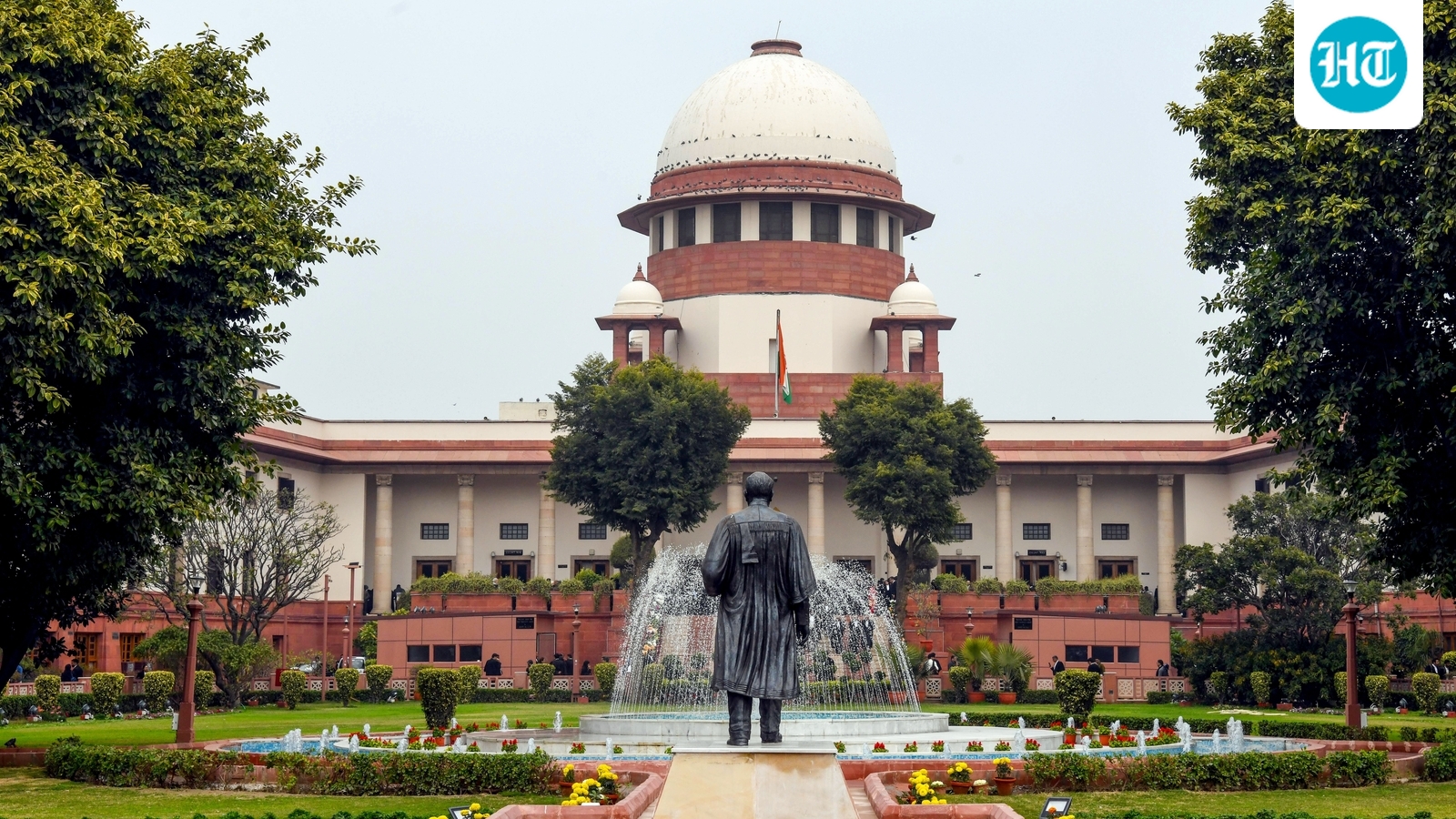
The Supreme Court has overturned a Delhi High Court ruling that dismissed a victim’s plea for a faster criminal trial and imposed a ₹10,000 fine on her. In a judgment delivered last week, Justices Ujjal Bhuyan and Atul S. Chandurkar held that victims of crime are “definite stakeholders in the criminal justice system” and have an independent right to seek an expeditious and fair trial. The court clarified that a victim can invoke Section 528 of the Bharatiya Nagarik Suraksha Sanhita (BNSS), which preserves the high court’s inherent powers, to obtain directions for swift proceedings before a trial court.
The case originated when Renuka Jain filed an FIR in 2017 at Delhi’s Farsh Bazar police station, accusing the named persons of cheating under Section 420 of the Indian Penal Code. After a chargesheet was filed, the case was registered before a judicial magistrate at the Karkardooma district courts. Frustrated by the delay, Jain approached the Delhi High Court in February 2023, which directed the trial court to conclude the proceedings within two years of framing charges. When the trial made little progress, she filed a fresh petition under Section 528 of the BNSS, seeking an order for expeditious disposal. The prosecution challenged her locus standi, and the high court accepted the objection, describing her plea as frivolous and imposing a ₹10,000 cost.
The Supreme Court rejected the high court’s approach, stating that it had fundamentally misread the law and the constitutional position of a victim in criminal proceedings. It set aside the January 6, 2026, order and directed the trial court to conclude the case within one year.
The bench examined relevant provisions of the BNSS and the Code of Criminal Procedure (CrPC). Section 2(y) of the BNSS defines a victim as a person who has suffered loss or injury because of the act or omission of the accused, including the victim’s guardian or legal heir. The court also referred to Sections 338 and 339(2) of the BNSS, corresponding to Sections 301 and 302(2) of the CrPC, which govern the conduct of prosecution and the circumstances in which a person other than the public prosecutor may conduct it. These provisions demonstrate that a victim is not a stranger to criminal proceedings.
The court cited earlier rulings that support a victim’s right to a speedy trial. In Mangal Singh v. Kishan Singh (2009), the Supreme Court recognised that delay can cause acute suffering to victims, sometimes greater than that experienced by the accused. Rattiram v. State of Madhya Pradesh (2012) stressed that speedy trial is not an exclusive right of the accused and that preventing delay is a sacrosanct obligation of those responsible for administering criminal justice. In Keshvendra Singh v. Shankar Singh (2026), the court warned that prolonged delays can undermine evidence, make witnesses less forthcoming and weaken the administration of justice.
The Supreme Court’s decision affirms that a victim’s statutory recognition under the BNSS is consistent with the constitutional guarantee of a speedy trial and clarifies that a victim’s role extends beyond reporting a crime or appearing as a prosecution witness. The ruling underscores that criminal justice cannot be viewed solely through the competing rights of the accused and the prosecution, and that the interests of those who have suffered the alleged offence must also be protected.