World
King Felipe VI’s Visit Highlights Spain‑Morocco Dispute Over Ceuta and Melilla
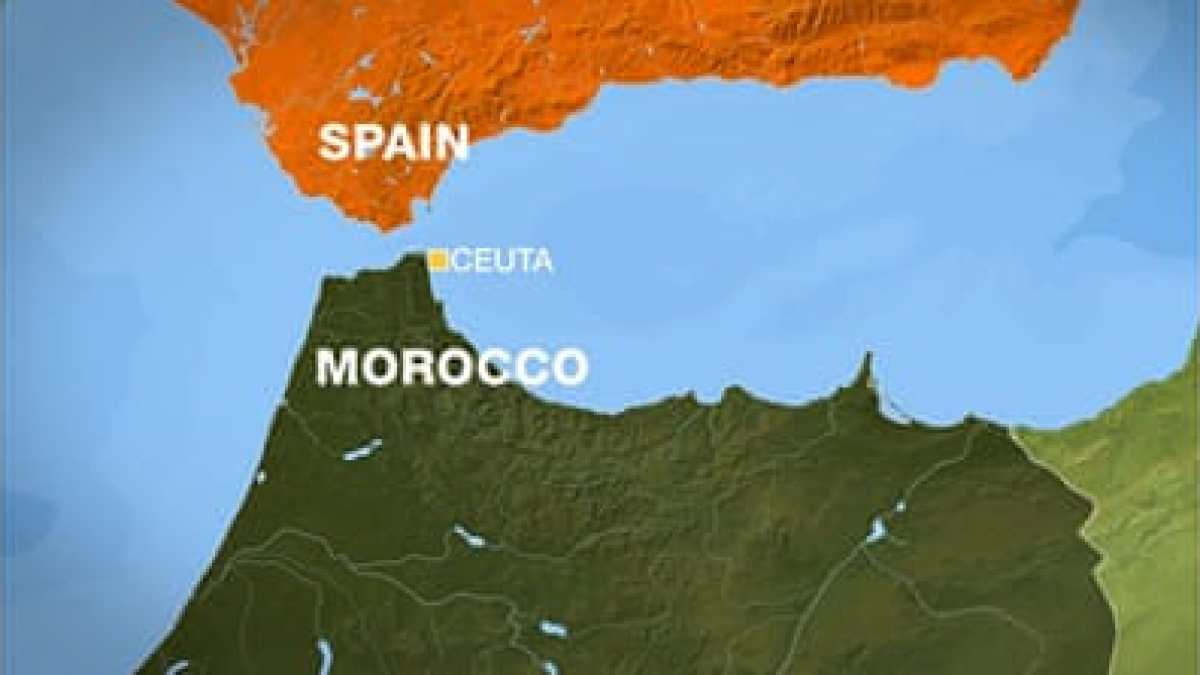
Spain’s King Felipe VI and Queen Letizia will visit Ceuta on October 13 and Melilla the following day, marking the king’s first trip to either city since he ascended the throne in 2014. The visit follows a major migration crisis at the Ceuta border in July and brings the long‑standing dispute between Spain and Morocco over the two North African cities back into focus.
Spain considers Ceuta and Melilla part of its territory, while Morocco regards both cities and several smaller Spanish‑held territories in North Africa as part of its own territory. The city on the southern side of the Strait of Gibraltar is called Ceuta in Spanish and Sabta (commonly written Sebta in Latin script) in Arabic.
The name Sabta predates modern Spain and Morocco. Spain’s Ministry of Culture links Sabta with present‑day Ceuta and traces its history through successive periods of Idrisid, Umayyad, Taifa, Almoravid, Almohad and Marinid rule. The Spanish form Ceuta evolved from earlier versions of the name; Sabta and Ceuta are different linguistic forms of the same city.
Ceuta passed through several political and dynastic systems in the Maghreb and al‑Andalus. It was under the Idrisid dynasty, then taken by the Umayyad Caliph Abd al‑Rahman III in 931, linked to the Taifa of Málaga in the 11th century, and later came under the Almoravids, Almohads and the Marinids. By the early 15th century it was under Muslim rule until 1415.
On 21 August 1415 Portuguese forces led by King John I captured Ceuta, ending more than seven centuries of Muslim rule. Ceuta remained Portuguese for more than two centuries. Portugal and Spain were ruled by the same monarchy from 1580 to 1640. When Portugal restored its independence in 1640, Ceuta remained under the Spanish monarchy, and the 1668 Treaty of Lisbon, which formally recognised Portuguese independence, left Ceuta in Spanish hands.
Morocco’s claim is based on the city’s history and geography. Ceuta lies on the North African coast, surrounded by Morocco on its landward side. Morocco has claimed Ceuta and Melilla since gaining independence in 1956 and regards the two cities as occupied Moroccan territories. Spain, under its Statute of Autonomy, describes Ceuta as an integral part of the Spanish nation and gives the city its own system of self‑government.
The dispute is therefore about sovereignty, not administration. Morocco says Ceuta should form part of Moroccan territory; Spain says its sovereignty over the city is established and Ceuta is part of Spain. Neither side has accepted the other’s position.
The historical record does not provide a simple answer. The political systems that ruled Ceuta before 1415 were not nation‑states with today’s borders, and the city’s current status is based on centuries of subsequent Portuguese and Spanish rule. Morocco’s territorial claim dates from the period after independence in 1956, but Spain has continued to exercise sovereignty over Ceuta.
In Morocco, Sebta (or Sabta) is the Arabic name for Ceuta and predates the modern sovereignty dispute. Using Sebta is not automatically a political statement; it is simply the Arabic name. The choice of name can have political resonance because Morocco disputes Spanish sovereignty over the city.
Melilla’s history differs from Ceuta’s. Spanish forces took control of Melilla in 1497 when it was incorporated into the Crown of Castile. Ceuta was first Portuguese before remaining under the Spanish monarchy after Portugal regained its independence. Today, both cities are Spanish autonomous cities, and Morocco claims sovereignty over both.
Ceuta’s importance today goes beyond its size. It is part of Spain but is not included in the European Union customs territory. Its border with Morocco is also an external border of the Schengen area, making Ceuta a focal point for migration and border policy as well as a recurring issue in relations between Madrid and Rabat. The issue returned sharply to the headlines on 30 July when more than 72,000 migrants entered Ceuta from Morocco, according to Reuters. Felipe’s planned visits to Ceuta and Melilla are putting the two disputed cities back in the spotlight.
Frequently asked questions
When did King Felipe VI visit Ceuta and Melilla?
He visited Ceuta on October 13 and Melilla on October 14.
Why is the king’s visit significant?
It brings the long‑standing Spain‑Morocco sovereignty dispute over Ceuta and Melilla back into focus, especially after a July migration crisis.
What is the basis of Morocco’s claim to the cities?
Morocco bases its claim on the cities’ history and geography, asserting they are occupied Moroccan territories since independence in 1956.