World
US Sanctions Threaten ICC’s Functionality, Calls for Immediate Protective Measures
By Sergey Vasiliev, Triestino Mariniello
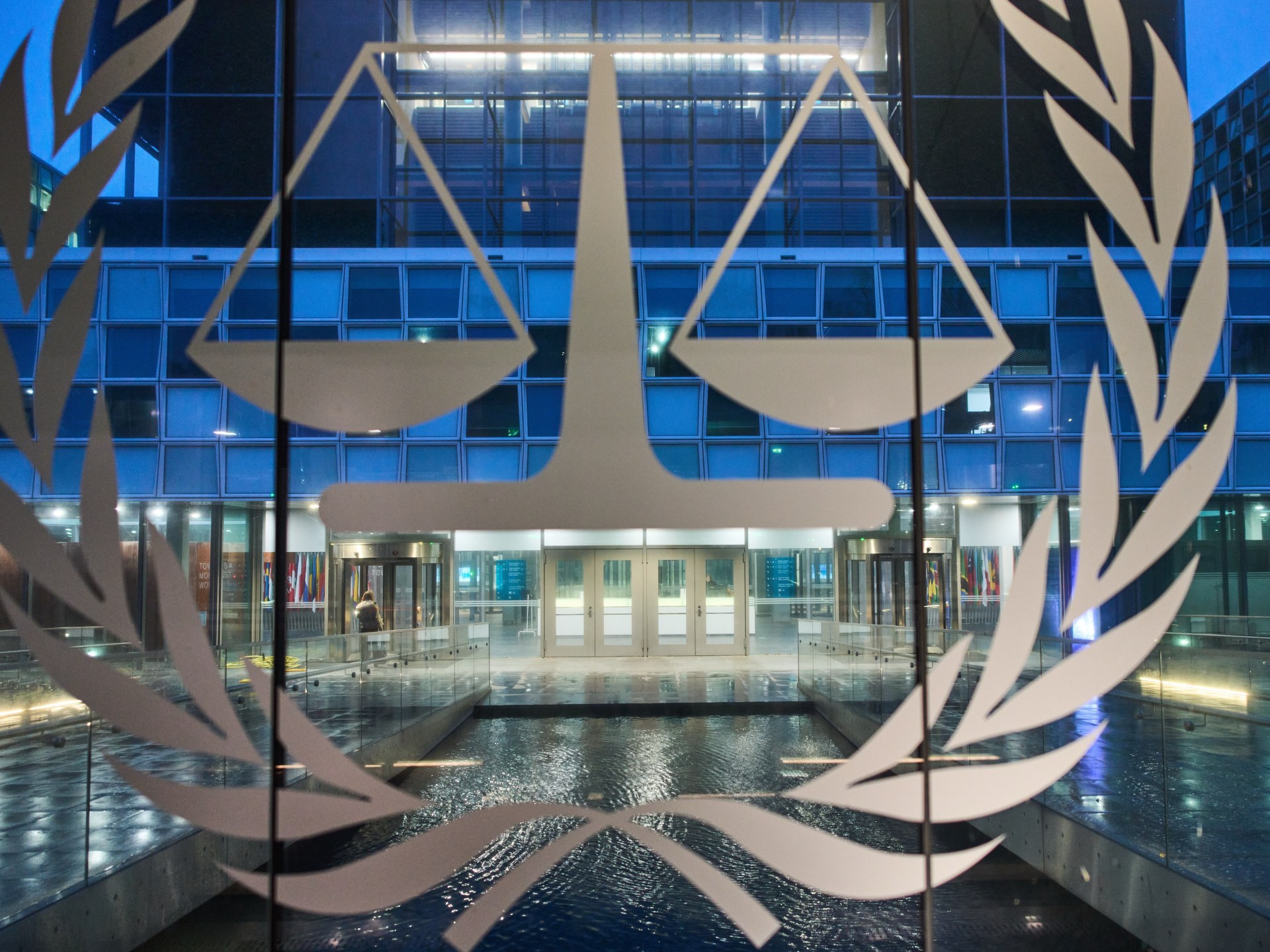
The United States has imposed sanctions on the International Criminal Court (ICC), blocking the court’s assets and property interests in the U.S. and in the possession or control of U.S. persons. U.S. individuals and companies are prohibited from doing business with the ICC, and U.S. banks, insurers, IT firms and other businesses cannot supply the court with goods or services or receive payments without risking penalties. Many non‑U.S. businesses may over‑comply and withhold services out of fear of being sanctioned themselves, potentially paralyzing the ICC’s investigative and prosecutorial activities.
The sanctions include a 180‑day “grace period” that allows States Parties to maintain or wind down ICC operations. During this period, States Parties can continue to make payments to the ICC, pay salaries, health insurance and medical services for employees or contractors, and cover rent, utilities and routine services. Separate licences permit certain telecommunications, cloud and software services, the processing of ICC pension payments, and services needed for specified ICC detainees.
After the sanctions announcement, many States Parties reaffirmed their support for the court and criticized the U.S. However, the article argues that declarations alone cannot protect the ICC. The European Union has repeatedly stated that the ICC is a cornerstone of international justice and that its independence must be protected. On October 10, EU High Representative Kaja Kallas reiterated that attacks or threats against the court, its officials, and those cooperating with it are “not acceptable.” Despite these statements, the EU has remained passive, reportedly out of fear of further antagonizing the U.S. and triggering tariffs.
The article contends that the U.S. objective is to destroy the court and that any dialogue under these coercive conditions could lead to pressure on the ICC to retreat from its mandate in Palestine in exchange for sanctions relief. Accepting U.S. demands, such as sacrificing the Palestine investigation, would undermine the court’s independence and impartiality.
The author calls for urgent action: States Parties must defend the ICC and secure its ability to function, publicly commit to increasing the ICC’s budget, and adopt legal measures to shield the court, its officials and those cooperating with it from the extraterritorial effects of U.S. sanctions. These protections should also extend to Palestinian civil society organisations. The EU should immediately activate its Blocking Statute to prohibit EU operators from complying with U.S. sanctions. Member States and MEPs have urged the European Commission to extend this legislation to anti‑ICC sanctions. States Parties must also finalize arrangements for alternative banking, payment and digital infrastructure to ensure uninterrupted access to essential services.
The article concludes that if the international community stands by while the U.S. dismantles the ICC, the ability of any international or national court to operate without fear or favour will become impossible. The views expressed are the authors’ own and do not necessarily reflect Al Jazeera’s editorial stance.
Frequently asked questions
What does the U.S. sanction on the ICC prohibit?
The sanctions block the ICC’s assets and property interests in the U.S., and U.S. individuals and companies are prohibited from doing business with the ICC, including supplying goods or services or receiving payments.
What is the purpose of the 180‑day grace period?
It allows States Parties to maintain or wind down ICC operations, continue payments, salaries, health insurance, medical services, rent, utilities, routine services, and obtain licences for certain telecom, cloud, software services, pension payments, and services for specified detainees.
How has the EU responded to the U.S. sanctions?
The EU has stated that the ICC is a cornerstone of international justice, that attacks or threats against the court are not acceptable, and has called for activating its Blocking Statute to prohibit EU operators from complying with U.S. sanctions, but has remained passive due to fear of antagonizing the U.S.