World
Houthis Blamed for Missile Strike on Riyadh Airport, Saudi Arabia Threatens Retaliation
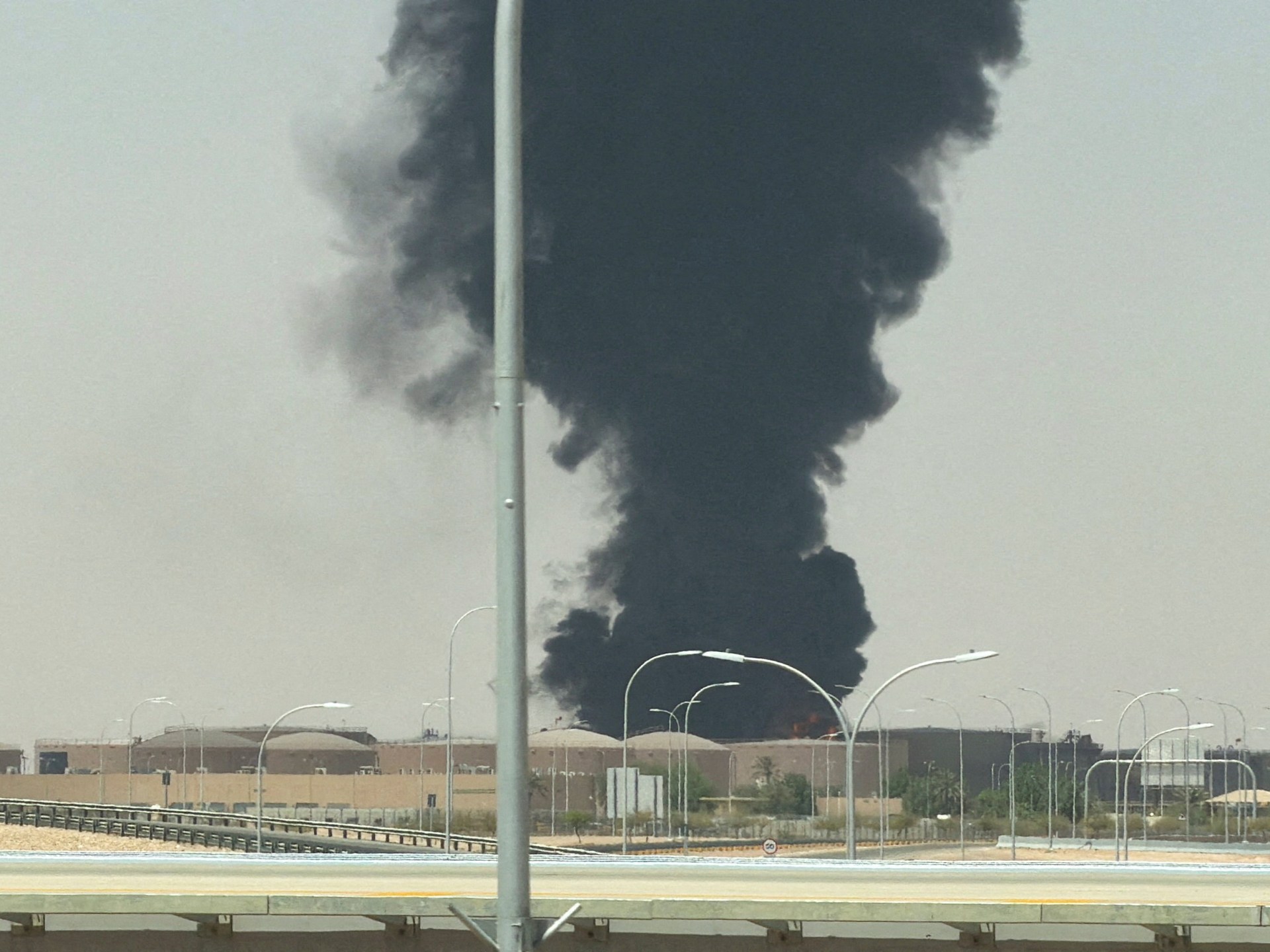
The Saudi-led coalition has accused Yemen’s Iran‑backed Houthi group of launching a missile that struck King Khalid International Airport in Riyadh on Saturday. The attack killed 12 people and wounded 309 others, including four Saudi nationals, two Bangladeshis and one citizen each from the United States, Egypt, Jordan, Syria, Palestine and Sudan. The incident is the deadliest attack on Saudi Arabia in more than a decade.
Saudi authorities described the strike as a “full‑fledged war crime” and said the kingdom would “firmly” retaliate. Major‑General Turki al‑Malki, a coalition spokesman, posted the statement on X. The Houthis have not claimed responsibility but issued a warning on Sunday to airlines, airport workers and travellers not to use Saudi airports or airspace, citing failed interceptions by Saudi forces.
The missile strike disrupted airport operations, leading to flight cancellations and a week of remote learning for schools across Riyadh. A projectile also fell near King Fahd International Airport in Dammam, according to coalition officials.
The incident comes amid escalating fighting between the Houthis and Saudi‑backed Yemeni government forces after the collapse of a UN‑brokered ceasefire that had been in place since 2022. The conflict has raised concerns about a wider regional confrontation. U.S. President Donald Trump called the attack “terrible” and said the United States could join Saudi military operations against the Houthis.
The Houthis have carried out a series of missile and drone attacks on Saudi airports, military installations and oil facilities, including strikes on King Abdullah bin Abdulaziz Airport in Jizan, Najran International Airport, Abha Airport and Riyadh Airport. They also claimed to have targeted an Aramco refinery in Rabigh, though Saudi authorities have not confirmed the claim.
In addition to air attacks, the Houthis have imposed a maritime embargo on Saudi Arabia and have intensified operations in Yemen’s Taiz and other governorates. Yemeni government forces have reported destroying Houthi ammunition dumps and vehicles, and have claimed to have killed 1,150 Houthis in nearly 2,000 targeted operations.
The attack has drawn condemnation from the United States, the United Nations and several other countries. U.S. Secretary of State Marco Rubio confirmed an American was among those killed and condemned the attacks. UN Secretary‑General António Guterres also condemned the strike, citing violations of international law.
Pakistan’s Prime Minister Shehbaz Sharif described the attack as “heinous” and reaffirmed Islamabad’s commitment to Saudi security. On October 5, Turkey, Pakistan and Saudi Arabia agreed to activate deterrence measures under a mutual defence pact to counter Houthi attacks.
Trump has indicated that the United States may consider military involvement, but no decision has been announced. Washington has already provided intelligence sharing and planning assistance for the latest Saudi‑backed offensive, though it has not directly participated in coalition air strikes since the 2021 shift in U.S. policy.
Frequently asked questions
How many people were killed and wounded in the missile strike on King Khalid International Airport?
12 people were killed and 309 were wounded.
Which countries' citizens were among those wounded in the attack?
Four Saudi nationals, two Bangladeshis, and one citizen each from the United States, Egypt, Jordan, Syria, Palestine, and Sudan.
What was the Saudi response to the missile strike?
Saudi authorities described the strike as a “full‑fledged war crime” and said the kingdom would “firmly” retaliate.