World
NSW Extends Police Drone Trial in Moree Amid Criticism from Aboriginal Legal Service
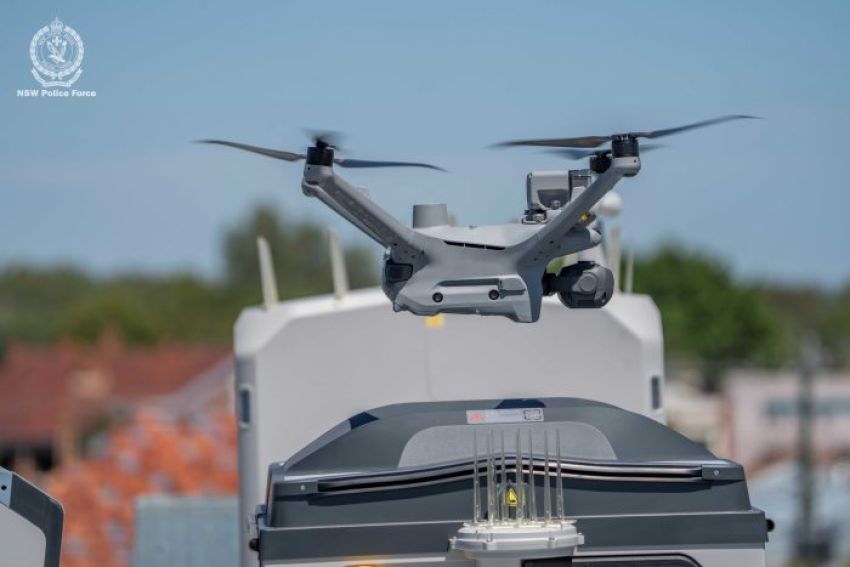
The Chris Minns Labor government has approved a two-year extension of a NSW Police drone surveillance program in Moree, on Gomeroi Country, despite not having completed any formal assessment of the program's effectiveness in reducing crime.
The program, known as "PolAir Remote," was first introduced in January as a six-month trial without prior public consultation. NSW Police have since pushed for the program to be expanded to other regional areas, though no evaluation of its impact has yet been released.
Police Minister Yasmin Catley announced the extension on August 27. During budget estimates the following day, she stated the government was still "evaluating" the program and that a business case for its expansion would be released in September. Catley told a Nationals MLC, Sarah Mitchell, that the Moree trial had been "very successful" and that additional pilots would need to be recruited to run the drones around the clock, which would add significant operational costs. She said the police evaluation of the program would not be made public.
The Aboriginal Legal Service NSW/ACT (ALS) has strongly criticised the decision. Acting chief executive officer Sharif Deen said community members reported that drones stationed at Moree Police Station were frequently deployed over predominantly Aboriginal parts of the town, generating fear among residents.
The NSW government cited a survey of 516 community members as evidence supporting the rollout, noting that 85% reported no perceived negative impact from the drones and 83% felt the technology improved safety. However, the government acknowledged that no consultation had taken place with Aboriginal stakeholders. Greens MLC Sue Higginson said police officers themselves had been asked to take part in the survey.
Deen said the ALS was "blindsided" by the government's decision to continue what he called an "unproven, controversial technology," adding that testing such surveillance in Moree effectively targets a small community with a significant Aboriginal population and little ability to object.
"We have serious questions about whether this use of police drones is compatible with people's right to privacy and whether current laws provide adequate protections amid this new form of surveillance," Deen said, arguing these questions should be addressed before the program is extended or expanded further.
He questioned why such an intrusive policing method was being trialled on First Nations communities that already face intergenerational disadvantage linked to Moree's history of racial segregation, discrimination and over-policing.
Deen noted that this was not the first instance of Moree receiving what he described as "special treatment," referencing a $13 million law-and-order initiative launched in the town in March 2024 targeting Aboriginal youths aged 14 to 17. That package included youth bail accommodation, support services, efforts to connect young people with community networks, increased police attention, and after-hours programs run jointly by local councils and Aboriginal community organisations.
While crime rates in Moree have dropped, Deen attributed this to active community mobilisation rather than the drone program. He expressed concern that police might later claim the decline was a result of the surveillance trial in order to justify its expansion.
Deen predicted that if the program is expanded, likely early targets would include Walgett, Bourke and Kempsey — towns with high Aboriginal populations. He noted that the drone program comes as the number of Aboriginal prisoners in the state reaches historic highs.
"The premier is presiding over the worst justice system failure we've ever seen in NSW and he seems determined to make it even worse," Deen said. "At the end of the day, police drones won't do anything to prevent crime, or make communities safer."