World
Sanaa Faces Renewed Air Strikes as Yemen Government Launches Offensive
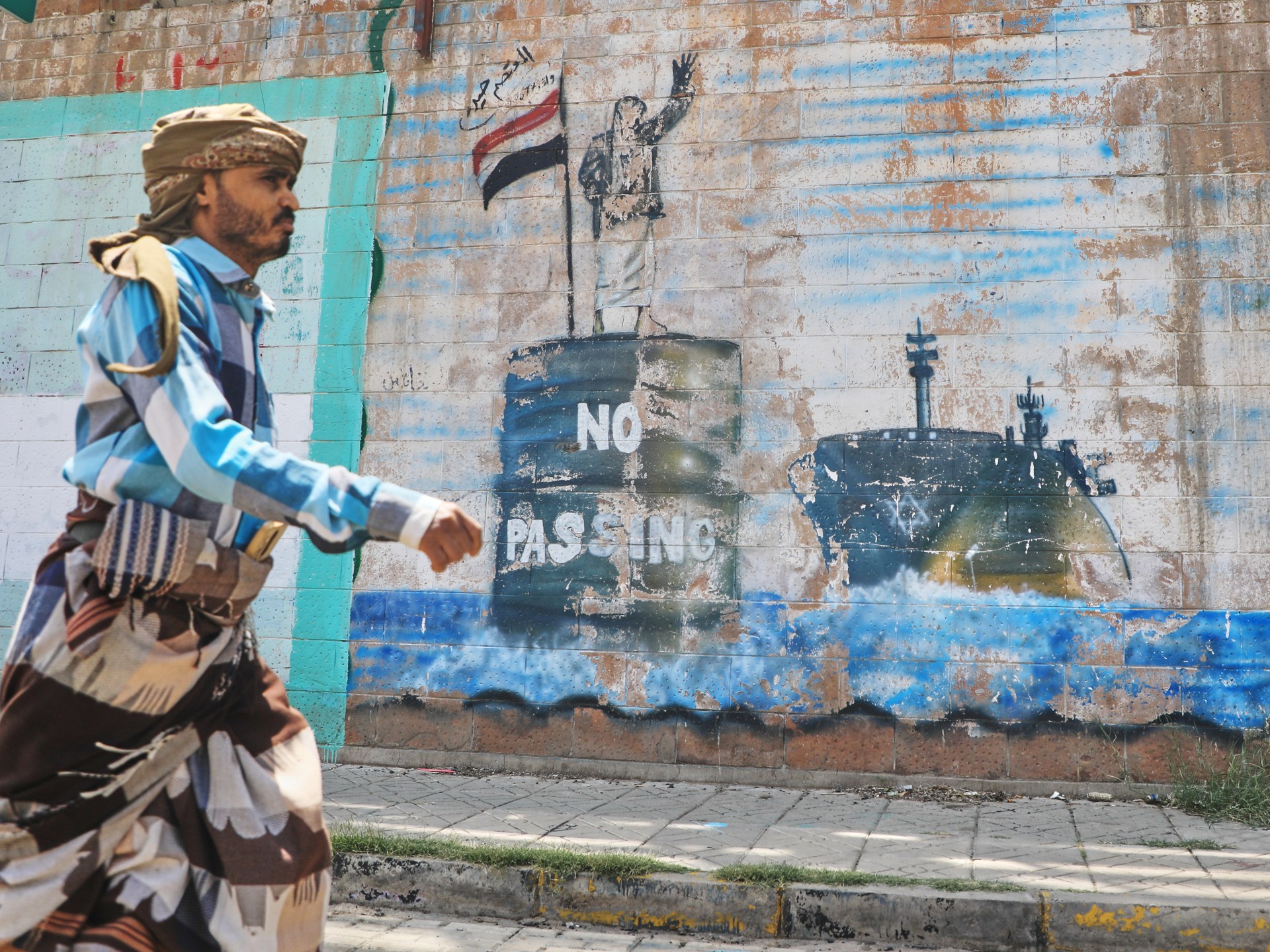
At midnight on Tuesday, air strikes struck Yemen’s capital Sanaa, a city that had largely avoided bombing since a 2023 truce between the internationally recognised government and the Houthis. The head of Yemen’s Presidential Leadership Council, Rashid al‑Alimi, announced a new military offensive, Operation Dawn of Yemen, aimed at retaking Sanaa from Houthi forces that have controlled the city since September 2014. Government ground troops are still hundreds of miles away, fighting the Houthis on the west coast and around Taiz, so attacks on Houthi positions in Sanaa must come from the air. The campaign has already caused civilian casualties. An air strike on Monday hit a location in the Sa’wan area of Sanaa governorate, killing a child and wounding seven other civilians. The government has pledged to continue its attacks until it achieves its objectives, notably the recapture of Sanaa.
Residents fear that the city, far from the front lines, will become a war zone again. Ghamadan Abood, a 30‑year‑old courier, said the new wave of attacks has heightened fear among residents. “When I learned about the new operation on Sunday, my feeling of security shrank,” he told Al Jazeera. “At any time and anywhere, air strikes may hit, and civilians could become the next casualties.” On Monday, Abood was travelling on his bike when air strikes hit Sa’wan, just two kilometres from where he was.
The Houthis have also targeted Saudi Arabia, striking King Khalid International Airport in Riyadh and killing 12 people. The Saudi‑led coalition said Sanaa, Saada, and Amran were among the primary sources of Houthi missile threats and that ongoing operations aim to curb the group’s ability to launch missiles on the kingdom.
More than 200,000 people have been displaced since fighting escalated in recent weeks, according to the International Organization for Migration. Most of those forced to leave their homes have come from Taiz governorate, where intense ground fighting between government and Houthi forces has taken place. Saleh Ayidh, a 50‑year‑old resident of Sanaa and father of five, fears the new air strikes will also force people from their homes in the north. “Today, we see Sanaa as a safe place and distant from the front lines. For me, no place is safe in Yemen, particularly in the north, and war can spread anywhere,” he told Al Jazeera.
The recent air strikes have prompted residents to stock up on food and fuel. Grocery owner Nashwan, 24, has increased his inventory of essentials such as rice, cheese, milk, biscuits, cooking oil and sugar, and has bought 100 litres of petrol for his minibus. “These commodities may become expensive in the coming days. If the war keeps escalating, buying them would cost me more,” Nashwan said.
Wafiq Saleh, executive director of the Taiz Centre for Yemeni‑Gulf Studies, told Al Jazeera that rising prices of food and fuel are a real worry for the entire population amid the war and will worsen the humanitarian situation in Yemen. The UN World Food Programme warned last week that three‑quarters of families in parts of Yemen were going hungry, and fears an escalation of the fighting will lead to a more intense food crisis across Yemen.
Despite the government’s optimism when announcing Operation Dawn of Yemen, few in Sanaa believe it can recapture the capital soon. Raiman al‑Hamdani, a London‑based Yemen analyst, said government forces are scattered across multiple fronts and use outdated gear. “They can hold their lines but can’t push the Houthis out of their mountain strongholds,” he told Al Jazeera. Fuad Ali, a 40‑year‑old university graduate in Sanaa, said the Saudi‑backed government has lost the public’s trust, particularly its claim that it could capture the capital after a series of embarrassing military defeats on the coast. “The government has failed to seize the coastal Hodeidah province or Al‑Jawf desert province. The fight there could be easier given the topography. How can it recapture the mountainous Sanaa?” Ali told Al Jazeera. He added that Operation Dawn of Yemen will bring more destruction to the country’s facilities and increase civilian casualties, but he remains optimistic that it will not damage Sanaa as Operation Decisive Storm did in 2015.
Frequently asked questions
What is Operation Dawn of Yemen?
The government announced a new military offensive aimed at retaking Sanaa from Houthi forces that have controlled the city since September 2014.
How many civilians were killed in the recent air strike?
An air strike on Monday hit a location in the Sa’wan area of Sanaa governorate, killing a child and wounding seven other civilians.
How many people have been displaced due to recent fighting?
More than 200,000 people have been displaced since fighting escalated in recent weeks, according to the International Organization for Migration.