World
NSW Government Extends Police Drone Trial in Moree Despite Incomplete Evaluation
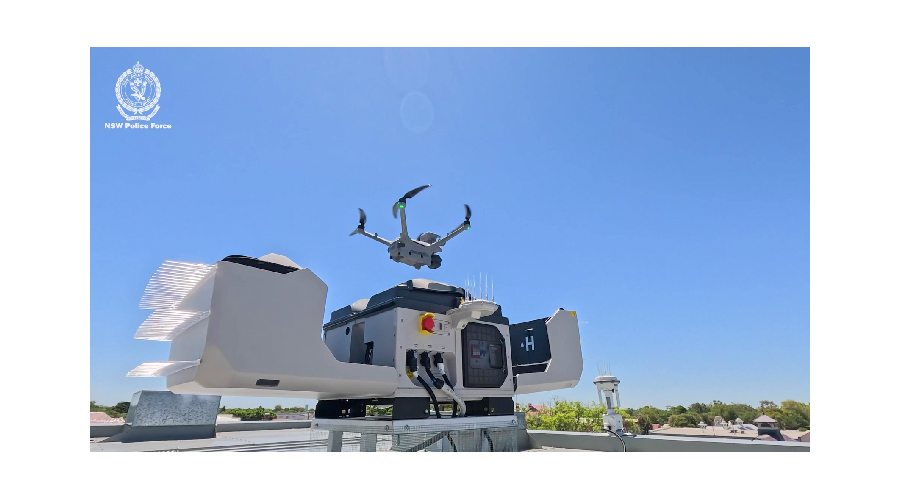
The NSW government announced on 27 August 2026 that it will continue its police drone surveillance program in Moree, on Gomeroi Country, for another two years and is considering expanding the initiative to other regional areas, even though an official evaluation of the trial has not yet been completed.
The six-month trial, known as PolAir Remote, began in January 2026 after NSW authorities notified Moree residents of its introduction. From the outset, officials suggested the program—described as "world class, modern technology"—would eventually be expanded statewide, without prior public consultation.
The Aboriginal Legal Service NSW/ACT (ALS) has criticised the decision to extend and expand the program. NSW Police Minister Yasmin Catley confirmed the expansion during budget estimates on 28 August 2026, stating that a "full evaluation" would be released next month and would form the basis of a business case for wider rollout.
ALS acting chief executive Sharif Deen said community members have reported that drones stationed at Moree police station are frequently deployed over predominantly Aboriginal areas of the town, causing fear among residents.
During the budget estimates hearing, Catley described the Moree trial as "very successful," citing police survey data, in response to a question from Nationals MLC Sarah Mitchell. She acknowledged that expanding the program to run 24/7 would involve significant operational costs, though infrastructure costs were comparatively low. Catley said further details would be included in the evaluation, which will not be made public.
A government press release cited survey results from more than 516 community members: 85 percent reported no negative impact from the drones, 83 percent said the drones improved safety, 82 percent described the experience of drones overhead as positive or very positive, 78 percent said drones improved emergency response, and 76 percent expressed high or very high trust in drone-assisted policing.
However, NSW Greens MLC Sue Higginson noted during the hearing that some police officers said they had been asked by senior officers to participate in the survey.
The press release stated that this marks the first use of drone technology in this manner in Australian policing, despite the evaluation still being incomplete.
In a statement issued last Friday, Deen said the ALS was "blindsided" by the decision to proceed with what he called an "unproven, controversial technology." He said the program targets a small community with a significant Aboriginal population and limited ability to object, raising concerns about compatibility with privacy rights and the adequacy of current legal protections against this form of surveillance.
Deen said Moree's Aboriginal community continues to experience the effects of intergenerational disadvantage linked to the town's history of racial segregation and overpolicing, and that the drone program risks further damaging trust between police and residents.
Deen told NITV in July that while he expected drone surveillance to expand to other regional areas, he did not anticipate its use in wealthier metropolitan areas such as Sydney's Eastern Suburbs.
Moree has previously been the focus of targeted government policy. In March 2024, the Minns government introduced a $13 million package specifically for the town, which included stricter bail rules for Aboriginal youths aged 14 to 17, funding for youth accommodation and support services, and increased police attention, alongside community-run after-hours programs.
Deen said crime rates had already declined following community mobilisation in response to that 2024 package, and he expressed concern that police might attribute reduced crime rates to the drone program instead.
He further warned that other towns with large Aboriginal populations—including Walgett, Bourke and Kempsey—could be the next targets for drone deployment, citing patterns of disproportionate policing of First Nations communities.
The ALS noted that the drone program's expansion coincides with record levels of Aboriginal incarceration in NSW and the highest number of Aboriginal deaths in custody since records began in 1979–80, with 12 deaths recorded in the 12 months to June 2025.
"The premier is presiding over the worst justice system failure we've ever seen in NSW – and he seems determined to make it even worse," Deen said. "At the end of the day, police drones won't do anything to prevent crime or make communities safer."