World
Myanmar’s Conscription Law Drives Forced Recruitment and Human Trafficking in Hpa‑An
By Today News Hours Editorial Desk
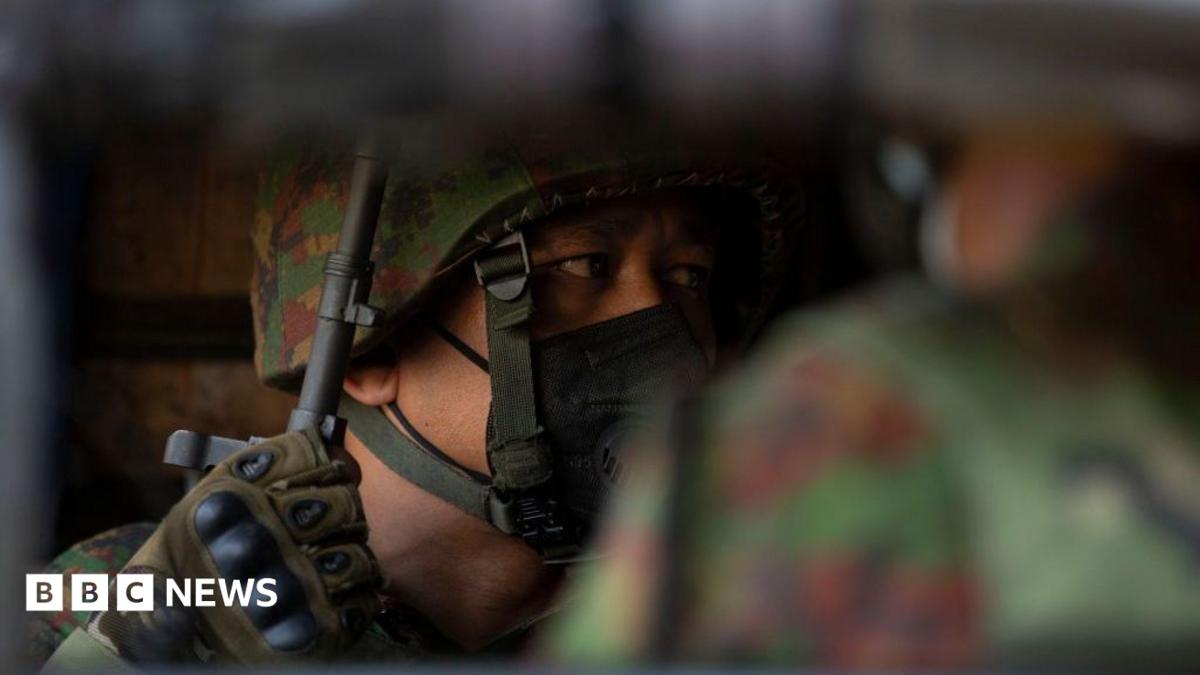
In Hpa‑An, the capital of Myanmar’s southern Karen state, young men fear being snatched from the streets and sold to the army. 26‑year‑old tuk‑tuk driver Zaw Min, who asked that his real name remain confidential, says he must go out to work despite the danger. “I worry, but I have to go out to work,” he told the BBC. His family constantly reminds him not to take passengers too far and to be vigilant. He reports that some people he knows have already been taken.
Locals say plain‑clothed members of the junta have been roaming the streets, arbitrarily arresting people in their teens, 20s and 30s and forcing them into military service. Leaked documents seen by BBC Burmese show that authorities have been ordered to aggressively meet recruitment quotas across jurisdictions, bolstering the junta’s ranks as it fights ethnic militias, pro‑democracy groups and civilian‑led resistance movements.
Zaw Min is the only one among his siblings who is of conscription age. Many of his peers have fled to Thailand or relatives’ homes. Those who remain are often told by parents to be home before dusk.
Myanmar has been in civil war since the February 2021 coup that ousted democratically elected leader Aung San Suu Kyi. Three years later, after a series of humiliating losses, the junta enacted a mandatory conscription law requiring all men aged 18 to 35 and women aged 18 to 27 to serve at least two years under military command. Refusal can lead to up to five years in prison.
Maj Naung Yoe, a military affairs official at the Myanmar Defense and Security Institute (MDSI) and former officer who joined the anti‑coup Civil Disobedience Movement, said the law is “one of the most severe and impactful actions taken against the entire civilian population since the military coup.” Hpa‑An is now part of a dragnet that has already ensnared an estimated 100,000 young recruits over the past two‑and‑a‑half years, many through coercion, extortion and abductions.
The BBC contacted the Myanmar government’s Central Body for Summoning People’s Military Servants about incidents mentioned in the story, including forced recruitment and abductions. They said they had no comment.
International rights groups such as Amnesty International, Human Rights Watch and Fortify Rights say the military is abducting civilians and forcing them into service. Researchers found that missing‑person notices for January rose from four in 2021 to 82 in 2025, after the conscription law. They concluded that much of the recruitment occurs through detention, coercion and disappearance rather than formal call‑up, often without notice to families. Men and boys constitute the majority of reported missing persons.
In Yangon, 33‑year‑old Phyo Wai was taken from his home on 8 May 2025 after an argument with his wife, Ma Moe San Pan. He was later found at a military recruitment centre and then sold to another ward for 4 million kyats ($900; £680) to fill that ward’s quota. Ma Moe San Pan was later scammed out of 4.5 million kyats by strangers who promised his release. The ward administrator admitted to sending him to recruitment authorities but denied any money was involved.
Ma Moe San Pan filed police complaints about the sale of her husband and the scam money. The police accepted her complaint but refused to register a human‑trafficking charge, stating such a charge could only be filed if a person had been sold abroad.
In late August, police in Yangon arrested a member of the Fire Services Department and his son‑in‑law for abducting four young men with the intention of selling them for military conscription. The commander allegedly lured the men with promises of employment and detained them in purpose‑built rooms. He faces up to seven years in prison.
Naung Yoe says lower‑level administrative bodies, military personnel and local criminal gangs use diverse tactics to press‑gang and arrest young people, selling them to units facing manpower shortages or trading substitute recruits for wealthier individuals who want to avoid service. Wealthier conscripts can pay to dodge the draft, leaving poorer people disproportionately burdened.
Dr Sandeep Singh, a research fellow at the National University of Singapore, says the forced conscription law is another tool the junta uses to subjugate its population, forcing youth to fight in a conflict they oppose. The law has generated massive internal displacement, labour shortages and people fleeing to neighbouring countries.
The MDSI released a statement in June saying the generals have benefited by using military law to make citizens fight against each other.
Frequently asked questions
What age groups are required to serve under Myanmar's conscription law?
Men aged 18 to 35 and women aged 18 to 27 must serve at least two years under military command.
How many young recruits have been estimated to be forced into service in Hpa‑An?
An estimated 100,000 young recruits have been ensnared over the past two‑and‑a‑half years.
What penalties can men face for refusing conscription?
Refusal can lead to up to five years in prison.