Business & Finance
Fuel‑Burn and Operating Cost Comparison of the 747, 777‑300ER and A350‑1000 in 2026
By Josh Lamb
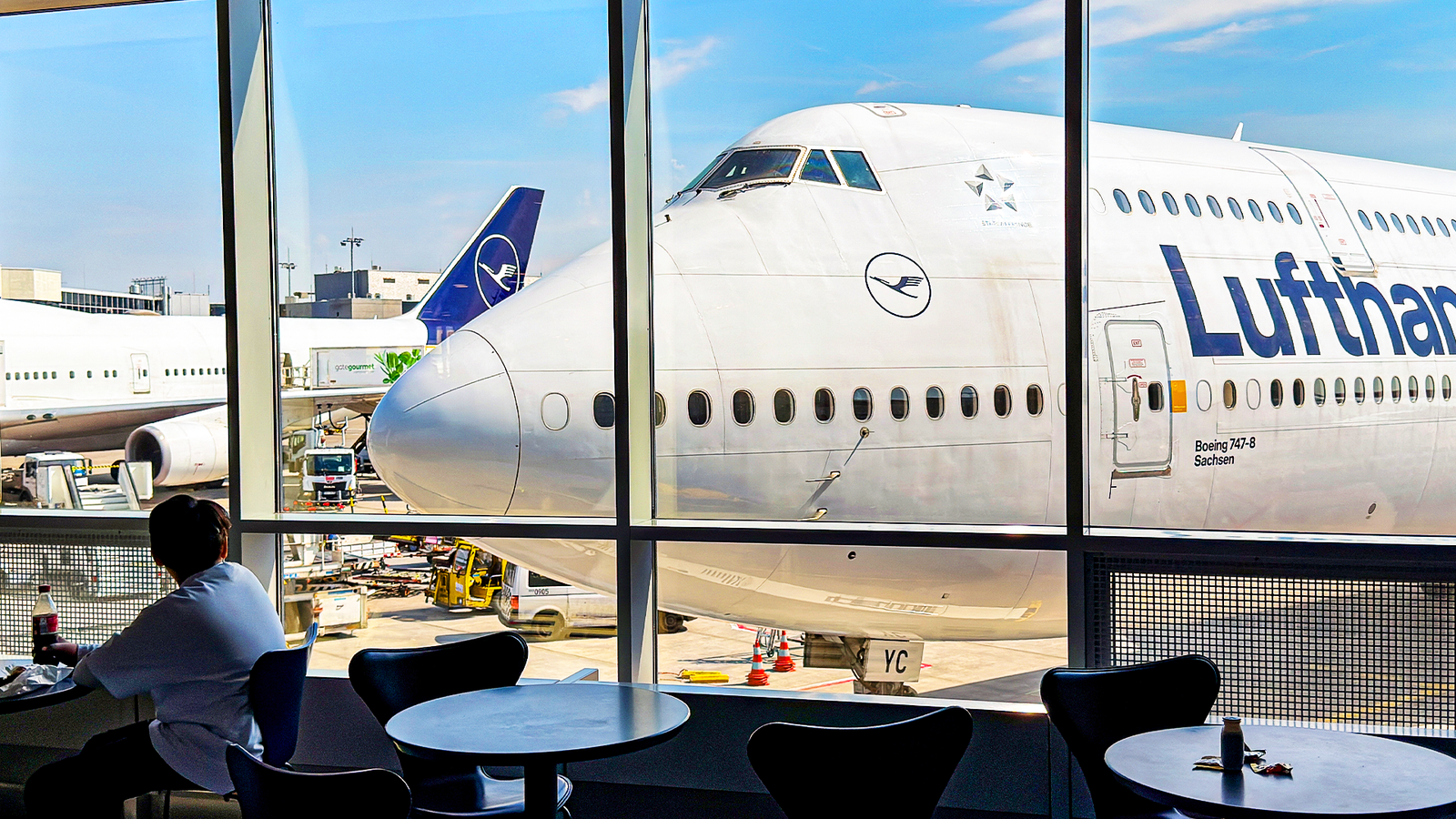
The Boeing 747, a symbol of the jet age, remains in service but is increasingly eclipsed by more efficient twin‑engine models. Airlines evaluate direct operating costs—fuel, maintenance, crew pay, navigation and airport fees—and fixed costs such as depreciation, insurance, hangar leases and management fees. Fuel is the largest variable expense, and its volatility can dramatically affect profitability.
Boeing 777‑300ER The 777‑300ER, first flown commercially in 2004 and produced until 2024, can seat 350 to 425 passengers in two‑class configuration and fly up to 7,500 nautical miles (13,890 km). At a late‑September 2026 jet‑fuel price of $4.415 per US gallon, the aircraft burns about 2,833 gallons (10,722 liters) per hour at economic cruise speed, equating to roughly $12,500 per hour in fuel.
Airbus A350‑1000 Introduced in 2015, the A350‑1000 uses a higher proportion of composite materials, making it lighter and more economical. It seats 369 passengers in two‑class configuration and can fly up to 9,100 nautical miles (16,850 km). The aircraft consumes about 2,268 gallons (8,585 liters) per hour during cruise, resulting in a fuel cost of just over $10,000 per hour—about 20% lower than the 777‑300ER.
Boeing 747‑8 The 747‑8, the latest 747 variant, entered service in 2012. Lufthansa’s configuration seats 364 passengers across four classes. It can fly 7,730 nautical miles (14,310 km). The 747‑8 consumes roughly 3,914 gallons (14,818 liters) per hour at cruise, translating to a fuel cost of $17,280 per hour—28% higher than the 777‑300ER and 42% higher than the A350‑1000.
Maintenance and Other Direct Costs Four‑engine aircraft like the 747 require separate overhaul programs for each engine, increasing maintenance risk and cost compared to twin‑engine models. Age, airline maintenance practices, and fleet commonality also influence expenses. When fuel, maintenance, crew, airport, and navigation fees are added, the 747’s total operating cost can exceed $20,000 per block hour and sometimes approach $30,000. The 777 typically costs below $20,000 per hour, while the A350 demands noticeably less.
Fuel price volatility Jet fuel prices in late September 2026 were 106% higher than a year earlier. Airlines’ hedging strategies therefore play a critical role in determining actual per‑flight costs.
These figures illustrate the significant cost advantages of newer twin‑engine widebodies over the legacy 747 in 2026.
Frequently asked questions
What is the fuel cost per hour for the Boeing 747‑8 in 2026?
The 747‑8 consumes roughly 3,914 gallons per hour at cruise, translating to a fuel cost of $17,280 per hour.
How does the fuel cost of the Airbus A350‑1000 compare to the Boeing 777‑300ER?
The A350‑1000 consumes about 2,268 gallons per hour, resulting in a fuel cost of just over $10,000 per hour—about 20% lower than the 777‑300ER's $12,500 per hour.
What is the maximum range of the Boeing 777‑300ER?
The 777‑300ER can fly up to 7,500 nautical miles (13,890 km).