World
Gaza Professionals Adapt to War‑Damaged Infrastructure by Operating from Tents
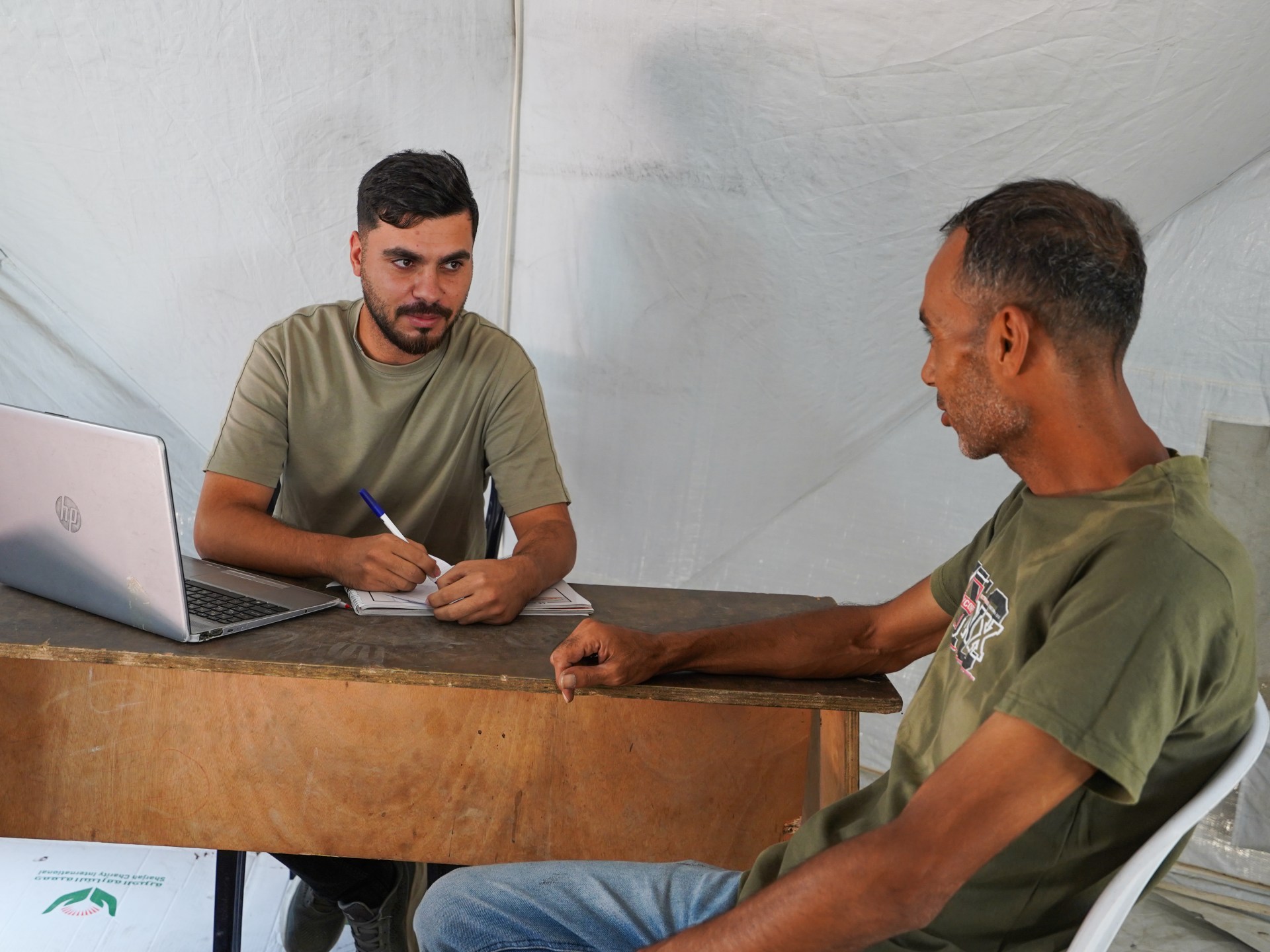
Doctors, lawyers, teachers and traders in Gaza have begun working from tents after their offices, clinics and shops were destroyed by Israeli air raids. Dr Mohammed al‑Khalidi, a prosthetics specialist, now runs his practice from a modest tent in al‑Mawasi, southern Gaza, after his clinic on al‑Bahr Street in Rafah was bombed in April 2024 and his two other clinics in Khan Younis were destroyed in May 2025. He salvaged equipment and has treated patients in the tent for the past two years.
The shift to temporary spaces has become widespread since the war began in October 2023. After the displacement of Khan Younis residents to a narrow coastal strip between their town and Deir el‑Balah, and following a ceasefire announced in October 2025 that was repeatedly broken, more tent offices, surgeries and shops appeared across Gaza.
Al‑Khalidi says the tent offers limited space, unreliable electricity, heat and noise, but it is preferable to suspending services. He notes that between 5,000 and 6,000 people have undergone amputations from October 2023 to October 2025, and patients cannot always wait for normal conditions to resume.
According to the Palestinian Central Bureau of Statistics, more than four‑in‑five buildings in Gaza have been damaged or destroyed since the war began, creating a real estate crisis. Rental prices have risen to unaffordable levels, with some rents more than ten times pre‑war rates.
Other professionals have faced similar challenges. Civil engineer Omar al‑Tawashi lost his office in an August 2024 strike and later moved to a tent in Deir el‑Balah after his home office was destroyed in July 2025. Accountant Mahmoud Shaheen’s office was destroyed in November 2025 and he now meets clients in a small tent in Nuseirat camp. Teacher Palestine Hussein’s centre in Bureij was destroyed in an October 2023 raid; she now teaches English from a tent in the Nuseirat camp.
Retailers have also adapted. Khalil al‑Tahrawi’s clothing store in Nuseirat was bombed in October 2023; he now displays his merchandise in a small tent at the market, paying $350 a month for the pavement space.
Repeated power cuts, unreliable internet and equipment shortages complicate the rebuilding effort. Customers are altering their shopping habits, sometimes paying higher prices in towns or camps where services are available.
Mohammed Zweid, a 24‑year‑old IT worker, said that accessing professionals in tents is better than having no service at all, noting that the transformation has changed both where services are provided and how they are experienced.