World
Trump Announces Deal to Import Russian Diesel Amid Rising Fuel Prices
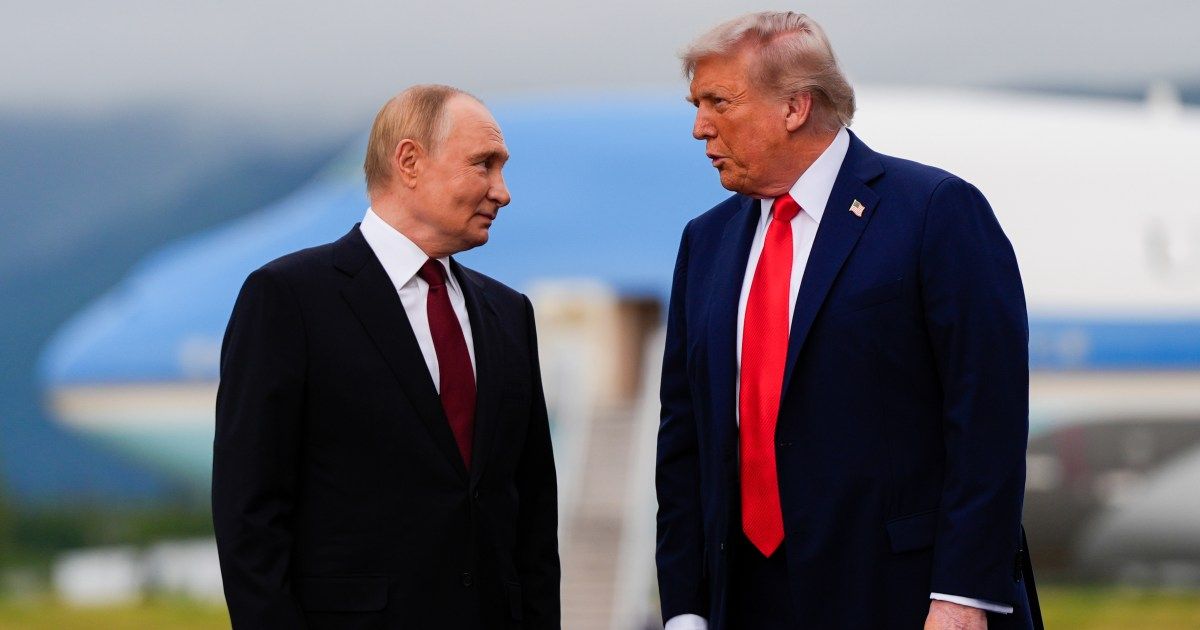
President Donald Trump announced on social media that, following talks with Russian President Vladimir Putin, Russia will immediately supply more than 300,000 tonnes of diesel to the United States and the global market, with an additional 500,000 tonnes in November and a further 1 million tonnes thereafter. Trump said that, depending on the condition of U.S. diesel refineries, Russia would also deliver another 3 million tonnes. He added that the U.S. would control the Strait of Hormuz and that the deal would lower diesel prices for Americans, especially farmers, ranchers and truckers.
Trump thanked Putin for the agreement and said the U.S. has “massive amounts of oil coming into our country, and it’s diesel which is what we want.” Putin confirmed Russia’s willingness to supply oil and petroleum products to the U.S. and global markets.
The announcement comes amid a global diesel crisis driven by the U.S.–Israel war on Iran, Russia’s war on Ukraine, attacks on the Strait of Hormuz, the Saudi Arabia East‑West Pipeline, and Houthi attacks in the Red Sea. These events have disrupted supply routes, reduced global fuel inventories, and pushed diesel prices to record highs in the U.S. and Europe.
In September, the Group of Seven released 100 million barrels of emergency diesel and crude reserves after U.S. pressure on the European Union. Analysts say the release will be short‑lived.
U.S. diesel prices rose to a record $6.52 per gallon in September, more than double the price a year earlier. The American Automobile Association reports the current average at $6.20 per gallon. U.S. diesel inventories have fallen sharply since the Iran conflict began and remain below normal levels.
The U.S. has banned imports of Russian oil and gas since 2022 and recently passed the Lindsey O. Graham Sanctioning Russia and Iran Act of 2026, which targets countries buying Russian oil and gas and allows the president to impose tariffs on the top five importers. After Trump’s announcement, the Treasury’s Office of Foreign Assets Control issued a temporary general license to allow the supply of Russian diesel to the global market.
Russia itself is experiencing a fuel crisis. In the third quarter, Russian diesel exports fell to 190,000 barrels per day from 690,000 in the second quarter and 850,000 in the first quarter. Russia banned diesel exports in July to meet domestic demand and extended the ban until the end of October. Ukrainian attacks on Russian energy facilities have also contributed to the crisis.
Ukraine’s President Volodymyr Zelenskyy criticized the deal, calling it a weak decision that plays into Russia’s hands. U.S. officials, including Steve Witkoff and Jared Kushner, were meeting with Ukrainian and European negotiators in Miami to discuss ending the war.
Analysts say the deal will have limited impact on the global energy crisis. Chris Beauchamp of IG Group described it as a short‑term solution and a classic Trump deal. Michelle Wiese Bockmann and Neil Atkinson noted that the volumes announced are small relative to global consumption and that European countries may refuse to buy diesel from Russia.
The U.S. remains the world’s largest diesel exporter, and its domestic use of diesel is about 3.7 million barrels per day. The announcement is seen as an attempt by Trump to lower fuel costs before the November midterm elections, amid widespread concern over the economy among voters.
Frequently asked questions
How much diesel will Russia supply to the U.S. and global market?
Russia will immediately supply more than 300,000 tonnes of diesel, with an additional 500,000 tonnes in November and 1 million tonnes thereafter; depending on refinery conditions, up to 3 million tonnes may be delivered.
What is the purpose of the deal according to Trump?
Trump said the deal would lower diesel prices for Americans, especially farmers, ranchers and truckers, and that the U.S. would control the Strait of Hormuz.
What restrictions exist on Russian oil imports to the U.S.?
The U.S. has banned imports of Russian oil and gas since 2022 and passed the Lindsey O. Graham Sanctioning Russia and Iran Act of 2026, allowing tariffs on the top five importers.