World
Taiz Faces Renewed Siege as Roads Blocked and Prices Surge
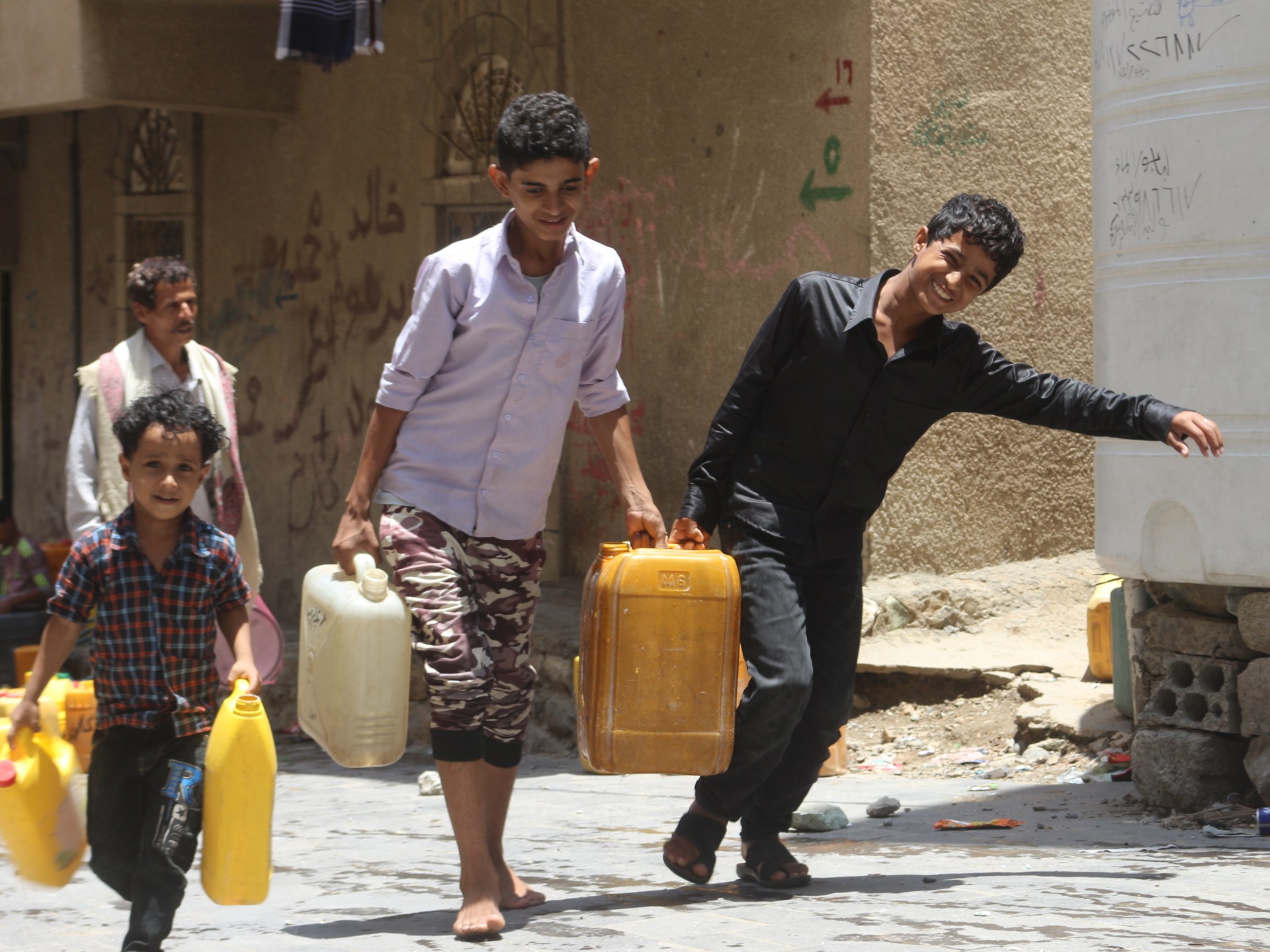
Taiz, Yemen, is once again under siege after the Houthi movement seized territory south of the city, cutting the main road to government-held areas. The offensive began in early September when the Houthis captured the port city of Mocha and the district of Dhubab, which sits near the Bab al-Mandeb strait. By October 4, they had taken the town of al‑Turbah, severing the only remaining main road between Taiz and other government‑controlled regions.
Residents, including 37‑year‑old Iskandar Abdullah, recall the 2015‑2016 siege that left the city in “horrors” and “appalling humanitarian and economic conditions.” During that period, basic necessities such as drinking water, food, fuel and medicine were scarce, and supplies had to be smuggled across rugged terrain.
The current blockade has closed a vital eastern crossing that had reopened in 2024, a route that had become essential for food supplies. Nabil Jamil, director‑general of Taiz’s planning and development office, said the new siege is “more comprehensive and its impact more severe than in 2015,” affecting not only main roads but also secondary routes that connect rural districts.
Approximately 2.8 million people live in government‑held areas of Taiz, with an additional 200,000 displaced by recent fighting. All are facing humanitarian hardship. Within a week of the renewed siege, streets appeared deserted due to a fuel shortage; the price of a 20‑litre container of petrol rose from 30,000 Yemeni riyals ($19) to 90,000 Yemeni riyals ($58). Markets have seen a surge in demand for food, and some residents accuse traders of hoarding.
Wafiq Saleh, an economic affairs journalist, noted that prices for wheat and flour have risen noticeably, while vegetables and fruits have doubled. He added that traders have stocks that could last several months, yet some have begun raising prices as fighting intensified.
Humanitarian concerns are mounting. Nabil Sharyan, head of the Justice for Rights and Development Organization, warned that the siege would severely affect patients, children, women and the elderly, especially those needing access to hospitals and medicines. He called on the international community and humanitarian agencies to ensure roads and crossings remain open for civilians and goods.
Local authorities have written to the United Nations seeking assistance, prioritising the opening of safe roads and corridors for medical travel and the delivery of medicine and food. They remain awaiting a response or on‑ground intervention.
Frequently asked questions
What caused the renewed siege of Taiz?
The Houthi movement seized territory south of Taiz, cutting the main road to government-held areas.
How has the siege affected fuel prices in Taiz?
Fuel shortages caused the price of a 20‑litre container of petrol to rise from 30,000 Yemeni riyals ($19) to 90,000 Yemeni riyals ($58).