Business & Finance
Indian Jewelers Boost Natural Diamond Appeal Amid Lab‑Grown Competition
By Vaeshnavi Kasthuril, Soumya Gupta
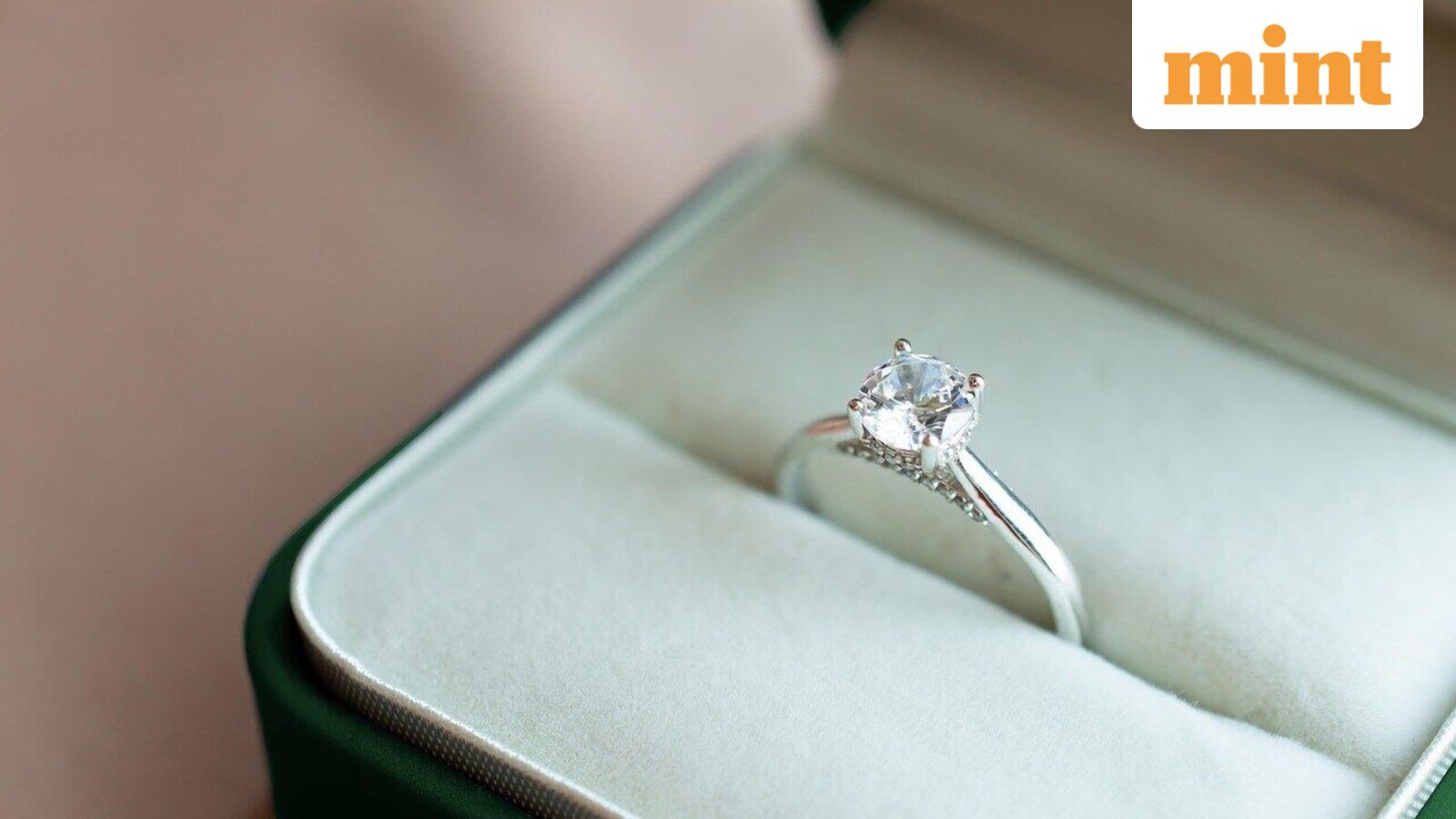
Indian jewelers are intensifying their promotion of natural diamonds for the upcoming festive and wedding season, emphasizing their rarity and enduring value as cheaper lab‑grown stones compete for the same customers. Natural diamond prices are under pressure, prompting jewelers to attract more buyers and create new buying occasions in a market that remains largely untapped. India is the world’s second‑largest market for natural diamond jewellery after the United States, accounting for 12 % of global demand, according to De Beers. The diamond market is under mounting pressure: De Beers’ average realized rough‑diamond price fell 32 % to $105 a carat in the first half of 2026, while smaller, lower‑quality natural stones remain under pressure from lab‑grown diamonds. The miner has also paused production at its Venetia mine in South Africa for two years to cut costs, even as India remains a robust market.
In India, De Beers is expanding the occasions for buying natural diamonds and widening availability beyond large jewellery chains. “We took a step back and said, okay, if I want to grow this market, almost create a surround sound, how would I do it?” said Shweta Harit, global senior vice president of De Beers Group and chief executive of Forevermark, to Mint. De Beers is targeting occasions such as second piercings, friendship and new life stages in addition to proposals and weddings. Its ‘Love From Hubby’ campaign features an empty‑nester couple, while ‘Love From Dad’ positions a second piercing as a new occasion for natural diamonds. “Otherwise, you’re really going to be stuck at some point in proposals or maybe weddings,” Harit added.
For the festive and wedding season, De Beers is positioning natural diamonds around legacy and preciousness, including a campaign with Jaipur’s Maharaja Sawai Padmanabh Singh and a Forevermark campaign featuring Princess Diya Kumari. “We really believe that natural stones have aura and power,” Harit said.
The push extends to retail. Forevermark had 10 stores in India by July and plans to reach 20 by the end of 2026 and 100 by 2030. De Beers has also created the Indian Natural Diamond Retailers Association (INDRA) with the Gem & Jewellery Export Promotion Council to bring smaller jewellers into the category. Harit said about 60 % of India’s jewellery market remains unorganized, with many smaller retailers having generations of experience selling gold but less familiarity with diamonds. The low penetration leaves room for further growth, she said. She estimates around 12 % of jewellery pieces in India contain diamonds, compared with about 70 % in the United States.
Titan partnered with designer Rahul Mishra to showcase Tanishq’s latest natural diamond collection, first presented at this year’s Paris Couture Week, with the collection focused on highlighting the rarity and beauty of natural diamonds. “We were always clear that natural diamonds will have its appeal, especially in a country like India, where preciousness plays a big role,
Frequently asked questions
What percentage of India's jewellery market remains unorganized?
About 60 % of India’s jewellery market remains unorganized, with many smaller retailers having generations of experience selling gold but less familiarity with diamonds.
How much did De Beers' average realized rough‑diamond price fall in the first half of 2026?
De Beers’ average realized rough‑diamond price fell 32 % to $105 a carat in the first half of 2026.
What share of global natural diamond demand does India account for?
India accounts for 12 % of global demand for natural diamond jewellery, making it the world’s second‑largest market after the United States.