Health
U.S. Vaccine Opponent Secures Approval for Hepatitis B Trial in Guinea-Bissau
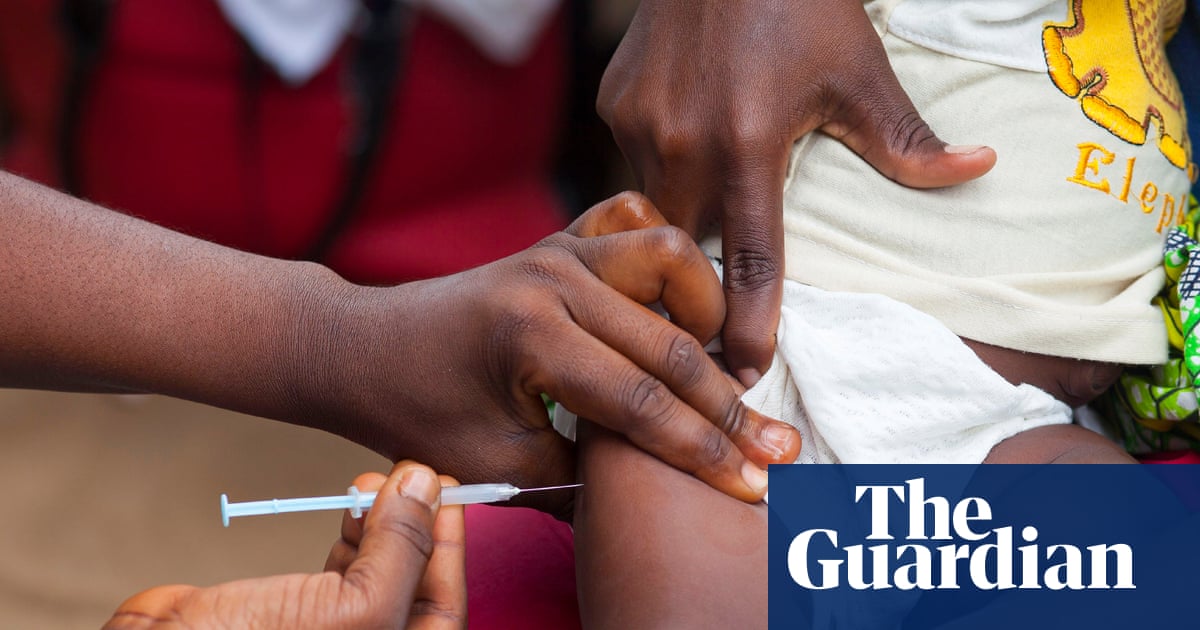
A research trial that will withhold hepatitis B vaccines from some newborns in Guinea-Bissau has received approval to proceed. The study, which will enroll 14,000 infants, will give the vaccine to half of the babies at birth and withhold it from the other half for the first six weeks of life. The trial is part of a research agenda promoted by Robert F. Kennedy Jr., the U.S. Secretary of Health and Human Services, who has long opposed vaccines. Kennedy praised Danish researchers at an anti‑vaccine conference and highlighted U.S. support for hepatitis B research in newborns as an example of the Trump administration’s vaccine agenda.
The Danish research ethics committee at the University of Southern Denmark voted this week to allow the trial, and officials in Guinea‑Bissau have also approved the project. The health minister, Quinhin Nantote, had earlier said the trial was suspended after international backlash. Three members of the Danish committee, including Stig Børsen Hansen, resigned in protest, citing major ethical concerns. Hansen said the study enrolls newborns in a lottery to test a hypothesis and that children who do not receive the birth dose face a risk of contracting hepatitis B, a disease that can cause irreversible lifelong damage.
The U.S. Centers for Disease Control and Prevention has earmarked $1.6 million for the project, to be matched by private funding from the Pershing Square Foundation and the Bluebell Foundation. The CDC, the Danish researchers, Pershing Square and Nantote have not responded to inquiries about the trial.
The protocol has been updated since it was posted in January. Mothers will now be tested for hepatitis B before delivery; babies of mothers who test positive will receive the vaccine and will not be included in the trial. Babies of mothers who test negative may be enrolled. The new protocol has not been released publicly.
Experts have expressed concerns about the study’s design. Infectious disease physician Paul Offit noted that hepatitis B can be transmitted casually and that the virus can live on surfaces for up to seven days. He also highlighted the 5 % false‑negative rate of hepatitis B tests, which could give false assurance that a birthing parent does not have the virus.
Henrik Støvring, a professor of statistics and pharmacometrics at Aarhus University, said that decades of research show the vaccine would be beneficial and that it would be unfair to place some children in a vaccinated group and others in an unvaccinated group. He also noted that the study is outside the purview of Denmark’s national ethics committee because it will not take place in Denmark.
Guinea‑Bissau has one of the highest rates of hepatitis B in the world, with about 18 % of adults carrying the virus. Children infected in the first year of life are at higher risk of chronic infection and liver cancer. The Bandim Health Project, run by Danish researchers Peter Aaby and Christine Stabell Benn, has operated in Guinea‑Bissau for decades and is closely integrated with the country’s health system.
Kennedy praised the Danish researchers as “the deities of vaccine research” and claimed that a prior study they conducted indicated that vaccination could cause mass injuries. He did not mention that a follow‑up study from the same researchers found no effects.
The trial will focus on vaccination and mortality, as well as outcomes such as skin conditions and neurodevelopmental conditions. Støvring said the main problem is that the study seeks to investigate something highly speculative in a situation where the World Health Organization and others say the vaccine should be given at birth.
An official with the Africa CDC said there were ongoing discussions between the U.S. and Guinea‑Bissau and that more details would be shared soon. Guinea‑Bissau had planned to begin vaccinating all newborns against hepatitis B in 2027 but pushed the campaign back to 2028. Offit criticized the trial as taking advantage of that delay and putting children at unnecessary risk.
Frequently asked questions
How many infants will be enrolled in the Guinea‑Bissau hepatitis B trial?
The study will enroll 14,000 infants.
What is the funding amount earmarked by the U.S. Centers for Disease Control and Prevention for the trial?
The CDC has earmarked $1.6 million for the project.