Politics
Indian Voter Roll Controversy Sparks Satirical Protest and Online Censorship
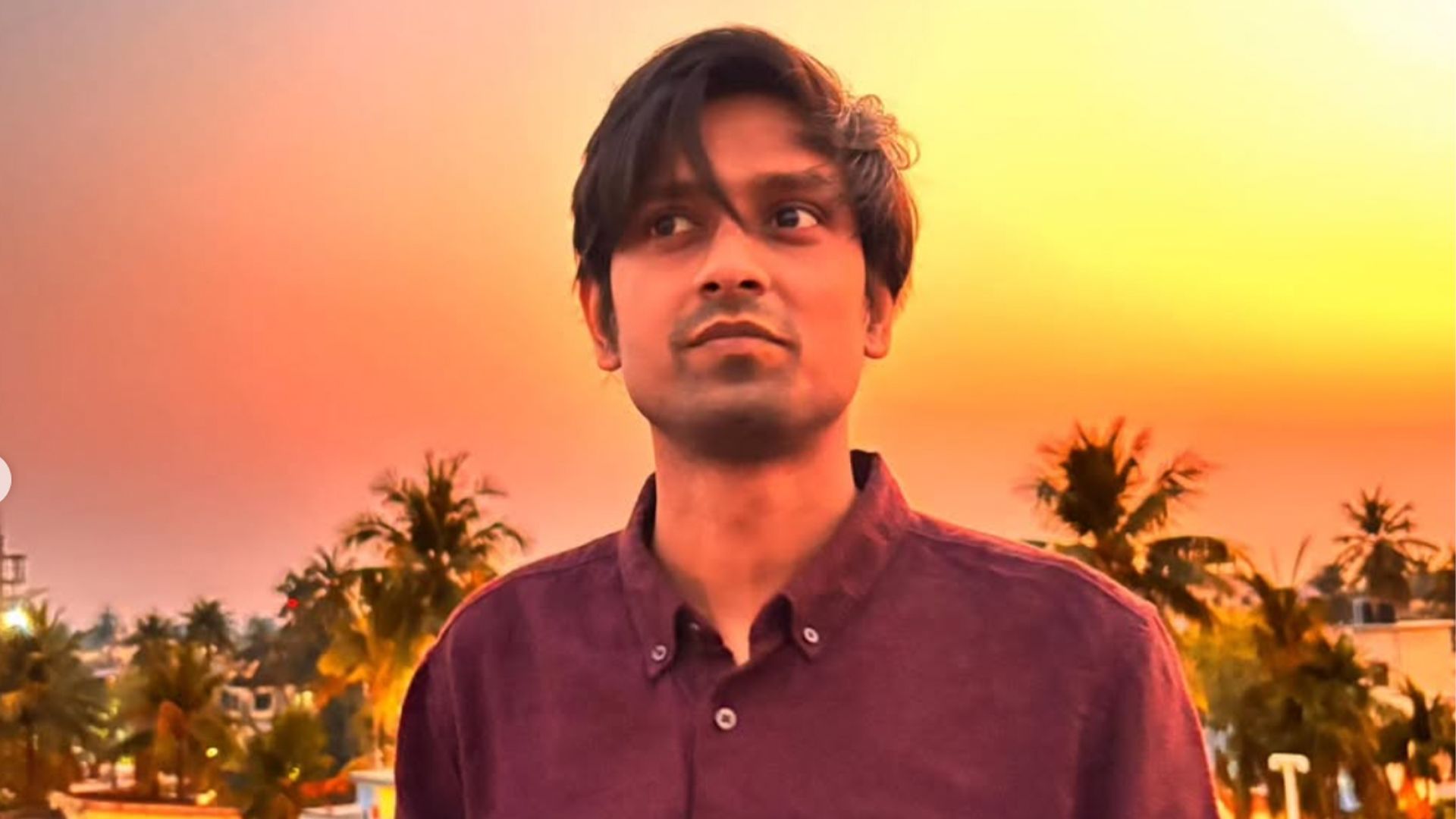
A stand‑up comic, Brijesh Jha, posted a parody video on Instagram on September 29 to protest the removal of his name, his father’s and sister’s, from a voter list in West Bengal. The video, which accused Chief Election Commissioner Gyanesh Kumar of disenfranchising millions of voters at the behest of Prime Minister Narendra Modi’s Bharatiya Janata Party (BJP), received 1.7 million views. Two days later, Meta removed the video citing “local laws.” Jha said the removal was due to the Modi government’s fear after an Indian Express investigation revealed that two of the election commission’s three members had raised serious concerns over the Special Intensive Revision (SIR) exercise, which has deleted more than 130 million voters—about 14 percent of India’s electorate, many of them Muslims who rarely vote for the BJP.
The investigation found that two of Kumar’s fellow election commissioners had formally objected at least 14 times to key decisions linked to the SIR exercise. Opposition politicians and critics have accused Kumar, a Modi appointee, of acting on behalf of the BJP and have demanded an independent inquiry. The revelations have sparked street protests across India demanding Kumar’s resignation.
On Tuesday, police in New Delhi briefly detained Congress leader Rahul Gandhi and other party officials as they attempted to march to the election commission office. Gandhi called the country “hijacked by Narendra Modi through vote theft” and said the actions were treason. The BJP responded by accusing opposition parties of attempting to change the government and of attacking India’s democracy and constitutional institutions.
Congress protesters and allies returned to the streets on Wednesday, following demonstrations by the satirical Cockroach Janta Party (CJP) and left‑wing students in Mumbai and New Delhi since October 2. The CJP plans another demonstration in New Delhi on October 10 if Kumar does not resign.
The protests have featured humour, art and music, much of it shared online. However, a simultaneous crackdown on memes and jokes has occurred. According to the Indian Express, the government issued nearly 195,000 content‑blocking orders to Instagram, Facebook and YouTube between March and July, averaging one order every 68 seconds. The government said that with 600 million users posting up to 78,703 items every 68 seconds, it is reasonable that some items may be unlawful.
The crackdown followed the Modi government’s tightening of online content rules in February. The new rules require social media platforms to remove content deemed “unlawful” by a government authority or court within three hours of receiving an order, down from 36 hours previously. Political cartoonist Satish Acharya had several cartoons removed, some up to three years old, and his Instagram account was blocked in India from September 28 until late on October 5.
Jha, who attended the CJP protest in Mumbai, said that as power becomes crueler, protest becomes softer, more humorous and more artistic. He declined to apply for reinstatement of his name on the voter list, fearing detention. He urged Modi to stop the crackdown on online content and to restore his right to vote, referencing Modi’s famous 56‑inch chest boast.
Frequently asked questions
How many views did Brijesh Jha's parody video receive?
1.7 million views.
How many content‑blocking orders were issued to Instagram, Facebook and YouTube between March and July?
Nearly 195,000 orders.
What is the new time limit for social media platforms to remove content deemed unlawful?
Platforms must remove it within three hours of receiving an order, down from 36 hours.