Health
Psychological Impact of Conflict Surges in Israel, Study Finds
By Caolán Magee
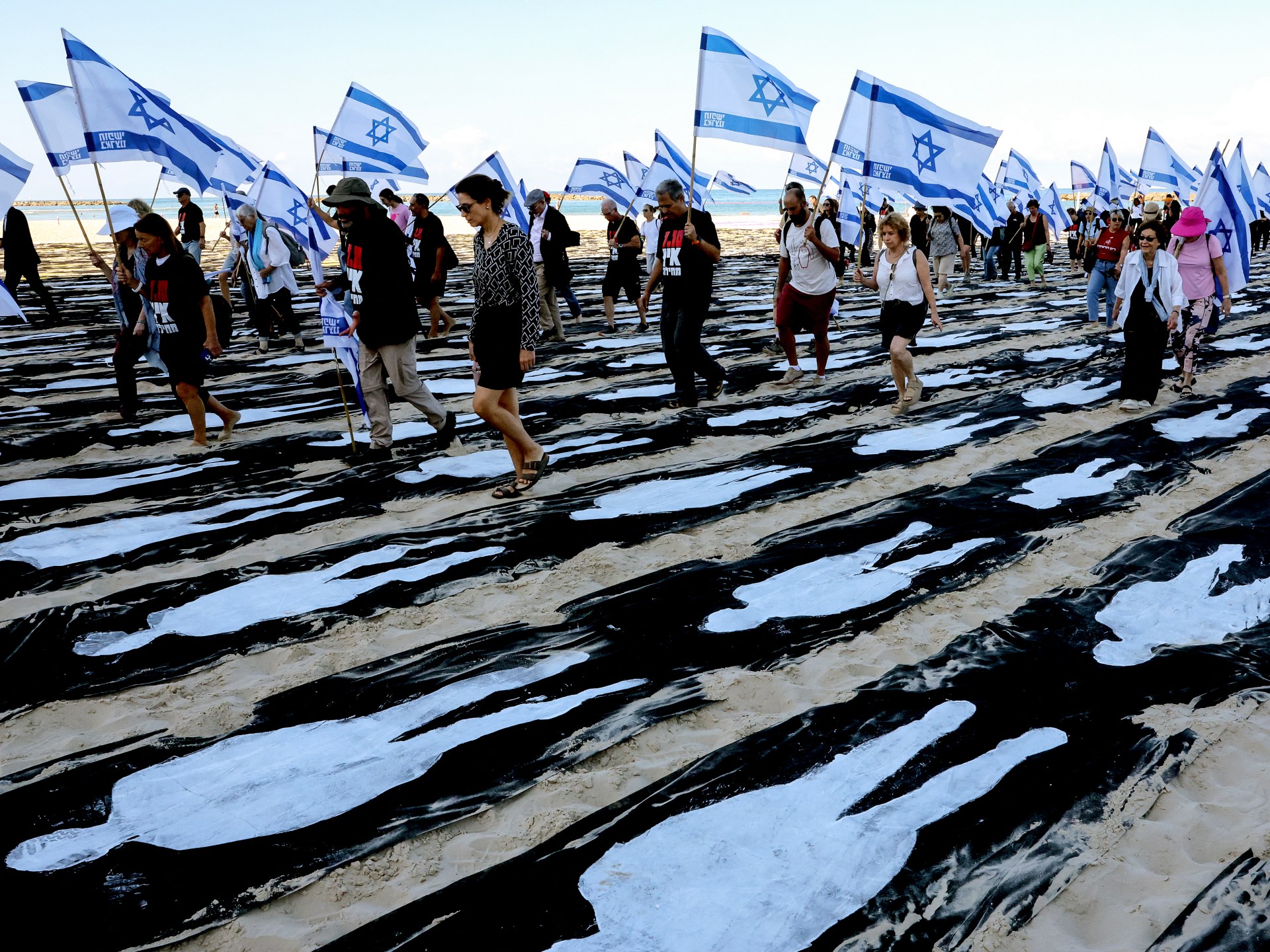
Three years after the October 7 Hamas‑led attacks, a new study shows that children’s psychiatric emergency visits in Israel have more than doubled. The National Mental Health Barometer, conducted by Clalit Health Services’ Research Institute and the Myers‑JDC‑Brookdale Institute, reports that one in five Israelis experiences severe difficulties with daily functioning because of mental health issues. A separate Clalit study shared with Al Jazeera found a 121 % increase in psychiatric emergency visits among children and adolescents compared with the period before the war.
The war’s toll is evident in personal stories. Irit Ben Arye, whose husband Haim Ben Arye— a 52‑year‑old bus driver—drove south to help evacuate survivors from Kibbutz Be’eri, returned home crying and died by suicide about two weeks later. The couple had been married for 30 years and had eight children. Irit urged her children to seek help if they feel alone or in pain.
According to the National Mental Health Barometer, one‑third of the Israeli population feels they need mental health treatment. Half report that leisure activities have been affected, and 35 % say they have difficulty forming and maintaining close relationships.
Repeated missile attacks and airstrikes have disrupted everyday life. Eric Vermetten, a professor of psychiatry at Leiden University Medical Center, explained that constant exposure to danger can lead to long‑lasting psychological issues, including fragmented sleep, concentration problems, and strained relationships.
Clalit’s assessment of about five million members indicates that psychiatric emergency visits among children and teenagers have more than doubled since the conflict began. Edgar Jones, professor at King’s College London’s Institute of Psychiatry, Psychology and Neuroscience, noted that while some people adapt, others who experience loss or destruction may develop post‑traumatic illness or depression.
The psychological toll extends to soldiers. Israeli parliamentary data recorded 279 suicide attempts among serving soldiers between January 2024 and July 2025, with combat soldiers accounting for 78 % of military suicide deaths in 2024. Vermetten cautioned that conflict, loss and isolation can increase vulnerability among soldiers.
The conflict’s impact reaches beyond Israel. Since October 7, 2023, assaults on Gaza, Lebanon and Iran have caused death, destruction and displacement across the region. UNICEF estimates that 770,000 children in Lebanon have experienced psychological distress, and more than one million children in Gaza need mental health and psychosocial support amid ongoing bombardment.
"Children know trauma does not end when the bombing stops," said Jonathan Crickx, UNICEF’s chief of communication in the State of Palestine, in February.
Frequently asked questions
How much has the rate of psychiatric emergency visits among children and adolescents increased since the conflict began?
The study found a 121% increase compared with the period before the war.
How many suicide attempts were recorded among serving soldiers between January 2024 and July 2025?
279 suicide attempts were recorded among serving soldiers.
How many children in Lebanon have experienced psychological distress since the conflict began?
UNICEF estimates that 770,000 children in Lebanon have experienced psychological distress.