Business & Finance
US Stock Markets Shut for Labor Day as Inflation Data and Fed Decision Loom
By Anupam Nagar
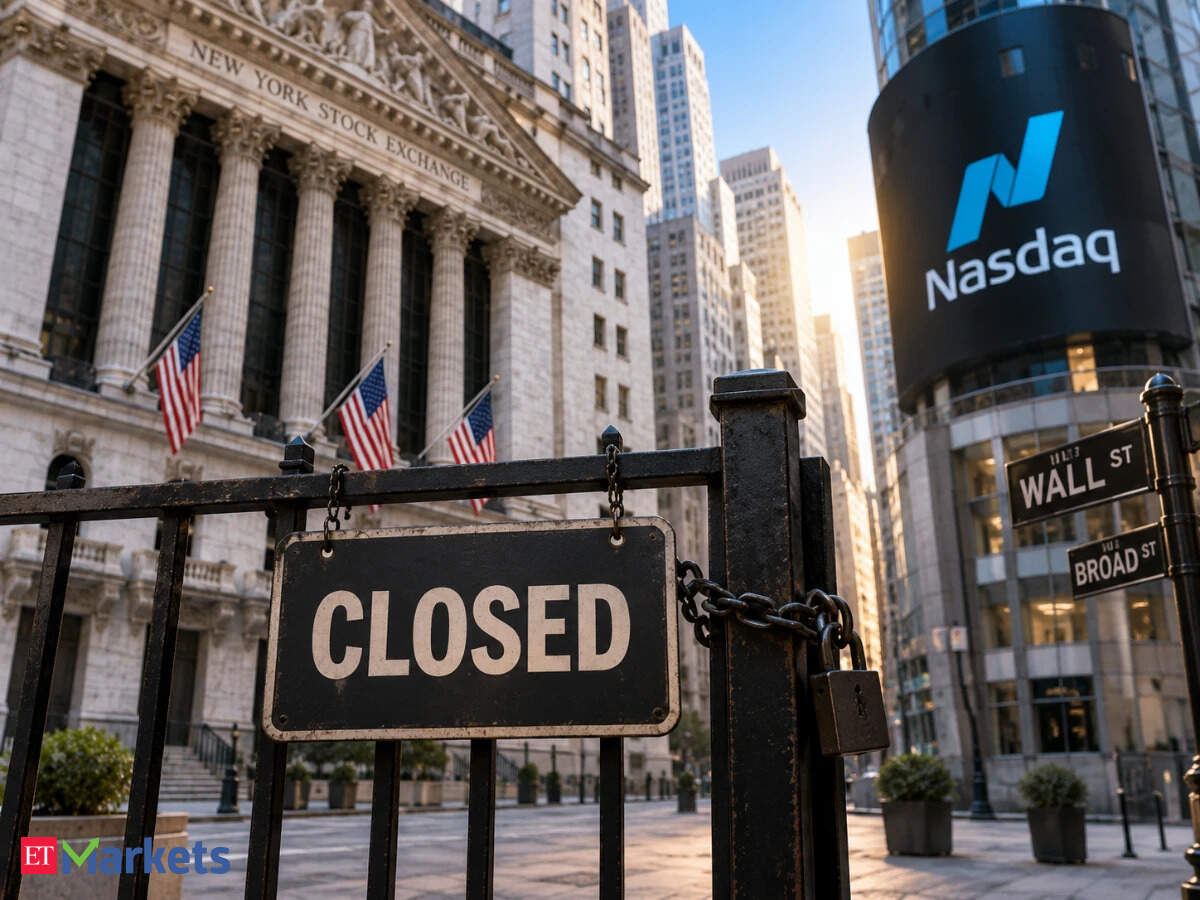
U.S. stock markets, including the S&P 500 and Nasdaq, were closed on Monday, September 7, in observance of Labor Day, arriving at a critical moment for investors. Wall Street had ended the previous week on a weak note after a stronger-than-expected August jobs report fueled speculation that the Federal Reserve might maintain higher interest rates for a longer period. According to Reuters, the Dow Jones Industrial Average dropped 0.51% on Friday, the S&P 500 fell 0.38%, and the Nasdaq Composite declined 0.29%. While cash equity trading was paused on Monday, investors continued to track futures and global market movements. U.S. stock futures remained largely flat even as Asian markets posted gains, with rising oil prices and ongoing geopolitical tensions serving as key risk factors. Normal trading is set to resume at 9:30 a.m. Eastern Time on Tuesday. For investors in India, this meant no regular U.S. cash-market session on Monday night, with the next full trading session beginning Tuesday evening India time. The market closure follows a labor report that reshaped expectations for the Fed's upcoming policy decisions. The U.S. economy added 162,000 jobs in August, significantly exceeding economists' projections of 56,000, Reuters reported. This robust labor data has increased the likelihood that the Fed could raise interest rates during its September meeting, a scenario that could pressure high-valuation technology and growth stocks, since higher rates typically raise the discount rate applied to future corporate earnings. As markets reopen after the long weekend, attention will shift toward inflation data, with the August Consumer Price Index report due later this week. This data could heavily influence expectations surrounding the Fed's September policy decision, as markets weigh a strong labor market against rising energy costs. Brent crude prices have recently approached $97 a barrel amid escalating tensions between the U.S. and Iran, adding another layer of complexity to the inflation outlook. The holiday also falls during a historically volatile period for equities. MarketWatch noted that September has traditionally been the weakest month for the S&P 500, though the index entered this year's September in solid technical shape after rising 2.6% in August. This sets the stage for a consequential week, with investors closely watching Treasury yields, oil prices, inflation figures, and Fed policy signals to gauge whether the recent market rally can be sustained. Although Monday's holiday shortened the trading week, the broader market agenda remains active, with inflation trends, interest rate decisions, energy prices, and geopolitical developments expected to shape Wall Street's next moves.