World
Hezbollah’s 2023 War Decision Alters Lebanon’s Political Landscape
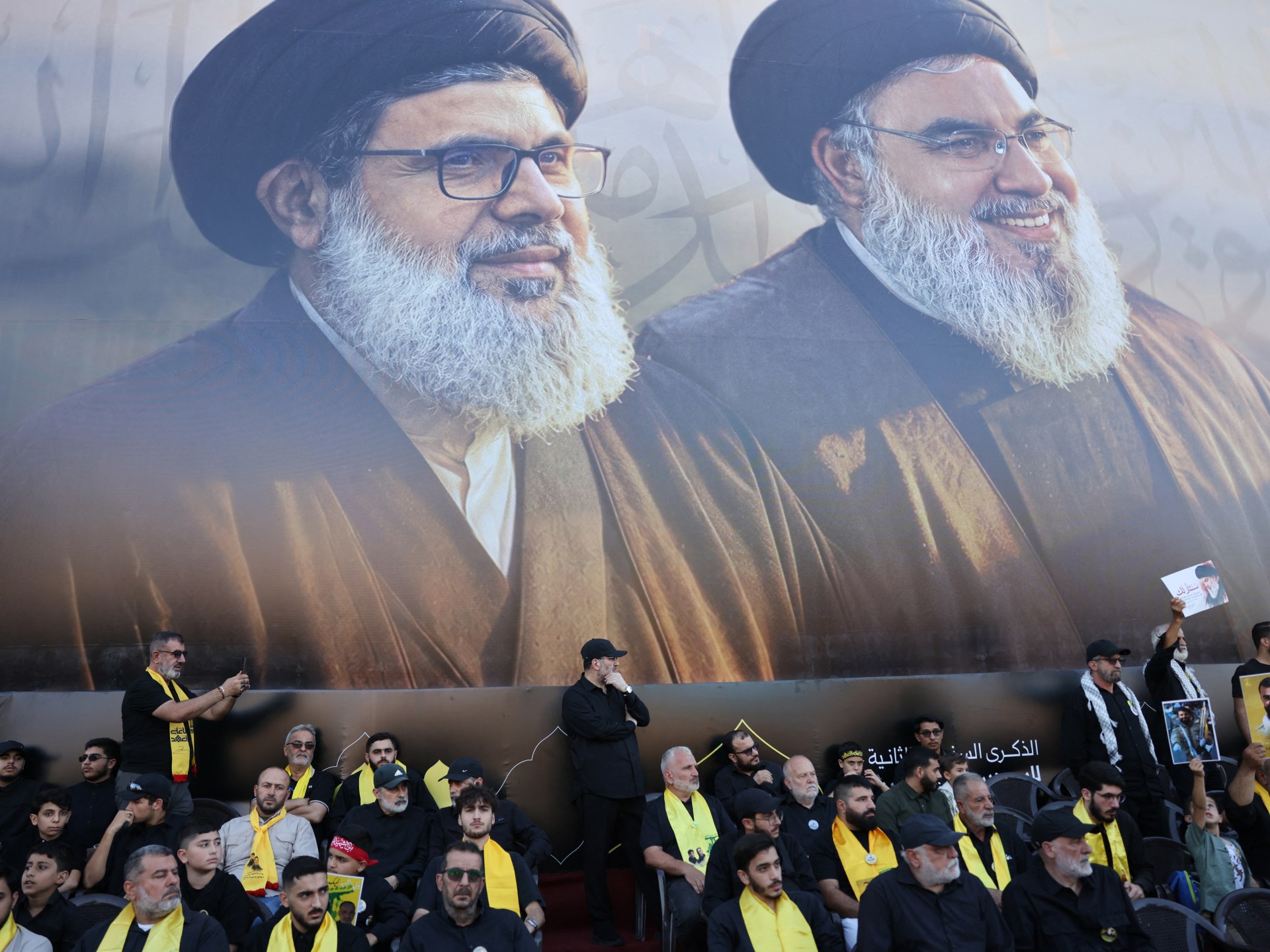
A day after the October 7, 2023 attack on Israel, Hezbollah announced on October 8 that it would join a ‘support war’ for Gaza, citing support for the Palestinian people. Analysts say this decision has permanently altered Lebanon’s political reality. Experts argue that Hezbollah underestimated Israel’s intelligence capabilities, which later manifested in the September 2024 attacks and the assassination of much of the group’s leadership, including Secretary‑General Hassan Nasrallah. According to Nicholas Blanford, a senior fellow at the Atlantic Council, Hezbollah’s involvement led to a loss of popular standing and helped elect Joseph Aoun as president, prompting a new government that adopted a stronger stance against the group.
Before October 7, Hezbollah was the dominant political and military actor in Lebanon, with extensive influence across the region, including support for the Assad regime in Syria and alliances in Iraq and Yemen. The group had significant electoral power in Lebanon and had previously used force against domestic protestors in 2019. In the months leading up to the attack, Hezbollah displayed confidence through a military parade in southern Lebanon and the erection of tents in the Shebaa Farms, a territory Lebanon considers occupied.
Jad Dilati, a political analyst from Nabatieh, said Hezbollah’s unilateral decision to open a support front on October 8 was made without cabinet approval or consideration of southern Lebanese residents, many of whom believed Hezbollah was strong due to its missile capabilities and tunnel network.
For 11 months, Israel and Hezbollah exchanged attacks, with Israel striking Lebanon more than five times for every Hezbollah attack. Tens of thousands of people fled from southern Lebanon and northern Israel. In September 2024, Israel intensified attacks, killing nearly 500 people on September 23 alone. When Nasrallah reportedly accepted a ceasefire, Israel ordered his assassination and evacuated parts of Beirut’s southern suburbs. Israel invaded southern Lebanon in October 2024, remaining in Lebanese territory for over two months after a November ceasefire. Despite the ceasefire, Israel continued to destroy homes and infrastructure and refused to withdraw from five locations.
The fall of the Assad regime in December 2024 disrupted Hezbollah’s land routes for weapons and funding from Iran. Over the next 14 months, Israel violated the ceasefire more than 10,000 times. In March 2026, Israel re‑intensified its war on Lebanon after Hezbollah fired rockets in response to ceasefire violations and the assassination of Iran’s Supreme Leader, Ayatollah Ali Khamenei. Israel invaded Lebanon again, launching widespread attacks that have killed more than 9,000 people in Lebanon since 2024 and displaced over 1.2 million, leaving entire regions uninhabited.
Israel now occupies large swaths of Lebanese territory, extending up to 10 km from the border in some areas. The World Bank reports Lebanon’s economy contracted by more than 6 % in 2026, and the country needs around $11 bn for recovery and reconstruction, a figure likely higher now.
Hezbollah’s legitimacy crisis is evident. While the group once provided extensive social welfare to its supporters, the Lebanese state and international community have expanded their services. The state also claims to be disarming Hezbollah as part of a framework agreement with Israel. Dilati notes that many Shia communities feel abandoned by Iran and that the war was fought on their land for external interests, leading to a desire for peace.
Despite growing criticism, analysts say Hezbollah remains the most popular representative among Lebanon’s Shia Muslims. Blanford explains that Hezbollah’s continued provision of services and the vulnerability of displaced Shia communities keep them aligned with the group. While the group’s fighting capacity remains, its future depends on regional developments, particularly the US‑Israeli war on Iran. The current status quo, with the state negotiating with Israel and extending influence across Lebanese territory, may further erode Hezbollah’s domestic influence.
Blanford warns that prolonged occupation could lead to blame being directed at Hezbollah by those who have lost homes, villages, and agricultural lands, potentially undermining the group’s standing.
Frequently asked questions
When did Hezbollah announce its support for Gaza?
Hezbollah announced its support for Gaza on October 8, 2023, a day after the October 7, 2023 attack on Israel.
What political change followed Hezbollah’s decision?
Hezbollah’s decision helped elect Joseph Aoun as president and prompted a new government that adopted a stronger stance against the group.
How has Israel’s occupation affected Lebanon’s economy?
The World Bank reports Lebanon’s economy contracted by more than 6 % in 2026, and the country needs around $11 bn for recovery and reconstruction.