Agriculture
India’s Growing Edible Oil Demand Drives Palm Oil Producers to Seek Closer Ties
By Livemint
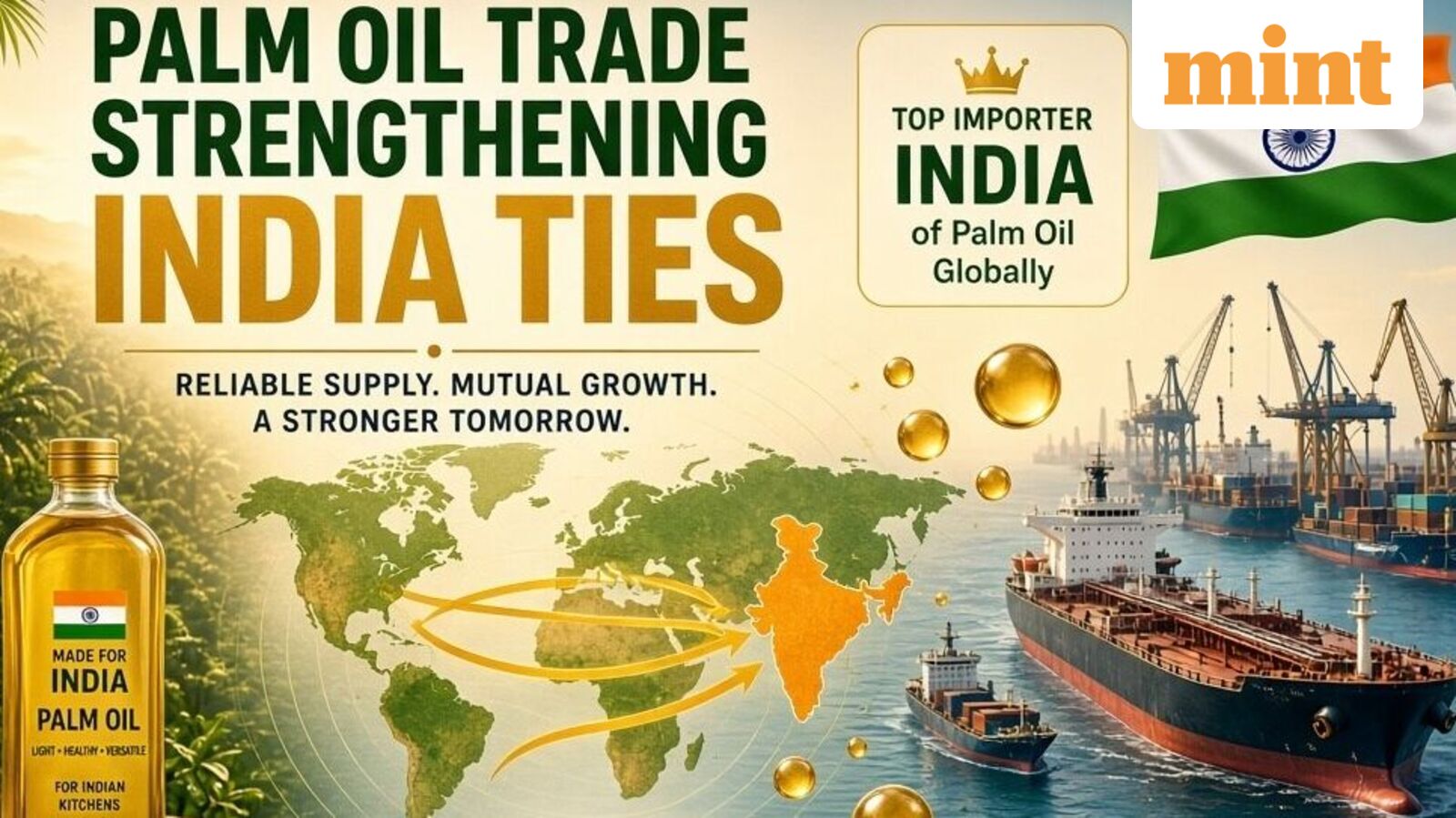
Palm oil‑producing nations are looking to deepen their relationships with India, the world’s largest importer of vegetable oils, as the country’s market continues to expand. The focus on India was evident at the 29th GLOBOIL India conference, held in Mumbai from September 29 to October 1. The three‑day event gathered producers, exporters, importers, refiners, traders and policymakers from major edible‑oil markets. Its theme, “At The Inflection Point: Energy, Sustainability & India’s Demand Future,” underscored the shifting dynamics of India’s edible‑oil market and the growing importance of palm‑oil producers for India’s supply security.
India’s vast consumption of edible oil makes it a critical destination for palm‑oil producers. “India buys more edible oil than any country in the world, and every decision made in Kuala Lumpur, Jakarta, Buenos Aires or the Black Sea ends up in an Indian kitchen,” said Aadil Singh, Director of Tefla, which organized GLOBOIL India. For producers such as Indonesia and Malaysia, India represents a large and strategically important market, and changes in Indian consumption, import requirements and demand for different oils can directly affect global trade flows.
The Malaysia‑India relationship was a particular focus. Malaysia’s Minister of Plantation and Commodities, Yang Berhormat Datuk Seri Dr. Noraini binti Ahmad, addressed the inaugural session, emphasizing the importance of the bilateral edible‑oil relationship. The industry keynote was delivered by Izzana Salleh, Secretary General of the Council of Palm Oil Producing Countries (CPOPC), and producer‑country perspectives from Indonesia, Malaysia, Russia and other regions were featured throughout the conference.
While palm oil remains a key component of India’s edible‑oil basket, the discussions also highlighted a broader approach to securing supplies. India imports and consumes multiple vegetable oils, including palm, soybean and sunflower oil. Trade awards at GLOBOIL recognized companies supplying all three varieties to India. AWL Agri Business received the Diamond award for the highest importer of palm oil and also for soybean oil. Patanjali Foods earned Gold for palm oil imports, while Gemini Edibles & Fats India received the Diamond award for sunflower oil imports. This diversification gives India exposure to multiple global supply sources rather than relying exclusively on one oil or region.
Another driver for producers to engage with India is the changing use of vegetable oils. Palm oil is increasingly linked to food demand and biofuel policies. GLOBOIL discussions examined the growing pull of biofuel policies on vegetable‑oil supplies and the implications for global availability and prices. This creates potentially competing demand for palm oil, as the same global supply must serve food markets while also meeting energy requirements. For a major importer such as India, developments in biofuel policies in producing countries can therefore affect the availability and cost of edible oils.
India’s approach is increasingly focused on supply security, diversification and sustainability, rather than viewing edible‑oil imports solely through short‑term price lenses. The GLOBOIL discussions covered supply security, international price trends, commodity exchanges and risk management, alongside sustainability and traceability. India’s large and diversified importer and refiner base means companies source different oils from different international suppliers.
India’s edible‑oil industry is also looking beyond traditional trade relationships. GLOBOIL 2026 discussions included artificial intelligence, new processing technologies, commodity exchanges and risk management, indicating that technology is becoming part of the industry’s strategy for managing supply chains and changing demand.
For producing countries, deeper engagement with India involves more than simply selling palm oil. It increasingly means understanding India’s changing demand, sustainability expectations, supply‑security concerns and technology‑driven transformation of the edible‑oil sector.