World
Settlers Harvest Palestinian Olives, Sparking Violence and Cultural Loss
By Nida Ibrahim
In a video circulated by Israeli settler groups, two men can be seen striking an olive tree with long wooden sticks, laughing as they knock olives to the ground and claim the result is “Pure Olive Oil.” Palestinian activist Bashar Qaryouti explained that the men are Israeli settlers who have established an illegal outpost on private property in the village of Qaryut, north of Ramallah. The outpost is about 200 metres from Palestinian homes. One of the men in the video is Avichai Suissa, an Israeli settler sanctioned by the European Union, United Kingdom, and previously by the United States, who runs a farm on the outpost. Suissa’s campaign page states that the farm was dismantled by the Israeli army and that he seeks to rebuild it to prevent it from falling “into enemy hands.” He says the area is gradually being worked into the settlement.
The land belongs to residents of Qaryut, who have been unable to access it since the Gaza war began in October 2023. Qaryouti said that farmers tried to plough the land a few months ago, but the army stopped them. After complaints, the army declared the area a closed military zone, prompting settlers to seek other lands for olive theft.
The olive harvest season in October has become a source of fear and danger for Palestinians. Yesh Din, an Israeli rights group, documented 109 incidents of violence related to the harvest in 75 Palestinian communities between 27 September and 6 October, an average of 11 per day. On Wednesday, armed settlers on tractors raided lands between Ramin and Burqa, opening fire on farmers. Ali Bazzari, 44, was killed while attempting to pick olives. Witnesses say the Israeli army prevented ambulances from reaching the wounded.
Settlers are also attempting to adopt traditional olive‑harvest rituals while displacing Palestinians who have kept those traditions for generations. New farms in the West Bank share videos of olives being pressed and invite Israelis to “join in” the experience. Palestinians say the videos show a disregard for the land’s owners and an attempt to appropriate the season.
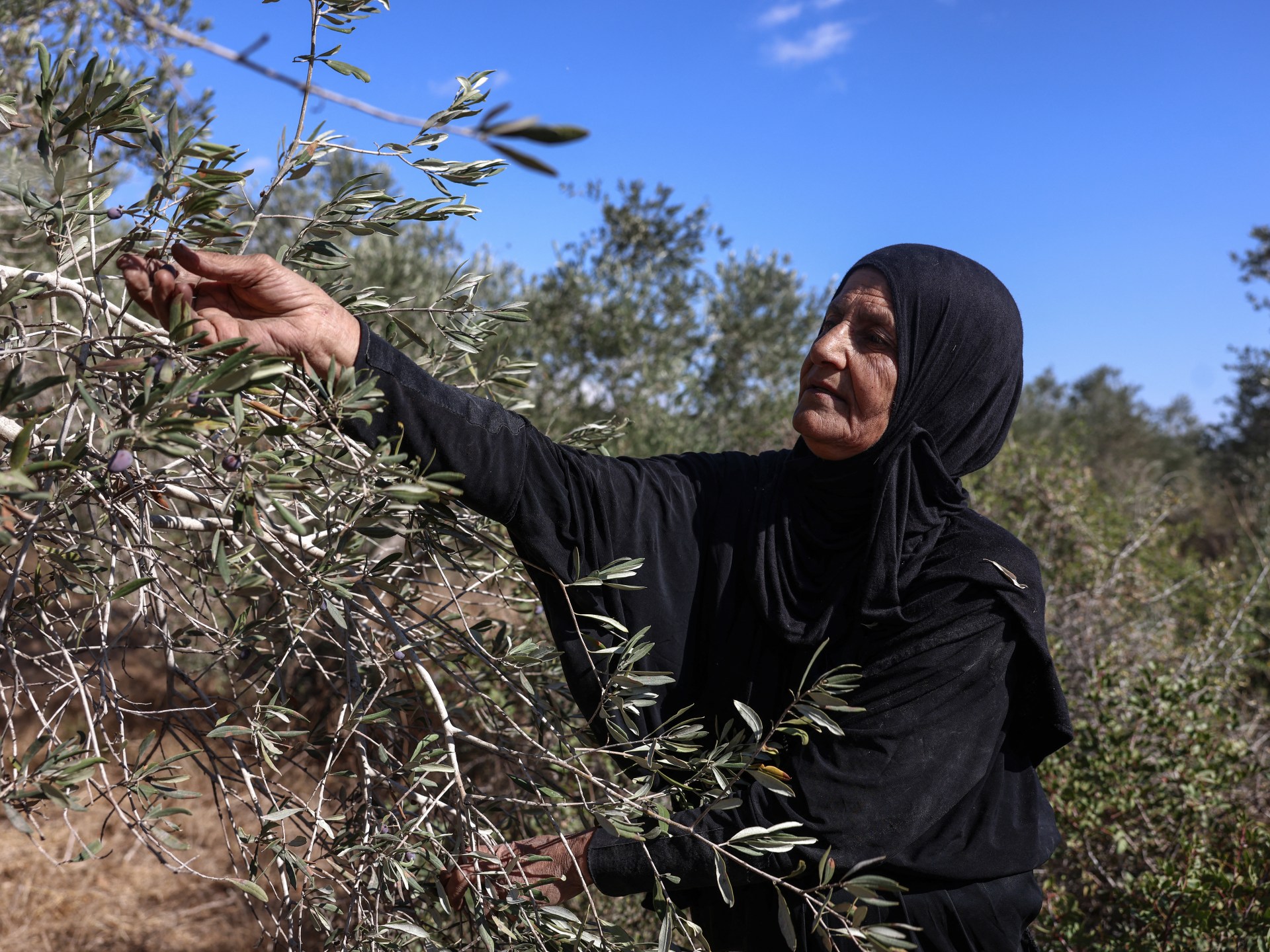
The olive harvest season is traditionally a time of collective picking, singing, shared meals, and family gatherings known as “ouneh.” It involves debates over quality and pricing and the passing of knowledge about best harvesting times and tree care. A well‑known Arabic saying, “They planted so that we can eat. We plant so they will eat,” reflects the continuity of this inheritance.
In late September, Israeli bulldozers ploughed through the lands of Hazem Sanaf, 61, in Beit Rima after he received a military order. The bulldozers destroyed and uprooted more than 400 trees belonging to Hazem and a neighbour, some decades old, and their only source of income. Hazem said, “They just want to take our olive trees from us.” Several other Israeli military orders to uproot olive trees have been issued across the West Bank, some carried out, others pending. The Palestinian Colonization and Wall Resistance Commission (CRRC) reports that Israeli settlers and soldiers have destroyed approximately 50,000 trees this year alone.
Fuad Daraghmeh from al‑Lubban Asharqiya, near Ramallah, carried a broken stem of a tree he had tended for 30 years. He did not say what he would do with it, but others said they had managed to revive trees that had been uprooted before. Many Palestinians sit by bulldozed trees with small hand tools, picking the last fruit of what they believe is their last crop. One unnamed Palestinian activist, speaking for security reasons, remarked that the method used by Suissa—vigorously beating the tree—is not a proper way to treat or harvest olives, a view shared by those who have tended the land for decades.
Frequently asked questions
What did Yesh Din report about olive harvest violence?
Yesh Din documented 109 incidents of violence related to the harvest in 75 Palestinian communities between 27 September and 6 October, averaging 11 per day.
Who is Avichai Suissa?
Avichai Suissa is an Israeli settler sanctioned by the EU, UK, and previously the US, who runs a farm on the illegal outpost in Qaryut and claims the farm was dismantled by the Israeli army.