India
India Urges Social Media Platforms to Scrutinize Misleading Content Amid Public Unrest
By Shouvik Das
India’s Ministry of Electronics and Information Technology (Meity) has issued an advisory urging social media platforms to exercise "enhanced diligence" when handling content that is false, altered, or shared without proper context. The advisory, released on Thursday, warns that such posts can mislead people, create confusion, and contribute to law‑and‑order concerns. It specifically cites old photos and videos being recirculated as current events, AI‑generated content, impersonation of public officials, and material that could incite violence.
The ministry said: "Certain information, including false, misleading, manipulated or out‑of‑context content, is being circulated through various social media platforms in relation to ongoing public events and developments. Such content, particularly when presented as current or authentic information, has the potential to cause public confusion, create apprehension, disturb public order and social tranquillity, and contribute to law‑and‑order concerns."
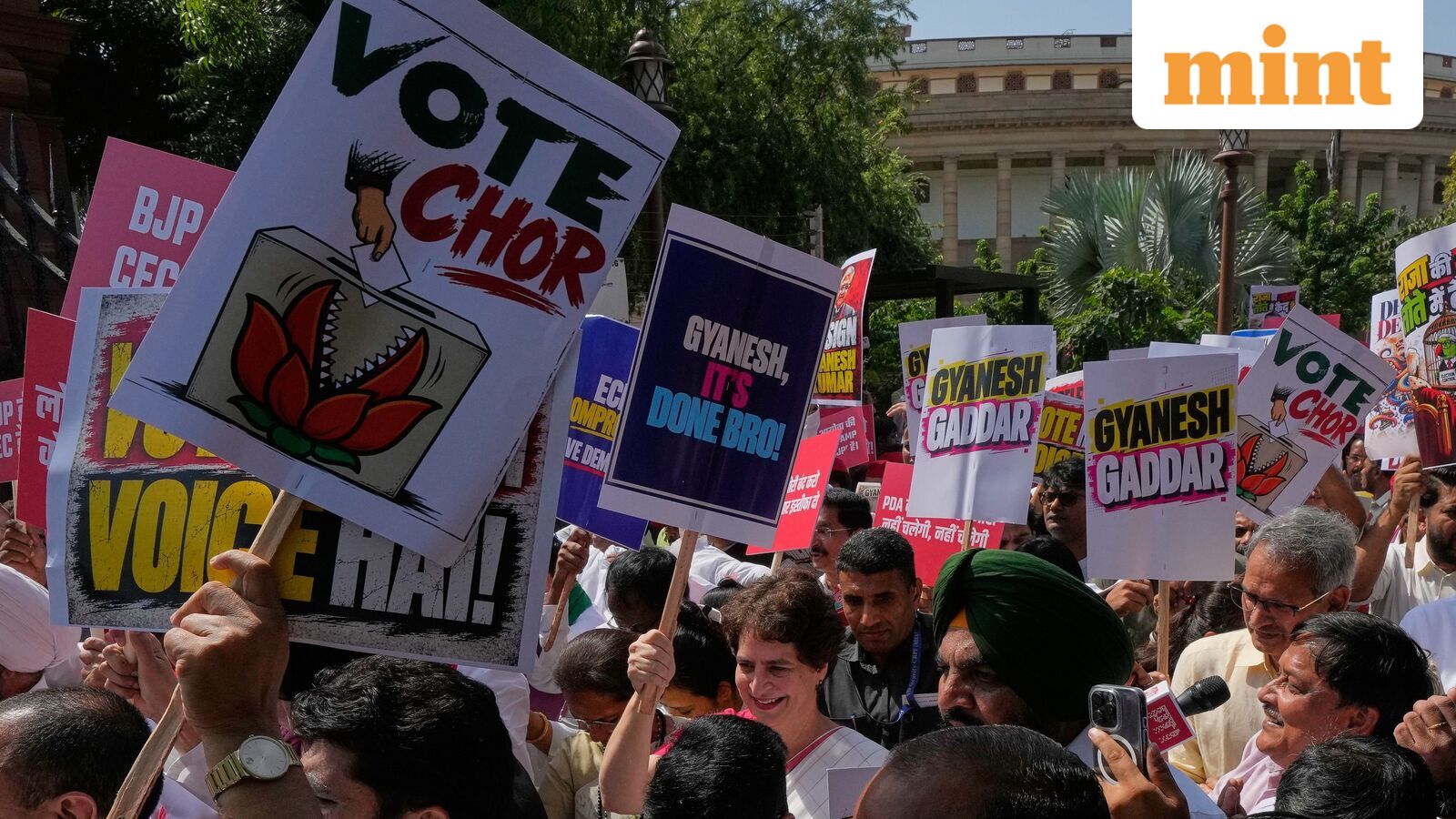
Meity did not disclose what prompted the advisory. The move comes amid protests in New Delhi demanding the resignation of Chief Election Commissioner Gyanesh Kumar and about two months after a dispute between the government and Meta over the temporary removal of a video featuring Prime Minister Narendra Modi.
Legal experts note that the advisory does not create new obligations; it reiterates existing requirements under India’s IT Act, 2000, the Intermediary Rules, 2021, and related amendments. An official familiar with the matter told Mint that the advisory "is in continuation of India’s efforts to crack down on the state of compliance with India’s IT Act, 2000, the Intermediary Rules, 2021, and all other amendments."
The advisory follows Meity’s March 30 publication of draft amendments to the Intermediary Rules, 2021, which would treat any ministry advisory as compulsory for compliance. Those amendments have not yet been notified, so the Thursday advisory remains a statutory caution rather than a binding law.
The advisory arrives after a standoff between Meta Platforms and New Delhi in early August, when a video by Prime Minister Modi was removed by Facebook for four hours at the end of July, prompting calls for an apology from Meta chief Mark Zuckerberg. The incident led to an India visit by Meta’s global affairs chief Joel Kaplan and a series of notices issued to Meta by Meity on child sexual abuse material.
Policy consultant Dhruv Garg said the advisory "is a broad reiteration of what already exists in Intermediary Guidelines, 2021 and its amendments," adding that the core law governing compliance remains the IT Act, 2000.
The advisory does not mention the protests demanding Gyanesh Kumar’s resignation, but it was issued amid widespread public demonstrations in the capital.
Frequently asked questions
What does the Meity advisory ask social media platforms to do?
It urges platforms to exercise enhanced diligence when handling false, altered, or out‑of‑context content that could mislead people or disturb public order.
Does the advisory create new legal obligations for platforms?
No, it reiterates existing requirements under the IT Act 2000 and Intermediary Rules 2021 and is not a binding law because the draft amendments are not yet notified.
Why was the advisory issued?
It was issued amid protests demanding the resignation of Chief Election Commissioner Gyanesh Kumar and after a dispute between the government and Meta over a removed video of Prime Minister Narendra Modi.